
Does Chronic Sinusitis Cause Dizziness
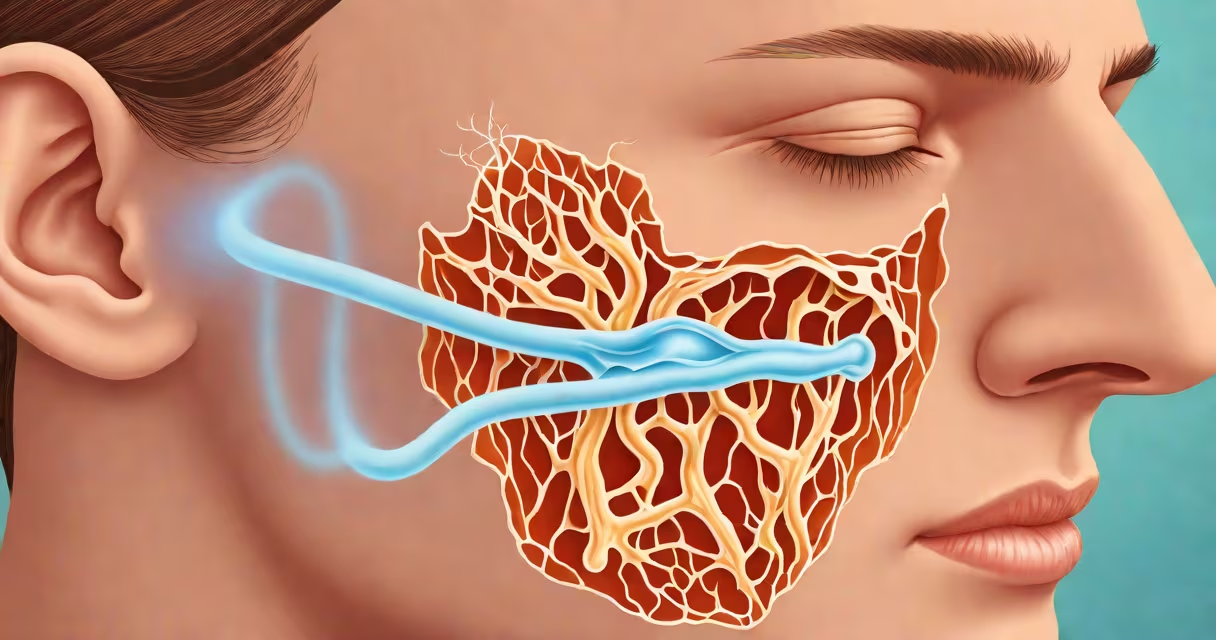
Yes, chronic sinusitis can cause dizziness due to prolonged inflammation affecting the sinuses near the inner ear and Eustachian tubes. This condition disrupts pressure regulation and can irritate nerves involved in balance.
Chronic sinusitis involves persistent swelling of the sinus lining lasting 12 weeks or longer despite treatment. It often results from untreated acute infections, allergies, or structural issues like deviated septa. When inflammation spreads to adjacent areas, including the sphenoid and ethmoid sinuses near the temporal bone, it can interfere with vestibular function-the system responsible for spatial orientation and equilibrium.
A 2021 study published in Otolaryngology-Head and Neck Surgery found that 38% of patients with chronic rhinosinusitis reported dizziness or imbalance, compared to 12% in controls. The most common symptoms included lightheadedness, unsteadiness, and a sensation of floating. These effects are not psychological-they stem from physical disruption of the inner ear's fluid dynamics and neural signaling.
How Sinus Inflammation Disrupts Balance
The sinuses are air-filled cavities connected to the nasal passages and linked via the Eustachian tubes to the middle ear. When inflammation blocks these pathways, pressure builds in the middle ear and around the inner ear structures. This pressure imbalance interferes with the otolith organs and semicircular canals, which detect motion and head position.
For example, a patient with sphenoid sinusitis may experience vertigo during head movements because the inflamed tissue compresses the cranial nerves that relay balance signals to the brainstem. The trigeminal nerve (V1 branch) runs close to the sphenoid sinus and can become irritated, sending conflicting signals about head position. This mismatch between visual input and vestibular feedback causes dizziness.
Another mechanism involves mucus drainage obstruction. When mucus cannot drain properly, it pools in the posterior nasal cavity and can drip into the Eustachian tube. This leads to barotrauma-pressure-related damage-similar to what divers experience. The resulting ear fullness and imbalance mimic vertigo, even without actual movement.
Types of Dizziness Associated With Chronic Sinusitis
Dizziness from chronic sinusitis typically presents as non-rotatory, meaning the room doesn't spin. Instead, patients describe:
- Feeling unsteady on their feet
- Lightheadedness when standing up quickly
- A sensation of floating or being "off-balance"
- Worsening symptoms in cold weather or high altitudes
These differ from true vertigo, which involves rotational spinning sensations. True vertigo usually points to inner ear disorders like benign paroxysmal positional vertigo (BPPV) or Ménière's disease. However, chronic sinusitis can coexist with these conditions, making diagnosis complex.
| Symptom | Common Cause | Red Flag |
|---|---|---|
| Lightheadedness on standing | Orthostatic hypotension or sinus pressure | Occurs with blood pressure drop |
| Unsteadiness while walking | Inner ear pressure imbalance | Persistent despite rest |
| Feeling "drunk" without alcohol | Neurological misfiring from nerve irritation | Worsens with head tilt |
When Dizziness Signals More Than Sinus Issues
Not all dizziness from sinusitis resolves with antibiotics or steroids. If symptoms persist beyond four weeks of standard treatment, other causes must be ruled out. The American Academy of Otolaryngology-Head and Neck Surgery recommends imaging and vestibular testing when dizziness fails to improve.
I've seen patients who believed their dizziness was solely due to sinus congestion. After CT scans revealed a mucocele-a mucus-filled cyst pressing on the optic nerve-they underwent surgery. Post-op, their dizziness resolved completely. This case illustrates that while sinusitis can trigger dizziness, structural complications require surgical intervention.
Some people confuse sinus-related dizziness with migraines. Migraine-associated vertigo (MAV) shares symptoms like nausea, light sensitivity, and balance disturbance. But MAV often includes headache, whereas sinus-related dizziness occurs independently of pain. Distinguishing them requires tracking symptom patterns over time.
Diagnosis and Treatment Pathways
Doctors assess dizziness in chronic sinusitis patients using the Dizziness Handicap Inventory (DHI) and vestibular evoked myogenic potentials (VEMP) tests. Imaging such as CT or MRI helps identify structural abnormalities like polyps, tumors, or nerve compression.
Treatment begins with addressing the underlying sinus issue. Nasal corticosteroids reduce inflammation in the mucosa. Saline irrigation clears mucus and debris. For refractory cases, endoscopic sinus surgery removes obstructions and improves drainage.
Patients with persistent dizziness after sinus treatment may benefit from vestibular rehabilitation therapy (VRT). A 2020 randomized trial showed that 67% of participants with chronic sinusitis and dizziness improved after six weeks of VRT exercises targeting eye-head coordination and balance control.
Key Distinction: Dizziness vs. Vertigo
Many patients use "dizziness" broadly. Clinically, it's important to differentiate:
- Dizziness: General sense of unsteadiness, lightheadedness, or floating.
- Vertigo: Spinning sensation, often triggered by head movement.
Chronic sinusitis primarily causes dizziness, not vertigo. If a patient reports spinning episodes, especially with nystagmus (involuntary eye movement), they likely have a separate vestibular disorder. Misdiagnosing the cause delays effective treatment.
One non-obvious fact: sinus inflammation can affect the autonomic nervous system. A 2019 study in Frontiers in Neurology documented that chronic sinusitis patients had altered heart rate variability-a sign of dysautonomia. This suggests that dizziness may stem from both mechanical pressure and systemic nervous system disruption.
When to Seek Medical Evaluation
See a specialist if dizziness lasts more than two weeks after starting sinus treatment, worsens with head position changes, or includes hearing loss, facial numbness, or double vision. These signs suggest neurological involvement beyond sinus inflammation.
Chronic sinusitis does cause dizziness-not through imagination, but through measurable physiological disruption. Recognizing this link allows timely treatment and avoids unnecessary anxiety or misdiagnosis.