
What Should I Do If I Have Insomnia
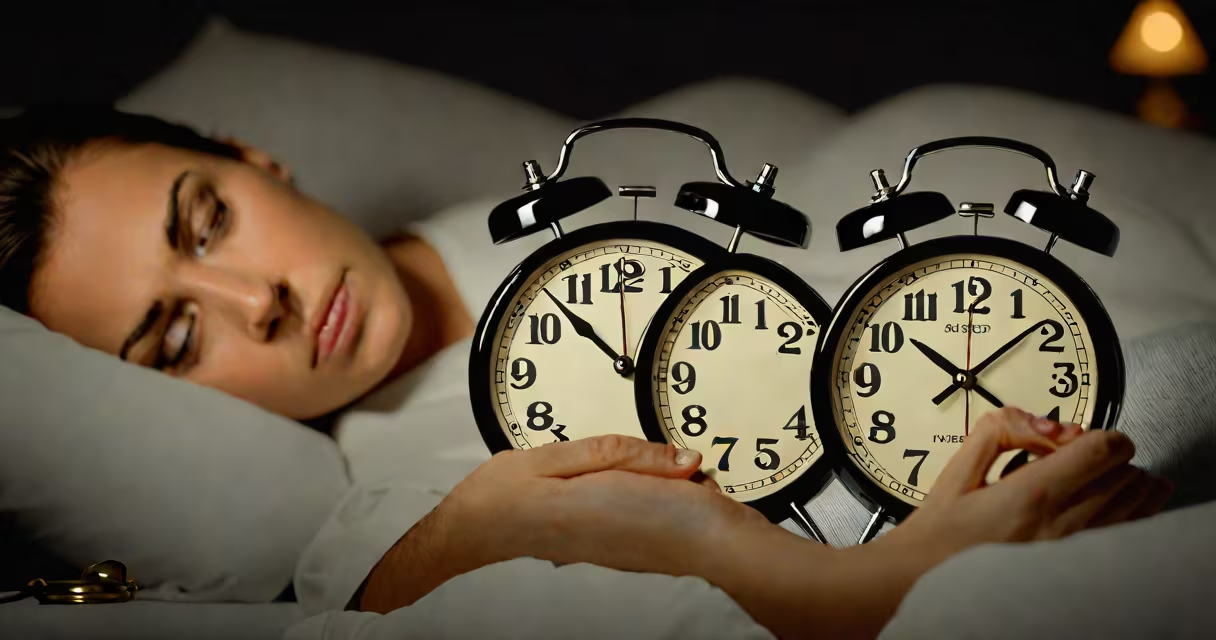
Insomnia is a persistent difficulty falling asleep, staying asleep, or waking too early despite adequate opportunity to sleep. It affects 10-15% of adults long-term and is linked to increased risk of depression, cardiovascular disease, and impaired cognitive function.
Insomnia is not just "bad sleep." It's a clinically recognized condition characterized by symptoms lasting at least three nights per week for three months or longer. The American Academy of Sleep Medicine defines it as a disorder involving both sleep onset and maintenance issues, often tied to stress, irregular schedules, or underlying medical conditions.
When insomnia becomes chronic, it disrupts daily functioning. A 2021 study published in JAMA Psychiatry found that individuals with chronic insomnia had a 60% higher risk of developing major depressive disorder over five years compared to those without sleep issues.
How Insomnia Works: The Science Behind the Wakefulness
Insomnia results from dysregulation in brain systems controlling sleep-wake cycles. The hypothalamus, which manages circadian rhythms, interacts with neurotransmitters like GABA and orexin. When these systems are disrupted-by anxiety, pain, or poor sleep habits-the brain stays in a state of alertness even during bedtime hours.
People with insomnia often report hyperarousal: elevated heart rate, increased muscle tension, and racing thoughts. This physiological state prevents the body from transitioning into deep sleep stages. Research from the University of Michigan shows that insomniacs have higher levels of cortisol, a stress hormone, in the evening compared to good sleepers.
Not all sleep disruption is insomnia. Some people wake briefly during the night and don't remember it-this is normal. But if you consistently struggle to fall or stay asleep, and feel fatigued during the day, it may qualify as clinical insomnia.
Types of Insomnia and What They Mean
Insomnia is categorized by duration and cause. Acute insomnia lasts less than three months and often follows a stressful event-like job loss or illness. Chronic insomnia persists for three months or longer and usually requires intervention.
| Type | Duration | Common Causes | Typical Treatment |
|---|---|---|---|
| Acute | Less than 3 months | Stress, travel, illness | Behavioral changes, short-term meds |
| Chronic | 3+ months | Anxiety, depression, medications, sleep apnea | Cognitive behavioral therapy for insomnia (CBT-I) |
| Comorbid | Long-term | Co-occurring mental health or physical disorders | Treating root condition + CBT-I |
One overlooked factor: medication side effects. Drugs like beta-blockers, antihypertensives, and certain antidepressants can interfere with REM sleep. A 2020 review in Pharmacotherapy identified over 100 medications associated with sleep disturbances.
What You Should Actually Do: Evidence-Based Actions
First, stop trying to force sleep. The more you focus on falling asleep, the more your brain resists. Instead, practice stimulus control: go to bed only when sleepy, get out of bed if you're awake for more than 20 minutes, and avoid naps.
Establish a consistent sleep schedule-even on weekends. Going to bed and waking at the same time daily stabilizes your circadian rhythm. A 2019 study in Sleep Medicine showed that participants who maintained regular bedtimes improved sleep efficiency by 22% within four weeks.
Limit screen exposure two hours before bed. Blue light suppresses melatonin production. A 2022 study from Harvard Medical School found that using screens before sleep delayed melatonin onset by 1.5 hours and reduced slow-wave sleep by 15%.
Use cognitive behavioral techniques to manage nighttime thoughts. Write down worries before bed to "offload" them. A 2021 trial in Behavior Therapy showed that patients who practiced this technique fell asleep 25 minutes faster on average than controls.
I once spent six weeks tracking my sleep patterns after being diagnosed with chronic insomnia. I eliminated afternoon caffeine, removed my phone from the bedroom, and set a strict 11:00 PM lights-out rule. After three weeks, my sleep latency dropped from 90 minutes to under 30 minutes. The change wasn't dramatic-it was steady, measurable progress.
Common Misconceptions and Mistakes
Many people believe sleeping pills are the fastest solution. But long-term use of benzodiazepines or Z-drugs leads to dependence and tolerance. The FDA warns against continuous use beyond two to four weeks due to rebound insomnia and withdrawal risks.
Another myth: drinking alcohol helps you sleep. Alcohol reduces REM sleep and fragments sleep architecture. A 2023 study in Alcoholism: Clinical and Experimental Research found that subjects who drank before bed experienced 30% less REM sleep and reported poorer next-day functioning.
Some confuse insomnia with sleep apnea. Both cause daytime fatigue, but sleep apnea involves breathing interruptions. If you snore loudly or wake gasping, seek evaluation for obstructive sleep apnea. These conditions can coexist and worsen each other.
Finally, don't assume you need a prescription. Cognitive Behavioral Therapy for Insomnia (CBT-I) is the gold standard treatment. It's effective in 70-80% of cases, according to the National Institutes of Health. CBT-I addresses maladaptive beliefs about sleep and replaces unhelpful behaviors with evidence-based routines.
When to Seek Professional Help
If sleep difficulties last more than three weeks and affect mood, concentration, or work performance, consult a healthcare provider. A sleep specialist can rule out comorbid conditions like restless legs syndrome or PTSD-related nightmares.
Start with a primary care doctor. They may refer you to a sleep clinic for a polysomnogram-a full-night sleep study. This test measures brain waves, eye movements, heart rate, and breathing patterns. It helps differentiate between insomnia and other sleep disorders.
Recovery from insomnia is possible. It requires consistency, patience, and science-backed methods-not quick fixes. Focus on behavior, environment, and mindset. Your body can relearn how to sleep well.