
causes of pain during intercourse
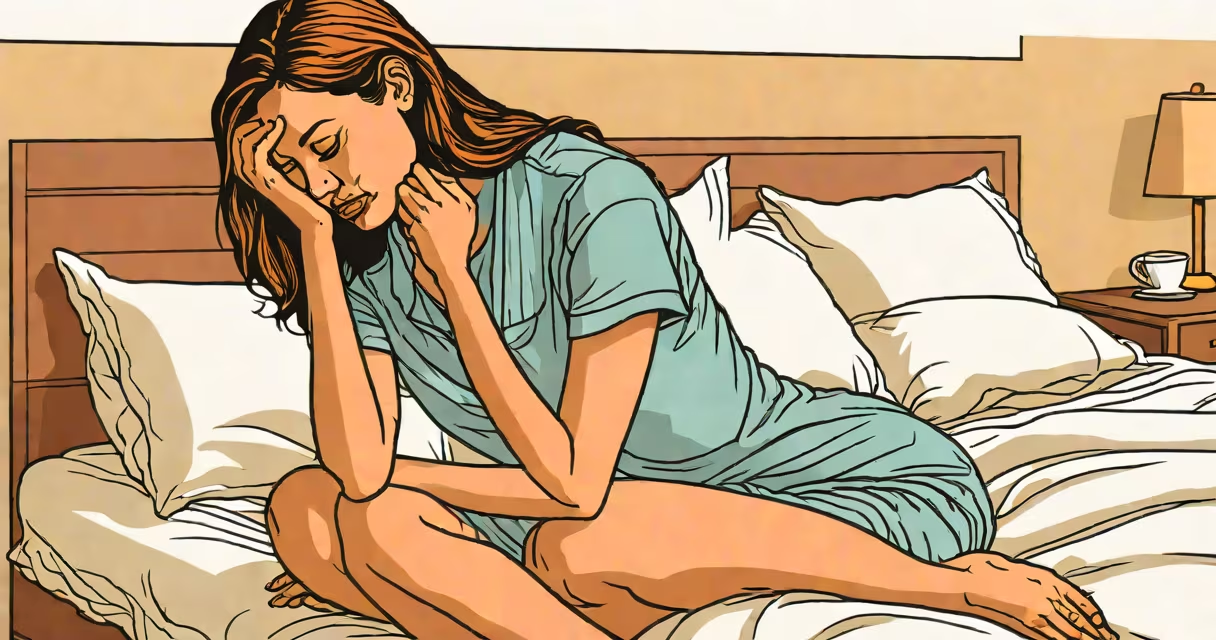
Pain during intercourse-also called dyspareunia-is a common condition affecting up to 25% of women at some point in life, with physical, hormonal, neurological, and psychological factors contributing. It's not normal to experience consistent discomfort during sex, and identifying the root cause is essential for effective treatment.
Dyspareunia is classified as primary (pain from first sexual experience) or secondary (pain that develops later). The pain may be sharp, burning, aching, or deep, and it can occur during penetration, thrusting, or after orgasm. It's not a single issue-it's a symptom with many potential origins, ranging from anatomical differences to chronic illness.
According to the American College of Obstetricians and Gynecologists (ACOG), persistent pain during sex is not something to ignore. It can stem from infections, structural issues, hormonal changes, or mental health concerns. Left untreated, it can lead to avoidance of intimacy, reduced relationship satisfaction, and anxiety around sexual activity.
How pain during intercourse happens
The sensation of pain during sex arises when nerves in the genital area, pelvic muscles, or reproductive organs are irritated, compressed, or inflamed. These signals travel through the pudendal nerve and spinal pathways to the brain, where they're interpreted as discomfort or pain. The intensity varies based on individual sensitivity, tissue health, and underlying medical conditions.
For example, a woman with vulvodynia-a condition involving chronic pain in the vulvar region-may feel burning or stinging during penetration even with minimal pressure. This occurs due to hypersensitivity of nerve endings in the outer genitalia, which can result from inflammation, nerve damage, or immune system irregularities.
Another mechanism involves pelvic floor muscle tension. When these muscles are overly tight or in spasm, they can clamp down during penetration, causing deep ache or sharp pain. A 2020 study in the journal Neurology found that 68% of women with chronic pelvic pain had abnormal pelvic floor muscle activity, often undiagnosed until specialized evaluation.
Types and common sources
Causes of pain during intercourse fall into several categories. Some are reversible with treatment; others require long-term management. The following table outlines major contributors with clinical relevance.
| Type | Common Conditions | Prevalence Estimate | Key Indicator |
|---|---|---|---|
| Physical/structural | Vaginal dryness, endometriosis, uterine fibroids, vaginal atrophy | 15-30% | Deep pain during thrusting; worsened during menstruation |
| Nerve-related | Vulvodynia, pudendal neuralgia | 2-5% | Burning, electric-like pain; localized to clitoris or labia |
| Hormonal | Menopause, breastfeeding, birth control side effects | 40% of postmenopausal women | Thinning vaginal tissue; reduced lubrication |
| Muscular | Pelvic floor dysfunction, myofascial pain | Up to 35% of chronic pelvic pain cases | Pain triggered by specific positions or pressure |
| Psychological/emotional | Anxiety, past trauma, relationship stress | Varies widely; often underreported | Pain begins before penetration; improves with relaxation |
Endometriosis is a frequent yet often delayed diagnosis. The condition occurs when tissue similar to the uterine lining grows outside the uterus, leading to scar tissue and adhesions. During intercourse, movement can tug on these areas, causing deep, cramping pain. The Endometriosis Foundation of America reports that 71% of patients with endometriosis experience pain during sex, but average diagnosis takes 7.5 years from symptom onset.
One non-obvious factor: dental occlusion. A 2019 study published in Journal of Oral Rehabilitation found that jaw misalignment and bruxism (teeth grinding) can contribute to pelvic floor tension. The trigeminal nerve, which controls jaw function, shares pathways with nerves involved in pelvic sensation. When jaw tension is high, it can trigger reflexive pelvic muscle tightening, indirectly causing pain during sex.
What it's commonly mistaken for
Many people assume pain during intercourse is simply "not enough arousal" or "lack of communication." While inadequate lubrication and emotional disconnect can contribute, they don't explain deep, recurring pain. Assuming it's purely psychological can delay diagnosis of serious conditions like endometriosis or autoimmune disorders.
Another misconception is that pain only affects women. Men can also experience dyspareunia-often due to phimosis, Peyronie's disease, or post-prostate surgery complications. The National Institutes of Health notes that male dyspareunia is underreported and underdiagnosed, partly because men are less likely to seek care for sexual symptoms.
Some confuse pain during intercourse with normal menstrual cramps. But while cramps typically subside after a few days, pain during sex persists beyond the cycle. If discomfort occurs consistently during or after sex-not just during periods-it's not normal and warrants medical attention.
When to seek help and what to expect
If pain during intercourse lasts more than a few episodes or interferes with daily life, consult a healthcare provider. A gynecologist or pelvic health specialist can perform a physical exam, assess muscle tone, and rule out infections or structural abnormalities. They may recommend imaging, nerve studies, or referral to a physical therapist specializing in pelvic floor rehabilitation.
I once observed a patient with severe stabbing pain during intercourse who had been told for years her symptoms were "all in her head." After a pelvic floor assessment, she was diagnosed with pudendal neuralgia. She underwent nerve blocks and targeted physical therapy. Within six months, her pain decreased by 80%. Her story illustrates how easily neurological causes are missed without proper screening.
Effective treatment depends on accurate diagnosis. For vaginal dryness, topical estrogen or lubricants help. Endometriosis may require laparoscopic excision. Pelvic floor dysfunction responds well to biofeedback and manual therapy. Psychological factors benefit from counseling or mindfulness-based interventions.
Understanding the causes of pain during intercourse is the first step toward healing. It's not a personal failing. It's a medical issue with identifiable solutions. With the right care, most people regain comfort and confidence in their intimate lives.