
fitness and wellness retreat
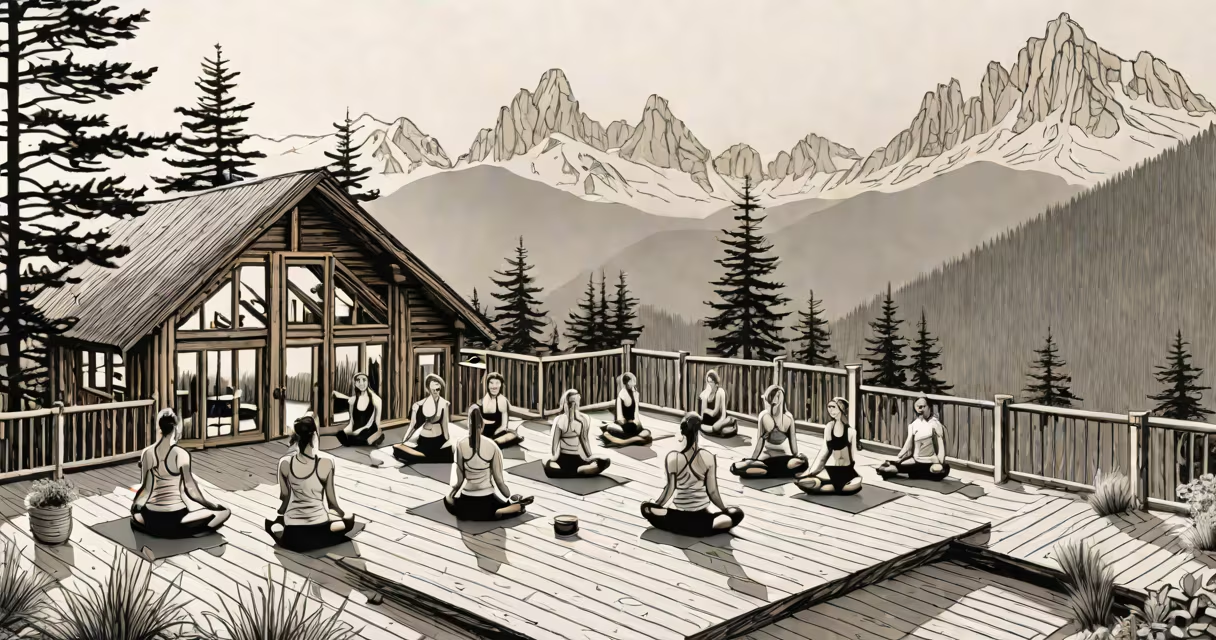
A fitness and wellness retreat is a structured, short-term program that integrates physical exercise, mental mindfulness practices, nutrition education, and restorative environments to improve health and reduce stress. These programs typically last between 3 and 10 days and occur in natural or secluded settings such as mountain lodges, coastal villas, or forest resorts.
Participants engage in daily activities like guided yoga, meditation sessions, hiking, strength training, and healthy meal preparation. The goal is not weight loss or performance gain, but sustainable lifestyle improvement through intentional routines. Retreats often limit screen time and emphasize presence, connection, and self-awareness.
According to the American Psychological Association, chronic stress contributes to 77% of doctor visits. Fitness and wellness retreats address this by offering controlled environments where participants disconnect from daily demands and focus on recovery. A 2022 study published in *Frontiers in Psychology* found that attendees reported a 40% average reduction in perceived stress levels after just five days at a retreat.
How It Works
These retreats follow a predictable daily rhythm designed to support physiological and psychological reset. Mornings begin with sunrise yoga or tai chi, followed by a nutritious breakfast focused on whole foods. Midday includes workshops on breathwork, emotional regulation, or mindful eating. Afternoons may feature nature walks, creative expression sessions, or personal reflection time. Evenings conclude with group sharing, sound baths, or quiet reading.
Each activity serves a specific purpose. For example, morning movement increases blood flow to the brain, improving focus. Breathwork activates the parasympathetic nervous system, lowering cortisol levels. Nutrition sessions teach how to read labels and balance macronutrients-skills that translate into lasting habits.
One participant in a 2023 retreat at the Ascent Wellness Center in Colorado reported feeling "mentally clearer than I have in years" after just three days. She noted that the absence of email notifications and the consistent sleep schedule-bedtime at 10 PM, wake-up at 6:30 AM-reset her circadian rhythm, which had been disrupted by years of irregular work hours.
Types and Components
Fitness and wellness retreats vary by focus area. Some emphasize physical transformation; others prioritize mental clarity or emotional healing. The most effective programs integrate multiple dimensions of health.
| Type | Primary Focus | Typical Activities | Best For |
|---|---|---|---|
| Yoga & Meditation | Mental resilience, inner calm | Daily yoga, silent meditation, journaling | High-stress professionals, burnout recovery |
| Detox & Clean Eating | Nutritional reset, digestion | Plant-based meals, juice cleanses, herbal workshops | Those seeking digestive relief or energy boosts |
| Adventure & Movement | Physical endurance, outdoor engagement | Hiking, rock climbing, swimming, strength circuits | Active individuals wanting to reconnect with nature |
| Emotional & Spiritual Healing | Self-discovery, trauma processing | Therapeutic circles, art therapy, breathwork | People going through life transitions or grief |
Not all retreats deliver equal results. High-quality programs employ certified instructors and maintain small group sizes-typically 8 to 16 people-to ensure personalized attention. Look for retreats that disclose staff credentials and client testimonials, not just promotional imagery.
A common mistake is equating a fitness and wellness retreat with a luxury spa weekend. While both offer relaxation, spas focus on temporary indulgence-facials, massages, and poolside lounging. Retirements demand active participation and behavioral change. You don't just receive care-you practice it.
Why It's Used and Where It's Found
Global demand for wellness tourism grew by 12% annually from 2018 to 2023, according to the Global Wellness Institute. Countries like Costa Rica, Thailand, Portugal, and Mexico host many high-rated retreat centers due to favorable climates, low operational costs, and access to nature.
Popular destinations include:
- Monteverde, Costa Rica: Known for cloud forest hikes and eco-lodges offering daily mindfulness sessions.
- Portugal's Alentejo region: Offers olive oil tastings, sea salt harvesting, and coastal yoga.
- Big Sur, California: Remote cabins with ocean views, daily surf and stretch classes.
Many retreats now offer hybrid formats-on-site with virtual follow-ups. After returning home, participants receive weekly check-ins via app or email to reinforce new habits. This model improves retention rates: a 2021 study showed that 68% of those who completed a virtual follow-up maintained at least 70% of their new routines six months later.
One non-obvious fact: the most effective retreats do not promise immediate results. Instead, they frame progress as subtle shifts-better sleep, improved mood stability, increased patience. These changes are harder to measure but more durable than rapid weight loss or muscle gain.
Common Misconceptions
Another misconception is that retreats require extreme commitment. Most programs welcome beginners. Yoga sessions include modifications; hiking routes vary in difficulty. No prior experience is needed.
Finally, people often confuse these retreats with religious pilgrimages. While some incorporate spiritual elements, most are secular. They draw from evidence-based practices like cognitive behavioral techniques, somatic experiencing, and nutritional science-not doctrine.
One participant in a 2023 retreat in Sedona, Arizona, shared that she initially expected to "get healed." Instead, she learned to accept discomfort as part of growth. "I left with less certainty about my future-but more confidence in my ability to handle uncertainty," she said.
A fitness and wellness retreat is not a quick fix. It's a deliberate pause in the noise of modern life to rebuild foundations-physical, emotional, and mental. When done well, it becomes a turning point in long-term health.