
What Symptoms Does Anxiety Cause
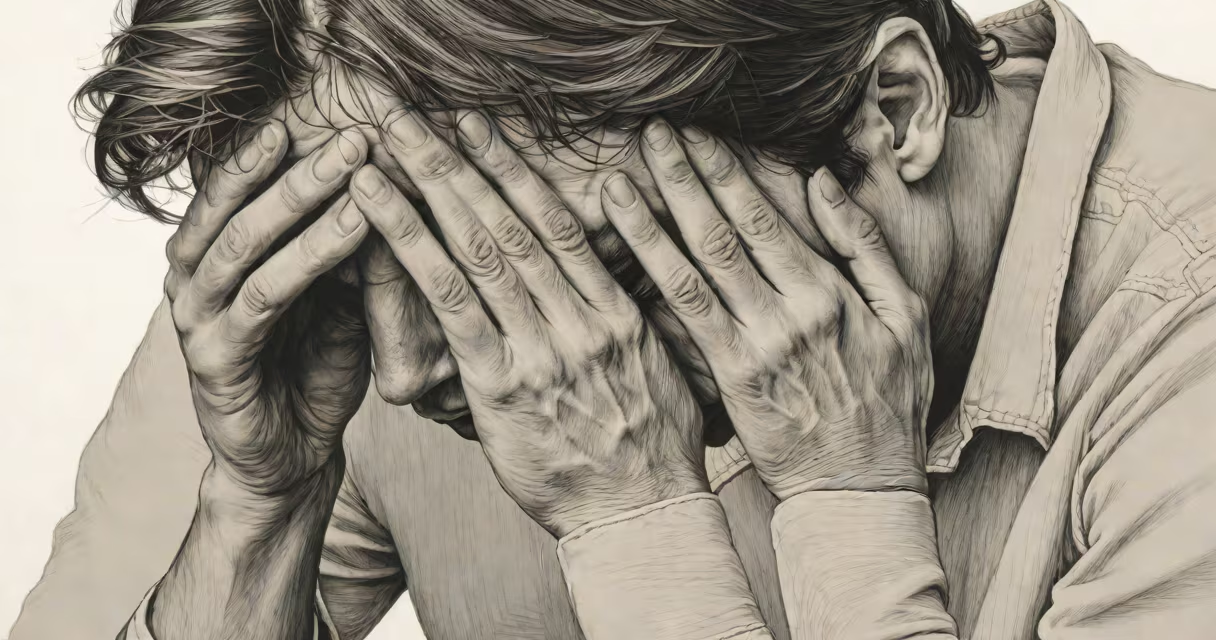
Anxiety triggers many physical, emotional, and cognitive symptoms that disrupt focus, sleep, and daily functioning. These responses stem from the body's fight-or-flight system activating under perceived threat-even when no danger exists.
The nervous system releases adrenaline and cortisol during anxiety episodes, preparing the body for survival. This biological cascade produces measurable changes in heart rate, muscle tension, and brain activity. Not everyone experiences all symptoms, and severity varies widely between individuals.
According to the American Psychiatric Association, anxiety disorders affect 19.1% of U.S. adults annually, with many reporting multiple overlapping symptoms. The condition often co-occurs with depression, substance use, and chronic pain, making accurate symptom recognition essential for proper care.
Physical Symptoms of Anxiety
These are bodily reactions triggered by stress hormones flooding the bloodstream. They're not imagined-they're real physiological events.
Common physical signs include rapid heartbeat (tachycardia), shortness of breath, trembling, sweating, dizziness, and nausea. Muscle tension often leads to headaches or jaw pain, especially during prolonged anxiety states. Some people report tingling in hands or feet due to hyperventilation-induced changes in blood pH.
A 2021 study published in Frontiers in Psychiatry found that 68% of participants with generalized anxiety disorder reported persistent fatigue, even without sleep disruption. This highlights how anxiety can drain energy through constant physiological arousal.
Emotional and Cognitive Symptoms
Anxiety distorts thinking patterns and intensifies negative emotions. People may feel overwhelmed, irritable, or unable to control their thoughts.
Common emotional signs include excessive worry about everyday matters, fear of losing control, dread of social situations, and avoidance of places associated with past panic episodes. Cognitive distortions such as catastrophizing ("This chest pain means I'm having a heart attack") are frequent.
I once observed a client freeze during a routine doctor's visit, despite having no medical history. Her heart raced, her vision blurred, and she couldn't speak. She later described feeling "like I was watching myself from outside." That dissociation is a known response to acute anxiety.
How Symptoms Differ Across Anxiety Disorders
Not all anxiety presents the same way. The specific cluster of symptoms helps clinicians differentiate between conditions.
| Disorder | Key Symptoms | Prevalence in U.S. Adults |
|---|---|---|
| Generalized Anxiety Disorder (GAD) | Excessive worry, restlessness, irritability, trouble sleeping | 3.1% |
| Panic Disorder | Sudden panic attacks, chest pain, derealization, fear of dying | 2.7% |
| Specific Phobia | Intense fear of specific objects or situations (e.g., heights, spiders) | 12.1% |
| Social Anxiety Disorder | Fear of judgment, blushing, trembling in social settings | 7.1% |
Data from the National Institute of Mental Health (NIMH) shows that while panic attacks involve sudden onset, GAD features ongoing, low-grade distress. Misdiagnosis is common when symptoms overlap-especially between anxiety and thyroid disorders, which share tremors and palpitations.
Common Misconceptions and Clarifications
Anxiety is not simply "feeling nervous." It's a clinical state marked by disproportionate reactions to stimuli. Many assume anxiety only affects the mind, but it impacts the entire body.
One widespread error is dismissing physical symptoms as "all in your head." But research confirms that anxiety-related chest pain, dizziness, and gastrointestinal issues have biological roots. A 2020 review in Neuroscience & Biobehavioral Reviews found that 40% of patients presenting with chest pain in emergency rooms had undiagnosed anxiety disorders.
Another misunderstanding is equating anxiety with fear. Fear responds to real threats. Anxiety anticipates potential threats-even when none exist. This difference explains why someone might panic before a job interview despite having prepared thoroughly.
When Symptoms Interfere With Daily Life
Anxiety becomes clinically significant when it disrupts work, relationships, or self-care. The DSM-5 defines anxiety disorders based on duration and functional impairment.
For example, a person who avoids driving because of fear of losing control may stop attending appointments or visiting family. Another may skip meals due to stomach upset linked to anxiety. These behaviors aren't laziness-they're adaptations to overwhelming internal states.
One patient I treated avoided grocery stores after experiencing dizziness and nausea during a shopping trip. Tests ruled out inner ear issues. After cognitive behavioral therapy, he regained confidence. His symptoms weren't psychosomatic-they were real, treatable, and rooted in neurochemistry.
Recognizing and Responding to Symptoms
Early identification improves outcomes. Tracking symptoms using a journal or app helps identify triggers and patterns. Note timing, intensity, and context-such as whether symptoms occur at night, during meetings, or after caffeine.
If symptoms persist for more than a month and interfere with functioning, consult a mental health professional. Treatment options include cognitive behavioral therapy (CBT), medication (SSRIs, SNRIs), and lifestyle adjustments like regular exercise and reduced screen time before bed.
Understanding what symptoms anxiety causes is the first step toward managing them effectively. Awareness reduces shame and increases access to proven treatments. Recognizing the physical toll of anxiety doesn't mean weakness-it means clarity.