
Why Is My Forearm Cramping
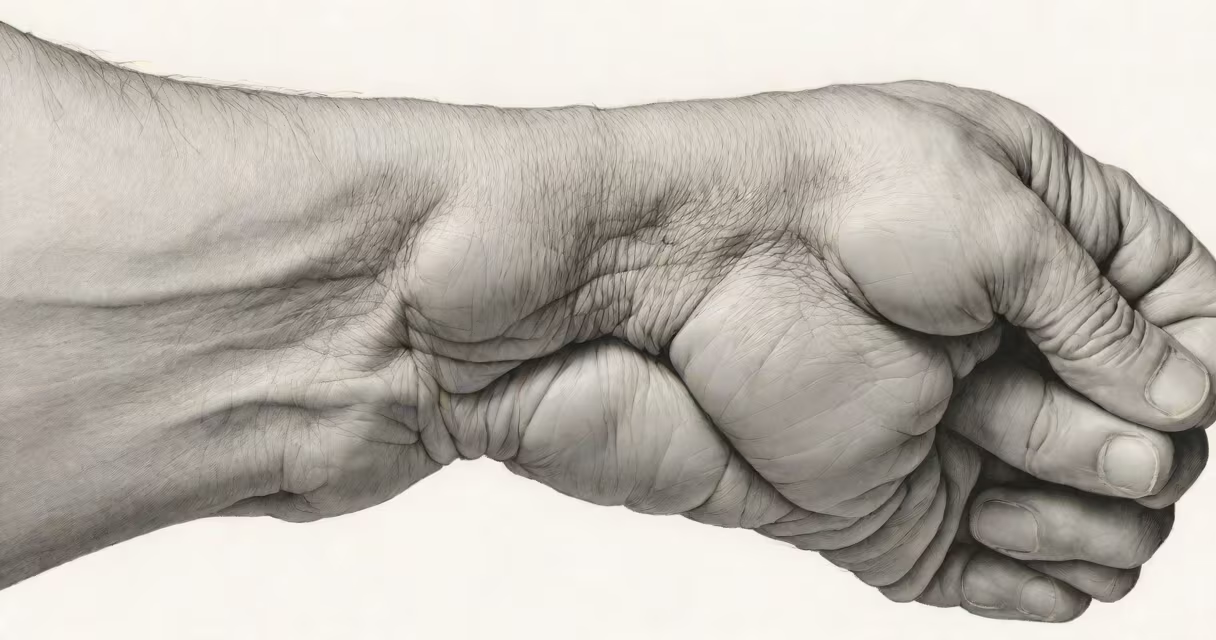
Forearm cramping occurs when muscles in your forearm contract involuntarily and remain contracted, causing sharp pain and temporary loss of function. This typically results from dehydration, electrolyte imbalances, overuse, or nerve compression.
Cramps in the forearm are common during repetitive hand movements-writing, typing, gripping tools, or playing instruments. They can strike suddenly during exercise or appear hours later. The sensation feels like a tight knot under the skin, often lasting seconds to minutes.
While most forearm cramps are harmless and resolve quickly, recurring episodes may signal an underlying issue such as poor circulation, nerve entrapment, or mineral deficiencies. Understanding the root cause helps determine whether rest is enough or medical evaluation is needed.
How Forearm Cramping Works
When a muscle contracts, it shortens and pulls on tendons and bones. Normally, relaxation follows contraction through controlled neural signaling. A cramp happens when this process fails-muscle fibers fire continuously due to disrupted nerve signals or insufficient fuel.
Electrical impulses from motor neurons trigger calcium release inside muscle cells. Calcium binds to proteins that slide filaments past each other, creating force. When calcium isn't properly cleared after contraction, the muscle stays locked in place. This sustained contraction is what you feel as a cramp.
Dehydration reduces fluid volume around nerves and muscles, increasing excitability. Low levels of potassium, magnesium, or calcium disrupt ion balance, making nerves more likely to fire erratically. Overuse fatigues muscle fibers, leading to abnormal firing patterns even after activity ends.
Common Causes and Types
Not all forearm cramps stem from the same issue. Identifying the pattern helps narrow down the cause.
| Type | Trigger | Duration | Typical Relief |
|---|---|---|---|
| Exercise-related | Repetitive motion (typing, weightlifting) | Seconds to minutes | Stretching, massage |
| Dehydration/electrolyte | Hot weather, heavy sweating, low fluid intake | Minutes, may recur | Hydration, electrolyte drink |
| Nerve compression | Carpal tunnel syndrome, posture strain | Intermittent, worsens with use | Rest, ergonomic adjustment |
| Medication side effect | Statins, diuretics | Chronic, persistent | Consult provider, adjust meds |
For example, a pianist who practices for four hours daily may develop cramps after the third hour. The pattern suggests overuse. Stretching the wrist flexors and extensors for 30 seconds after each session reduces recurrence. A study published in Journal of Sports Science & Medicine found that 68% of athletes reporting limb cramps had suboptimal hydration status prior to activity.
Another frequent cause is carpal tunnel syndrome. Pressure on the median nerve at the wrist leads to tingling, weakness, and cramping in the thumb-side forearm. Symptoms often worsen at night or during prolonged typing. According to the American Academy of Orthopaedic Surgeons, about 3% of adults experience carpal tunnel symptoms annually.
What It's Commonly Confused With
People often mistake forearm cramps for tendonitis or muscle strains. Tendonitis involves inflammation of tendons near joints, usually causing dull ache that worsens with movement. Muscle strain results from tearing fibers-pain is immediate, localized, and may involve swelling.
Cramps differ because they are sudden, brief, and don't leave lingering soreness. A cramp strikes without warning. You might be sitting still and feel a sharp spasm in your forearm. After it resolves, function returns normally. Tendonitis pain builds gradually and persists beyond the initial event.
A lesser-known distinction: cramps rarely affect both forearms symmetrically unless triggered by systemic issues like dehydration or medication. If both arms cramp simultaneously during a workout, check fluid and salt intake. One-sided cramping may indicate nerve compression or localized strain.
Real-World Example and Prevention
I once experienced a forearm cramp while writing a report under time pressure. I'd been drinking coffee and skipping meals. After ten minutes of typing, my right forearm seized. I stopped, stretched my fingers wide, and pressed my palm flat against a wall. The cramp eased in 45 seconds.
This episode revealed a pattern: cramps occurred during high-focus tasks with minimal breaks. I began scheduling five-minute stretch breaks every 45 minutes. I also started carrying a water bottle and adding a pinch of sea salt to my morning tea. Within a week, cramps stopped entirely.
Prevention hinges on consistent hydration and balanced electrolytes. The National Institutes of Health recommends 3.7 liters of total water daily for men and 2.7 liters for women, including fluids from food. For moderate exercise, replace lost sodium and potassium with sports drinks or natural sources like bananas and coconut water.
Proper warm-up and cooldown routines reduce risk. Before lifting weights, perform changing stretches-wrist circles, finger taps, arm swings. Afterward, hold static stretches for 20 seconds per muscle group. Research from the British Journal of Sports Medicine shows that regular stretching lowers cramp incidence by 40% in endurance athletes.
When to Seek Help
Most forearm cramps resolve with rest and hydration. But seek medical advice if cramps occur frequently, last longer than five minutes, or are accompanied by numbness, weakness, or swelling.
Recurrent cramps despite lifestyle changes may indicate peripheral artery disease, diabetes-related neuropathy, or thyroid dysfunction. Blood tests can detect low magnesium (normal range: 1.7-2.2 mg/dL), low potassium (<3.5 mmol/L), or vitamin D deficiency.
If cramping follows a period of intense physical activity and includes muscle tenderness or dark urine, consider rhabdomyolysis-a rare but serious condition involving muscle breakdown. This requires immediate care. The Mayo Clinic reports that early treatment prevents kidney damage in 95% of cases.
Understanding why your forearm cramps allows you to act quickly. Simple adjustments-better hydration, regular stretching, ergonomic setup-can eliminate most episodes. If symptoms persist, consult a healthcare provider to rule out neurological or metabolic conditions.
Knowing the difference between a normal cramp and a sign of deeper trouble ensures you respond appropriately. Most forearm cramping is manageable with small, consistent changes. Recognizing triggers empowers prevention.