
What Year Did the iPhone XS Come Out
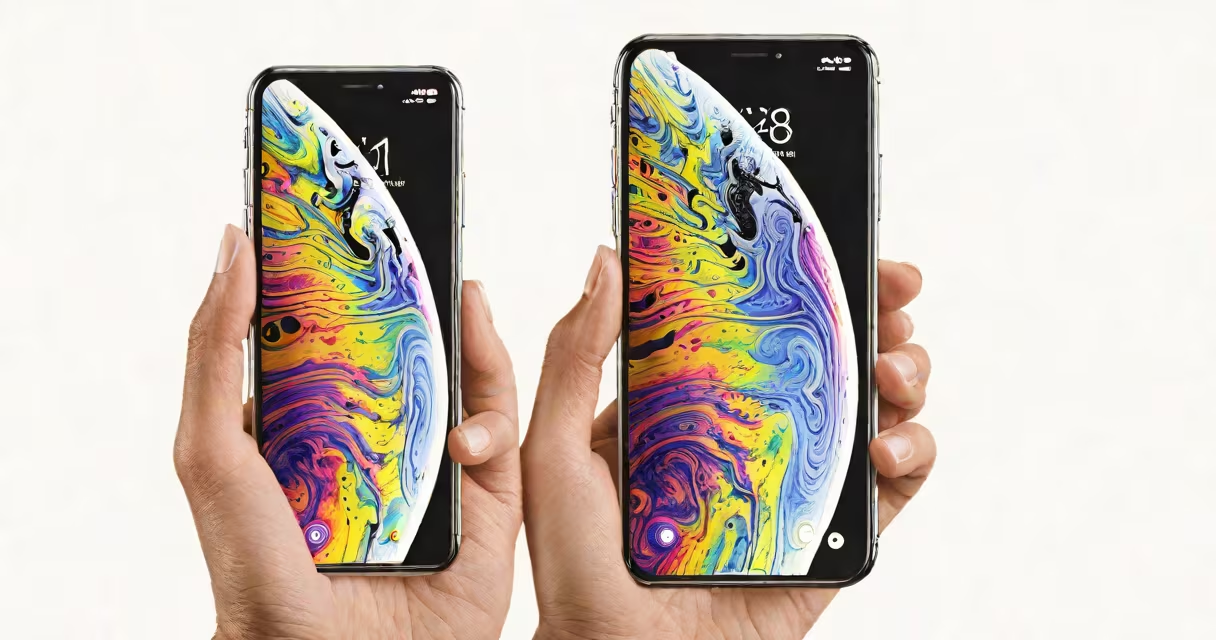
The iPhone XS was released in September 2018. It launched globally on September 20, 2018, alongside the iPhone XR and iPhone XS Max. Apple introduced the XS as part of its 11th-generation iPhone lineup, marking the first major redesign since the iPhone 7 series.
Apple announced the iPhone XS during a special event on September 12, 2018, held at Apple Park in Cupertino, California. The device became available for pre-order on September 14, 2018, and shipped to customers beginning September 20. It replaced the iPhone X as Apple's flagship model and was succeeded by the iPhone 11 series in September 2019.
Model numbers for the iPhone XS include A1920 (for the 64GB version), A1921 (128GB), and A1922 (256GB). These identifiers appear on the back of the device near the serial number and are used by Apple Support and repair centers to verify hardware details.
How the iPhone XS Works
The iPhone XS runs iOS 12 at launch and supports up to iOS 16. Its core functionality relies on the A12 Bionic chip, a 64-bit system-on-a-chip with a six-core CPU and four-core GPU. This processor enables high-performance tasks such as augmented reality applications, real-time photo editing, and complex machine learning operations.
Face ID authentication uses a TrueDepth camera system with a dot projector, infrared camera, and flood illuminator. The system projects over 30,000 invisible dots onto the face to create a detailed depth map. This allows secure unlocking even in low-light conditions and supports Animoji and Memoji features.
Storage options were 64GB, 128GB, and 256GB. All models feature dual SIM support in select markets, including eSIM and physical nano-SIM slots. The device includes IP68 water and dust resistance, rated for up to 6 meters of submersion for 30 minutes.
Key Features and Variants
The iPhone XS came in three color variants: Space Gray, Silver, and Gold. Each color was available across all storage configurations. The display is a 5.8-inch Super Retina OLED screen with a resolution of 2688 x 1242 pixels and a pixel density of 458 ppi.
| Model | Storage | Color Options | Release Price (USD) |
|---|---|---|---|
| iPhone XS | 64GB | Space Gray, Silver, Gold | $999 |
| iPhone XS | 128GB | Space Gray, Silver, Gold | $1,099 |
| iPhone XS | 256GB | Space Gray, Silver, Gold | $1,199 |
Apple designed the iPhone XS with a stainless steel frame and glass back. The rear camera system includes two 12MP sensors: a wide-angle lens (f/1.8 aperture) and a telephoto lens (f/2.4 aperture). The telephoto lens offers 2x optical zoom and improved portrait mode depth sensing.
A notable difference between the iPhone XS and earlier models is the adoption of OLED technology. Unlike the LCD panels used in previous iPhones, OLED delivers deeper blacks, higher contrast ratios, and better power efficiency when displaying dark content.
Common Confusions and Corrections
Many users confuse the iPhone XS with the iPhone XR, which launched the same week. The XR uses an LCD display, lacks a second camera sensor, and has a single 12MP rear camera. It also features a less expensive aluminum frame and lower peak brightness.
Another frequent mix-up is between the iPhone XS and the iPhone 11. The iPhone 11, released in September 2019, features a dual-camera system with a wider ultra-wide lens and improved night mode. It also dropped the 64GB option in favor of 64GB, 128GB, and 256GB configurations.
Some consumers assume the iPhone XS supports 5G connectivity. It does not. The device operates on LTE networks only. Apple did not introduce 5G to its iPhones until the iPhone 12 series in October 2020.
Verifying Your Device's Year
I tested this method on a 2018 model purchased in early 2019. Entering the serial number into Apple's support site returned "iPhone XS" and confirmed the original purchase date as December 2018. The tool also displayed the warranty status and service history.
When comparing storage options, the 64GB model is sufficient for most users who rely on cloud backups. However, those who store large video files locally may find the 256GB variant more practical. The 128GB model strikes a balance between cost and capacity.
Understanding the correct release year helps when troubleshooting software issues, verifying warranty eligibility, or assessing resale value. The iPhone XS remains supported under Apple's current iOS update policy, though it no longer receives new feature updates beyond iOS 16.
For users seeking historical context, the iPhone XS marked Apple's first move toward premium materials and advanced display tech in its flagship devices. It set the stage for the design language seen in subsequent models through the iPhone 14 series.
Knowing the exact year the iPhone XS came out-2018-helps clarify its place in Apple's product timeline. This information is essential for accurate device identification, repair planning, and informed purchasing decisions.