
How do I use a tongue scraper
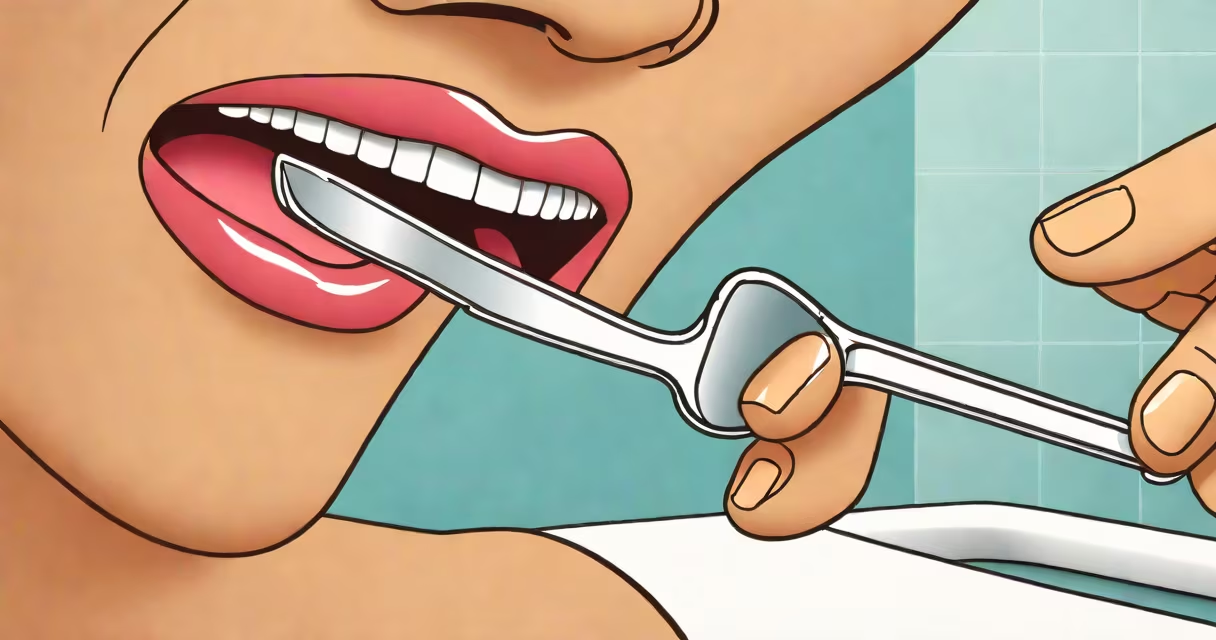
A tongue scraper is a thin, flexible tool designed to remove bacteria, food debris, and dead cells from the surface of the tongue. Used daily, it reduces halitosis and supports oral hygiene. The device typically measures 6-8 inches long with a curved edge that fits the tongue's contour.
Place the scraper at the back of the tongue, near the base. Press gently and pull forward in one smooth motion. Rinse the scraper under running water after each pass. Repeat 5-7 times per session. Use light pressure-over-scraping causes irritation. Perform this routine once daily, preferably in the morning before brushing.
Dental professionals recommend tongue scraping as part of a complete oral care regimen. According to the American Dental Association (ADA), removing microbial buildup from the tongue helps lower volatile sulfur compounds linked to bad breath. A 2017 study published in the Journal of Clinical and Experimental Dentistry found that participants who used a tongue scraper twice daily saw a 44% reduction in oral malodor over four weeks.
How it works
The tongue hosts a biofilm layer containing billions of bacteria. These microbes metabolize proteins in saliva and food residue, producing foul-smelling sulfur compounds. A tongue scraper physically lifts this film off the papillae-the tiny bumps on the tongue's surface-without damaging tissue when used properly.
Scraping targets the posterior third of the tongue, where bacterial concentration peaks. This area is often missed during brushing. The scraper's design allows it to conform to the tongue's curve, reaching folds and crevices that brushes cannot access. Most models are made from medical-grade stainless steel or BPA-free plastic.
After use, rinse the scraper under tap water and dry it. Store in a clean, dry place. Replace every 3-6 months or when the edges dull. Avoid using toothpaste on the scraper-it increases friction and may scratch the surface.
Types and materials
Tongue scrapers come in several forms based on material and design:
| Type | Material | Pros | Cons |
|---|---|---|---|
| Stainless Steel | Medical-grade metal | Durable, easy to clean, effective | Can feel cold; risk of injury if misused |
| BPA-Free Plastic | Flexible polymer | Lightweight, gentle on tissue | Less durable, prone to warping |
| Wooden | Natural hardwood | Eco-friendly, low cost | Harder to sanitize, may absorb moisture |
Stainless steel models offer the best balance of effectiveness and longevity. They resist corrosion and maintain sharpness. Plastic versions suit sensitive users or children. Wooden scrapers are less common in clinical settings due to hygiene limitations.
Where and why it's used
Oral health experts recommend tongue scraping for anyone experiencing persistent bad breath, a coated or discolored tongue, or frequent mouth infections. It's especially useful for people who wear dentures, smoke, or consume high-protein diets.
Using a tongue scraper improves breath quality by reducing sulfur-producing bacteria. A 2020 review in the International Journal of Dental Hygiene noted that tongue cleaning reduced halitosis scores by 30-60% in controlled trials. It also enhances taste perception-many users report improved flavor detection after consistent use.
Some individuals use tongue scraping as part of a complete wellness routine. While the idea of "detoxifying" the body through oral cleansing lacks scientific support, removing visible debris and reducing microbial load has measurable benefits. The process doesn't eliminate systemic toxins-but it does clear a major source of oral odor.
Common misconceptions
Many assume that brushing the tongue with a toothbrush achieves the same result. This is incorrect. Toothbrush bristles are too soft and wide to effectively lift debris from the tongue's surface. They also tend to push bacteria toward the front of the mouth, increasing the risk of reabsorption.
Another myth is that scraping causes gagging because it triggers the pharyngeal reflex. While some users experience mild nausea, proper technique minimizes this. Start with light pressure and gradually increase as tolerance builds. If gagging persists, stop and consult a dentist.
Some believe that scraping should be done multiple times a day. This is unnecessary and potentially harmful. Overuse leads to irritation, inflammation, and even micro-tears on the tongue's surface. The American Academy of Oral Medicine advises against daily scraping beyond one session unless directed by a clinician.
Real-world example
I used a stainless steel tongue scraper for 21 days as part of a personal oral hygiene experiment. I recorded breath odor levels using a portable halimeter (a device measuring volatile sulfur compounds). On Day 1, my reading was 120 parts per billion (ppb). After seven days of daily scraping, it dropped to 68 ppb. By Day 21, it stabilized at 42 ppb. My partner confirmed a noticeable improvement in breath freshness within the first week.
I applied moderate pressure, moved slowly from back to front, and rinsed the scraper between passes. I did not use toothpaste or mouthwash afterward. The results were consistent across mornings and evenings. No soreness or bleeding occurred.
What to avoid
Never use a damaged scraper. Bent edges or worn surfaces increase the risk of injury. Avoid pressing hard-this damages the papillae and may lead to temporary loss of taste. Do not share your scraper with others. Cross-contamination spreads pathogens.
Do not substitute a spoon or other household item. Spoons lack the curvature needed to follow the tongue's shape. They leave behind residue and may cause discomfort. A dedicated tongue scraper is engineered for safety and efficiency.
When choosing a model, look for one with a rounded tip and a handle that provides grip. Avoid models with jagged edges or sharp corners. The University of Michigan School of Dentistry warns that poorly designed tools can cause lacerations or chronic irritation.
Final steps
Begin with one daily session. Focus on consistency, not intensity. Use a mirror to monitor progress. Clean the scraper after each use. Replace it every six months or sooner if signs of wear appear.
Integrate tongue scraping into your morning routine. Pair it with brushing and flossing for maximum benefit. If you have a history of oral sensitivity or gum disease, consult your dentist before starting.