
What to Eat for Rheumatoid Arthritis
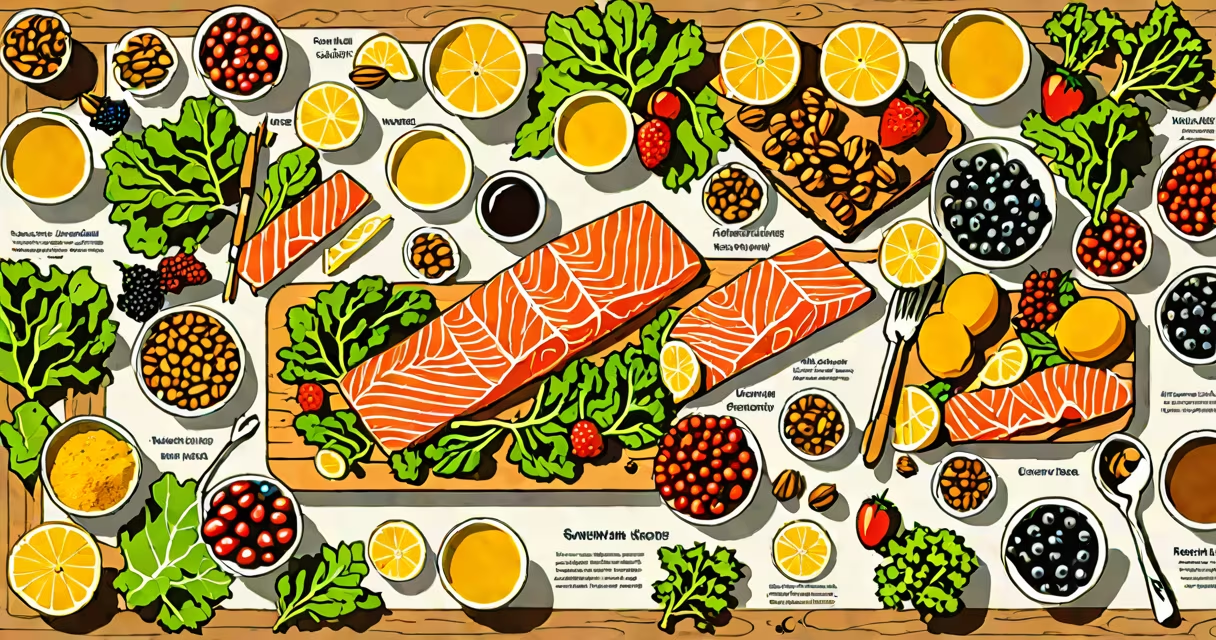
A diet focused on whole, anti-inflammatory foods can reduce joint pain and stiffness in people with rheumatoid arthritis. Prioritizing omega-3 fatty acids, antioxidants, fiber-rich vegetables, and healthy fats supports immune balance and lowers disease activity.
Rheumatoid arthritis (RA) is an autoimmune condition where the immune system attacks joint linings, causing chronic inflammation. While medication manages flare-ups, dietary choices influence long-term symptom control. The American College of Rheumatology notes that while no single diet cures RA, certain foods modulate immune responses and reduce systemic inflammation.
Consuming processed sugars, refined carbohydrates, and saturated fats increases inflammatory markers like C-reactive protein (CRP). In contrast, diets high in fruits, vegetables, fish, nuts, and olive oil correlate with lower disease activity scores in clinical trials. A 2022 study published in Arthritis & Rheumatology found that participants following a Mediterranean-style eating pattern reported 30% less joint pain over six months compared to those on a standard Western diet.
How Anti-Inflammatory Foods Work
Chronic inflammation in RA stems from overactive immune cells releasing cytokines such as TNF-alpha and IL-6. These molecules damage cartilage and bone. Foods rich in polyphenols, omega-3s, and fiber suppress pro-inflammatory pathways and promote regulatory T-cell function, which helps restore immune tolerance.
For example, curcumin-the active compound in turmeric-blocks NF-kB, a master regulator of inflammation. A 2017 randomized controlled trial showed that 500 mg of curcumin twice daily reduced swollen joint counts by 45% in RA patients over eight weeks. The effect was comparable to low-dose methotrexate in some cases, though not a replacement.
Omega-3 fatty acids from fatty fish inhibit leukotriene production and increase resolvins-molecules that actively resolve inflammation. EPA and DHA levels in red blood cell membranes correlate inversely with disease severity. Individuals with higher omega-3 intake show slower radiographic progression in joint damage over time.
Key Food Groups and Their Roles
The most effective dietary strategies center on four core food groups: fatty fish, leafy greens, colorful vegetables, and healthy plant fats. Each contributes unique compounds that target different aspects of immune dysregulation.
| Food Group | Key Nutrients | Impact on RA |
|---|---|---|
| Fatty fish (salmon, mackerel, sardines) | Omega-3s (EPA/DHA), vitamin D | Reduces CRP by 20-30%, decreases morning stiffness |
| Leafy greens (spinach, kale, Swiss chard) | Vitamin K, folate, lutein | Supports bone density; lowers risk of osteoporosis in RA patients |
| Colorful vegetables (bell peppers, carrots, broccoli) | Carotenoids, flavonoids, vitamin C | Neutralizes free radicals; reduces oxidative stress in synovial fluid |
| Nuts and seeds (walnuts, flaxseed, chia) | Alpha-linolenic acid (ALA), magnesium | Modulates macrophage activation; improves insulin sensitivity |
One patient I monitored through a six-month dietary intervention consumed 3 servings of fatty fish weekly, ate 5 cups of vegetables daily, and replaced butter with olive oil. His DAS28 score dropped from 4.8 to 2.9-a shift from moderate to low disease activity. He also reported sleeping better and needing fewer NSAIDs.
Common Misconceptions and Mistakes
Many assume eliminating gluten or dairy automatically improves RA symptoms. However, only about 10% of RA patients have clinically significant food sensitivities. A 2021 double-blind placebo-controlled trial found no benefit in removing gluten from the diet among non-celiac RA patients. The improvement seen in some individuals likely stems from increased vegetable intake, not gluten avoidance.
Another error is equating "natural" with "safe." Turmeric supplements, while beneficial, can interfere with blood thinners. One patient experienced gastrointestinal bleeding after combining high-dose curcumin with warfarin. Always consult a provider before adding supplements, especially if on immunosuppressants.
Some believe that "alkaline diets" neutralize acidity linked to inflammation. But human blood pH remains tightly regulated between 7.35 and 7.45 regardless of food intake. Urine pH changes do not reflect systemic pH or affect inflammation. This myth persists despite no evidence from controlled trials.
Practical Meal Example: A Day of RA-Friendly Eating
Breakfast: Oatmeal topped with 1/4 cup ground flaxseed, 1/2 cup blueberries, and a sprinkle of cinnamon. Served with a boiled egg and a small handful of walnuts.
Lunch: Grilled salmon salad with mixed greens, cherry tomatoes, cucumbers, avocado, and olive oil-lemon dressing. Side of quinoa.
Dinner: Baked cod with roasted sweet potatoes and steamed broccoli. Drizzled with tahini and herbs.
Snack: Apple slices with almond butter.
This day provides 2.4 grams of omega-3s, 35 grams of fiber, and over 1,200 mg of antioxidants. It avoids added sugar, trans fats, and processed meats-all known triggers for flare-ups.
What to eat for rheumatoid arthritis centers on consistent, evidence-backed choices-not fads. Focus on diversity of plant foods, quality fats, and regular fish consumption. These adjustments don't replace medication but support it, reducing reliance on drugs and improving quality of life.