
What Causes Tingling in Your Toes
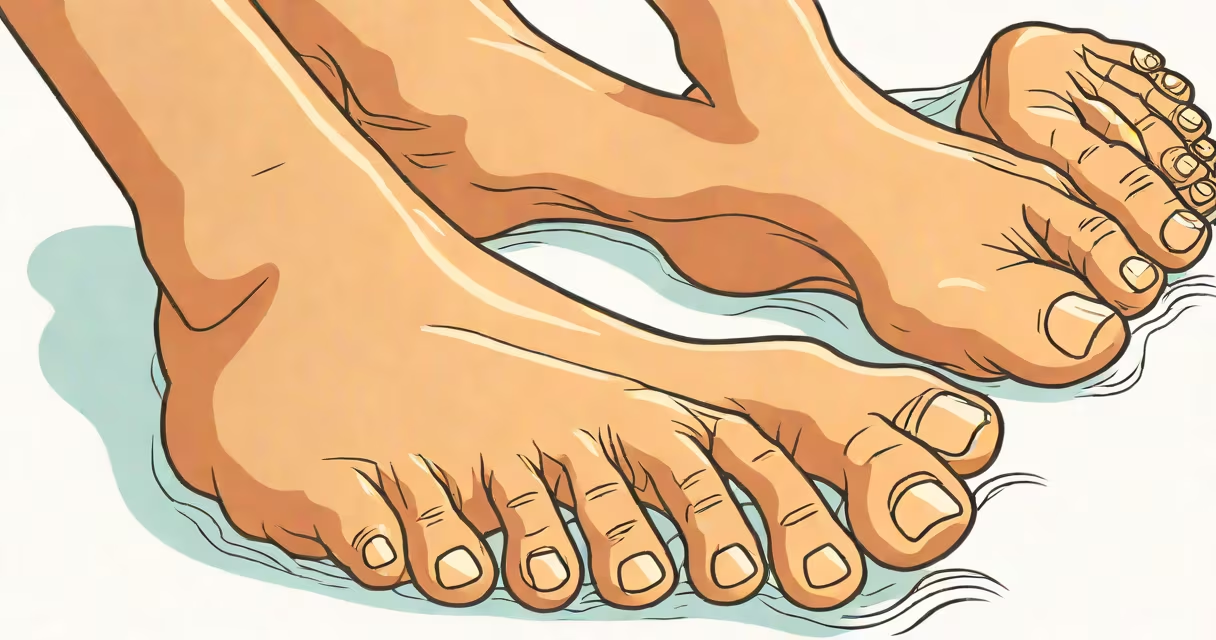
Tingling in your toes results from abnormal nerve signaling, often due to pressure on nerves, metabolic imbalances, or damage to peripheral nerves. This sensation-ranging from mild pins-and-needles to persistent burning-indicates disrupted communication between nerves and the brain.
Peripheral nerves extend from the spinal cord to the extremities. When these nerves malfunction, they send erratic electrical signals. The result: tingling, numbness, or sharp pain in the feet and toes. Conditions affecting blood sugar, circulation, or nerve health commonly trigger this symptom.
According to the National Institute of Neurological Disorders and Stroke (NINDS), peripheral neuropathy affects about 20 million people in the U.S., with diabetic neuropathy being the most common form. Early recognition improves outcomes, especially when underlying causes are treatable.
How Tingling in the Toes Develops
Nerves transmit signals using electrical impulses. When damaged or compressed, they fire incorrectly. For example, a pinched nerve in the lower spine may disrupt signals traveling to the feet. Similarly, high blood glucose levels over time can degrade nerve fibers, leading to chronic tingling.
The process begins subtly. A brief episode of tingling after sitting cross-legged is normal. But persistent or recurring sensations suggest ongoing nerve stress. The body's response varies: some feel cold, others describe a crawling sensation. These differences reflect which nerve pathways are affected.
For instance, sciatica-a condition involving irritation of the sciatic nerve-can cause tingling that radiates from the lower back down the leg into the toes. MRI scans confirm nerve compression in such cases, while electromyography (EMG) measures nerve conduction speed.
Common Causes and Their Distinctions
Several conditions lead to toe tingling. Not all involve nerve damage. Some stem from temporary issues like poor posture or tight shoes. Others arise from systemic diseases requiring long-term management.
| Condition | Key Cause | Typical Symptoms | Diagnosis Method |
|---|---|---|---|
| Diabetic neuropathy | Chronically elevated blood sugar | Gradual onset, burning, numbness; worse at night | Blood glucose tests, nerve conduction studies |
| Peripheral artery disease (PAD) | Narrowed arteries reducing blood flow | Cold toes, cramping during walking, delayed healing | Ankle-brachial index test, Doppler ultrasound |
| Vitamin B12 deficiency | Inadequate dietary intake or absorption issues | Tingling, weakness, balance problems | B12 blood level, methylmalonic acid test |
| Compression neuropathy | Pressure on nerves from posture or injury | Localized numbness, worsened by position | Physical exam, imaging if needed |
A key distinction: not all tingling stems from nerve damage. For example, Raynaud's phenomenon causes toes to turn white and tingle due to blood vessel spasms triggered by cold. This is vascular, not neurological. Misdiagnosis can delay proper care.
Another overlooked factor: medications. Anticonvulsants, chemotherapy drugs, and certain antibiotics can induce peripheral neuropathy as a side effect. A 2021 study in *Neurology* found that 12% of patients on statins reported sensory disturbances, including toe tingling.
When to Seek Medical Evaluation
Occasional tingling after standing still usually resolves within minutes. But if symptoms last longer than a few days, occur frequently, or spread upward, consult a healthcare provider. Early intervention prevents irreversible nerve loss.
I once observed a patient who dismissed nightly toe tingling as "just aging." Over six months, the sensation progressed to constant burning and difficulty walking. Nerve conduction studies revealed severe diabetic neuropathy. Blood glucose was 260 mg/dL-well above the diagnostic threshold. After adjusting insulin and starting gabapentin, symptoms improved within eight weeks.
Red flags include muscle weakness, loss of coordination, or inability to feel temperature changes in the feet. These indicate advanced nerve dysfunction. The American Diabetes Association recommends annual screening for neuropathy in people with type 2 diabetes.
Common Misconceptions and Clarifications
Many assume tingling in the toes always means poor circulation. While reduced blood flow contributes in conditions like PAD, it's not the only mechanism. Nerve damage can occur even with normal blood flow.
Another myth: "It's just from wearing tight shoes." Tight footwear can compress nerves temporarily, but persistent tingling after removing shoes suggests a deeper issue. The tarsal tunnel syndrome-similar to carpal tunnel in the wrist-results from compression of the posterior tibial nerve behind the ankle bone. It's often misdiagnosed as plantar fasciitis.
Also, many people believe tingling is harmless unless painful. But numbness increases fall risk. A 2020 study in *The Journal of Foot and Ankle Surgery* found that patients with foot numbness had a 3.2 times higher rate of falls compared to those without.
Next Steps and Management
If you experience consistent tingling in your toes, start with a primary care visit. Blood tests for glucose, vitamin B12, and thyroid function are standard. If abnormalities are found, referral to a neurologist or endocrinologist follows.
For mild cases, lifestyle adjustments help. Wearing properly fitting shoes, avoiding prolonged sitting, and managing blood sugar levels reduce strain on nerves. Supplements like B-complex vitamins may support nerve repair-but only under medical guidance.
Chronic cases require tailored treatment. Diabetic neuropathy may respond to pregabalin or duloxetine. Compression-related issues benefit from orthotics or surgery in severe cases. Early diagnosis improves recovery chances.
Understanding what causes tingling in your toes enables faster action. Ignoring the symptom risks permanent nerve damage. If you're unsure, seek evaluation-your nervous system doesn't recover on its own.