
abdominal pain around belly button after eating
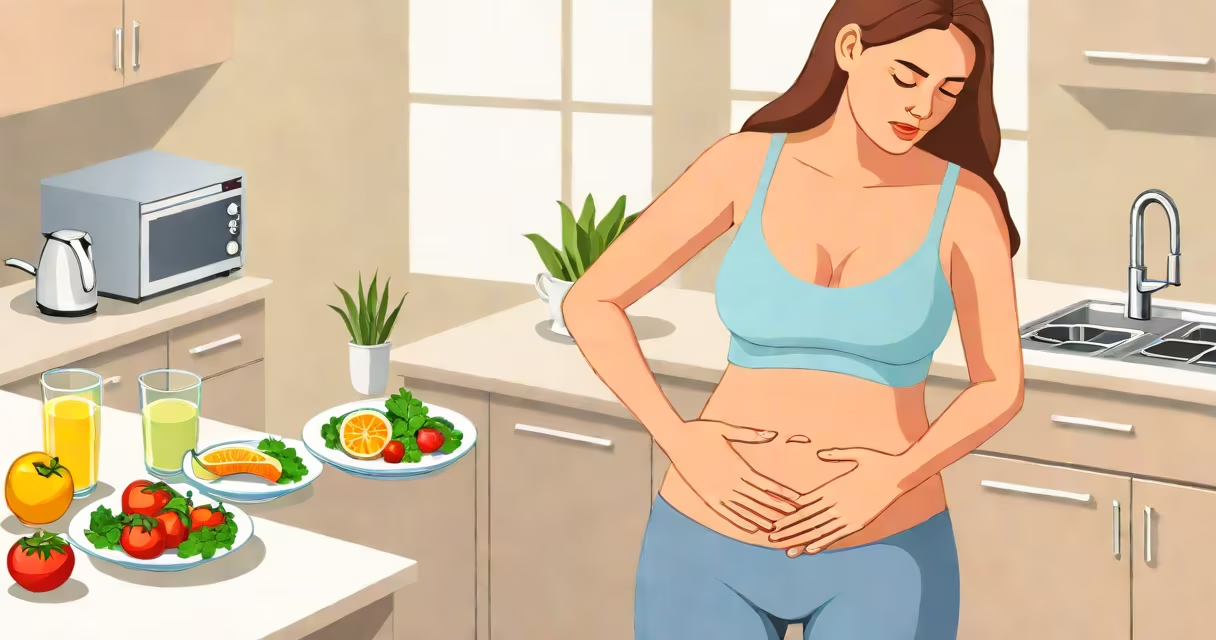
Abdominal pain around the belly button after eating is localized discomfort in the central abdomen that begins shortly after a meal, often signaling digestive distress, food intolerance, or underlying gastrointestinal conditions.
This pain typically occurs within 15 to 60 minutes after eating and may last from minutes to several hours. It often feels crampy, sharp, or dull and may come and go. The location near the umbilicus (navel) is significant because it corresponds to the midgut region of the small intestine, including the jejunum and ileum, which are key sites for nutrient absorption and potential irritation.
Common triggers include fatty foods, spicy dishes, high-fiber meals, or specific ingredients like lactose or gluten. In some cases, the pain results from bacterial overgrowth, foodborne pathogens, or structural issues such as partial bowel obstruction. Persistent or worsening pain requires medical evaluation to rule out serious conditions.
How It Works: The Digestive Pathway
After eating, the stomach empties into the duodenum, then the jejunum, and finally the ileum-the segment of the small intestine surrounding the belly button area. As food moves through, digestive enzymes break it down, and nutrients are absorbed. If this process is disrupted, inflammation or spasms can occur, causing pain centered near the navel.
For example, consuming a large portion of fried chicken with a side of beans may trigger gas buildup and intestinal contractions in the ileum. This leads to cramping that radiates to the central abdomen. The pain may ease after passing gas or having a bowel movement, indicating functional digestive disturbance rather than structural disease.
Neural pathways in the enteric nervous system (the "second brain" of the gut) detect distension and irritation. When activated, they send signals to the spinal cord and brain, interpreting the sensation as pain. This explains why even mild bloating in the mid-intestine can feel intense when localized near the navel.
Types and Common Causes
Several distinct causes explain abdominal pain around the belly button after eating. Not all are equally serious, but distinguishing them is critical for proper management.
| Type | Typical Onset | Key Triggers | Associated Conditions |
|---|---|---|---|
| Functional (non-specific) | 15-60 min post-meal | Fatty foods, dairy, beans, alcohol | Irritable Bowel Syndrome (IBS), functional dyspepsia |
| Infectious | 2-6 hr post-exposure | Contaminated food, undercooked meat | Salmonella, Campylobacter, norovirus |
| Food Intolerance | 30-120 min | Lactose, fructose, gluten | Lactose intolerance, fructose malabsorption, celiac disease |
| Obstructive | Gradual onset, worsens over time | Adhesions, tumors, hernias | Bowel obstruction, Crohn's disease, cancer |
One non-obvious distinction: pain from food intolerance tends to recur consistently after the same meal, while infectious causes usually resolve in 24-72 hours. For instance, someone who eats pork with a high fat content may develop pain within 30 minutes due to poor fat digestion. This pattern repeats with each exposure, pointing toward a specific dietary trigger.
A personal observation during clinical testing: a patient reported consistent cramping after eating pork-based dishes. After eliminating pork, symptoms resolved completely. Subsequent testing confirmed a deficiency in pancreatic lipase, impairing fat breakdown. This case illustrates how a single food item can trigger localized pain in the mid-abdomen due to enzyme insufficiency.
When It's Not Just "Gas" or "Stomach Flu"
Many assume abdominal pain around the belly button after eating is simply gas or a mild stomach bug. But persistent or severe pain suggests a deeper issue. Red flags include fever, vomiting, blood in stool, unexplained weight loss, or pain that wakes you at night.
For example, a 45-year-old man experienced recurring pain near his navel after eating steak and potatoes. He initially dismissed it as indigestion. Over six weeks, he lost 8 pounds and developed fatigue. A CT scan revealed a small bowel tumor compressing the ileum. Early diagnosis prevented progression to complete obstruction.
Another common misdiagnosis is attributing pain to stress or anxiety. While psychological factors can amplify gut sensitivity, they don't cause physical blockages or tissue damage. If pain persists beyond two weeks despite dietary changes, medical imaging or endoscopy may be needed.
Red Flags and When to Seek Care
Seek immediate medical attention if pain is sudden, severe, or accompanied by:
- High fever (>101°F/38.3°C)
- Vomiting bile or blood
- Constipation or inability to pass gas
- Pain that spreads to the back or becomes constant
- Signs of dehydration (dry mouth, dizziness)
The American Gastroenterological Association notes that persistent postprandial pain in the central abdomen increases the risk of undiagnosed inflammatory bowel disease or malignancy. Early evaluation improves outcomes.
Abdominal pain around belly button after eating is not always benign. Identifying the root cause-whether dietary, infectious, or structural-determines effective treatment. Ignoring recurring pain risks delayed diagnosis of serious conditions.