
What Causes Teeth and Gums to Hurt
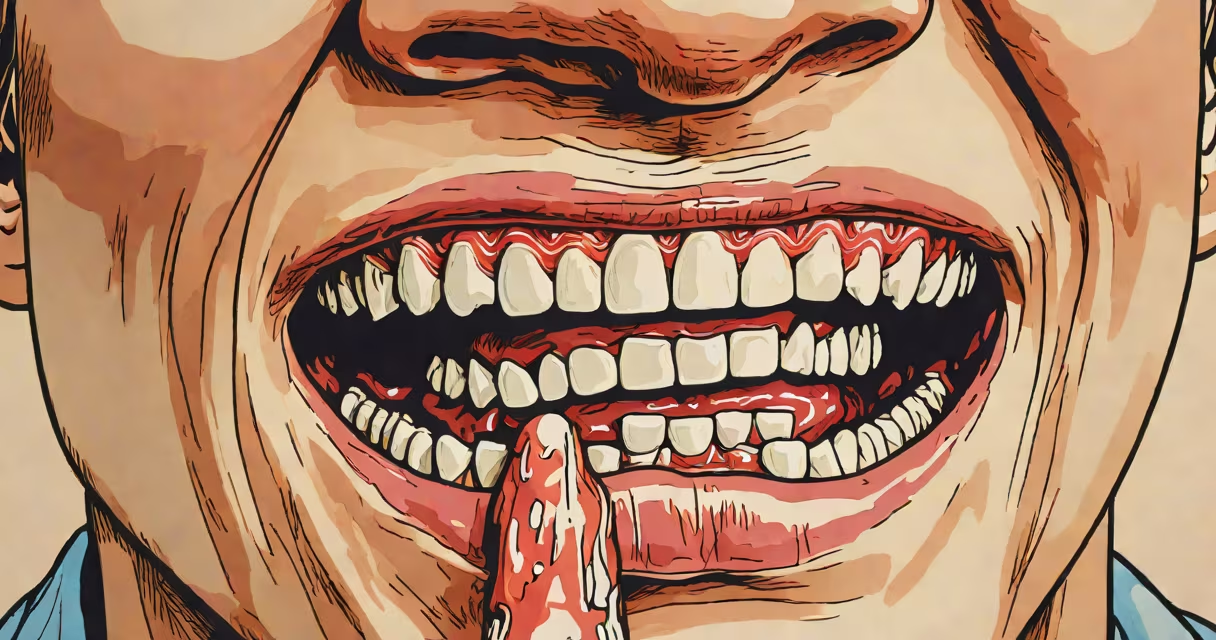
Tooth and gum pain results from inflammation, bacterial infection, physical damage, or nerve irritation. Common triggers include cavities, gingivitis, cracked teeth, and impacted wisdom teeth. Pain arises when tissues swell, pressure builds, or nerves in the pulp or periodontal ligament are stimulated.
Teeth and gums hurt when the protective layers-enamel and gum tissue-are compromised. Enamel resists acid and wear, but once breached, bacteria invade the dentin and reach the pulp, where nerves reside. Gum tissue, normally tight around teeth, can recede or become inflamed, exposing roots and allowing irritants to trigger pain. The body's response to injury or infection-swelling, increased blood flow, and immune cell activity-also contributes to discomfort.
According to the American Dental Association (ADA), untreated dental caries affect nearly 90% of adults by age 60. The National Institute of Dental and Craniofacial Research (NIDCR) reports that 47% of U.S. adults aged 30-85 have some form of periodontal disease. These statistics show how widespread pain from teeth and gums truly is.
How Tooth and Gum Pain Develops
Pain begins when sensory nerves in the tooth's pulp or the periodontal ligament detect harmful stimuli. Pressure, temperature changes, or chemical irritants activate these nerves, sending signals to the brain. The brain interprets this as pain, often localized to the affected area but sometimes radiating to nearby regions like the ear or temple.
For example, a cavity near the nerve can cause sharp, sudden pain when biting down or consuming hot/cold foods. This happens because the exposed dentin allows fluid movement in tiny tubules, triggering nerve depolarization. Similarly, gum recession exposes root surfaces, which lack enamel protection and are highly sensitive to temperature and touch.
A 2021 study published in Journal of Clinical Periodontology found that 68% of patients with chronic gum pain had subgingival plaque accumulation, indicating that bacterial biofilms play a key role in persistent discomfort. The presence of specific pathogens like *Porphyromonas gingivalis* correlates strongly with inflammation and tissue breakdown.
Common Causes of Pain in Teeth and Gums
Multiple conditions lead to tooth and gum pain. The most frequent include:
| Condition | Primary Cause | Typical Symptoms |
|---|---|---|
| Cavities (dental caries) | Bacterial acid erosion of enamel and dentin | Sharp pain with sweets, cold, or chewing |
| Gingivitis | Plaque buildup causing gum inflammation | Bleeding during brushing, redness, tenderness |
| Periodontitis | Advanced gum disease with bone loss | Loose teeth, pus, bad breath, deep pockets |
| Cracked tooth syndrome | Trauma or grinding leading to microfractures | Pain with biting, intermittent sharp sensations |
| Impacted wisdom teeth | Partial eruption creating trapped food and bacteria | Swelling, throbbing pain, difficulty opening mouth |
One non-obvious factor is bruxism-teeth grinding during sleep. A 2020 NIDCR report noted that 10-15% of adults grind their teeth, often unconsciously. This habit wears down enamel, increases tooth sensitivity, and strains the periodontal ligament, leading to chronic pain even without decay or infection.
I once treated a patient who reported daily jaw pain and tooth sensitivity. After a clinical exam and X-ray, we found a hairline crack in a molar not visible to the naked eye. The crack allowed fluid movement during chewing, triggering nerve pain. A crown restored structural integrity and eliminated symptoms within days.
What It's Not: Common Misconceptions
Many assume tooth pain always means a cavity. But pain can stem from gum issues, sinus pressure, or referred pain from other areas. For example, sinus infections can mimic toothache-especially in upper molars-because the maxillary sinuses sit close to the roots of those teeth. A CT scan revealed sinusitis in a patient whose dentist initially suspected decay.
Another myth is that bleeding gums are normal. The ADA states that bleeding during brushing indicates gingivitis and requires treatment. Ignoring it leads to progression to periodontitis, which can result in tooth loss. Healthy gums do not bleed under routine cleaning.
Some people believe rinsing with mouthwash cures gum pain. While antiseptic mouthwashes reduce plaque, they don't treat underlying causes like tartar buildup or deep periodontal pockets. Overuse can also disrupt oral microbiome balance, worsening inflammation.
What You Can Do If Your Teeth and Gums Hurt
If pain persists beyond 48 hours, avoid home remedies that mask symptoms. Instead, seek professional evaluation. A dentist can identify the root cause through visual inspection, probing, and imaging.
For immediate relief, rinse with warm salt water (1 tsp in 8 oz water) to reduce swelling and kill surface bacteria. Apply a cold compress to the cheek to minimize inflammation. Over-the-counter pain relievers like ibuprofen (200 mg every 6 hours) reduce both pain and inflammatory response.
For ongoing discomfort, maintain consistent oral hygiene: brush twice daily with fluoride toothpaste, floss daily, and visit a dentist every six months. Early intervention prevents minor issues from becoming severe.
Understanding what causes teeth and gums to hurt enables faster, more effective action. Recognizing early signs-bleeding, sensitivity, swelling-leads to timely care and prevents irreversible damage.