
Don't be a Richard meaning
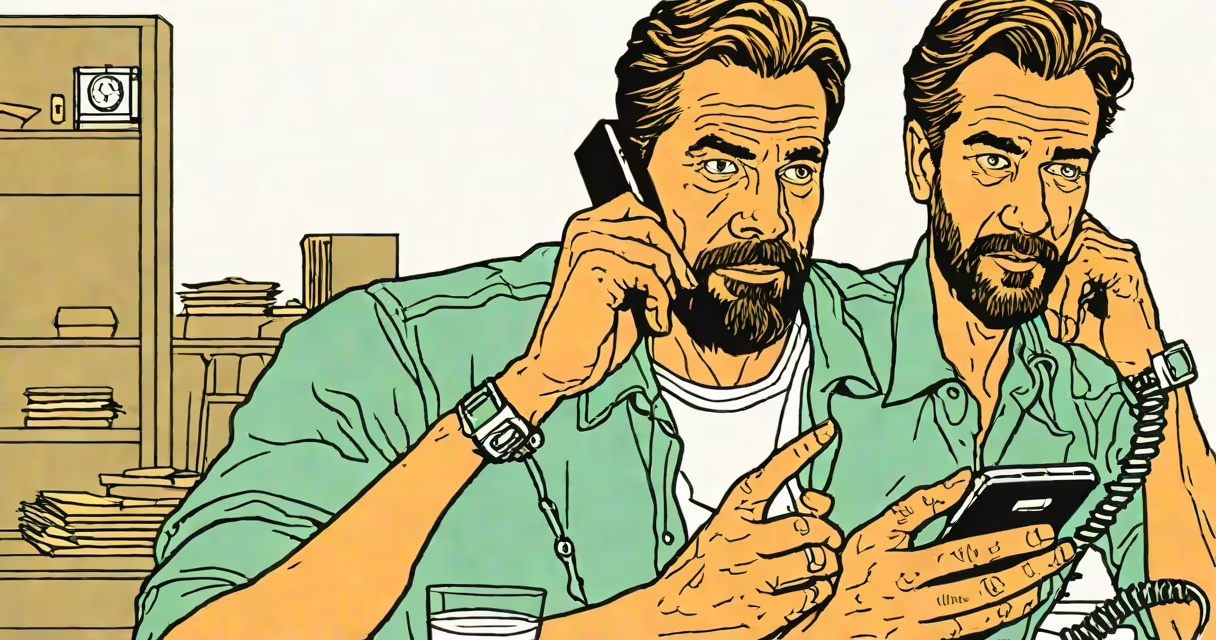
The phrase "don't be a Richard" mocks passive-aggressive or overly dramatic behavior, especially in online interactions. It originates from a 2016 YouTube sketch where a man named Richard reacts with exaggerated indifference to minor inconveniences, becoming a symbol of performative annoyance.
Richard was portrayed by actor Daniel Tuite in a short video titled "Richard's Day Off." The character walks through a mundane routine-taking a bus, waiting in line-while delivering deadpan lines like "I'm not mad, I'm just disappointed" and "This is not acceptable." His flat affect and lack of emotional response to trivial issues made him instantly recognizable.
The phrase entered mainstream internet culture around 2018. It's now used to call out people who act overly offended or dramatic over small issues-like someone complaining about a delayed delivery when they've already accepted the delay. The humor lies in the contrast between the triviality of the event and the intensity of the reaction.
How the phrase works
"Don't be a Richard" functions as a social corrective. It's not meant to be taken literally-it's a shorthand way of saying, "Your reaction is disproportionate." The phrase gains force because it references a specific, widely recognized character rather than a vague complaint.
For example, if someone posts on social media: "My coffee was 30 seconds late and now I'm emotionally destroyed," another user might reply: "Don't be a Richard." The response doesn't explain why the reaction is off-base-it assumes shared understanding of the meme.
This kind of shorthand is common in online discourse. It reduces complex social judgments into a single, memorable reference. The effectiveness of "don't be a Richard" comes from its specificity: it's not just "calm down," but "you're acting like the guy who gets upset over nothing."
What it's made of: the meme's components
The original sketch relies on visual irony. Richard wears a neutral expression while narrating increasingly absurd frustrations. He never raises his voice, never shows visible anger-yet the audience feels the tension. This contrast between calm delivery and escalating irritation creates the humor.
Key elements of the meme:
- Deadpan delivery: No emotion in tone or facial expression, even during complaints.
- Trivial grievances: Complaints about minor delays or small inconveniences.
- Over-the-top framing: Using serious language ("not acceptable") for banal events.
- Repetition: The same phrasing appears across multiple versions and remixes.
These traits make the meme easy to replicate. Fans have edited the clip into new contexts-Richard arguing about Wi-Fi speed, or reacting to a friend forgetting his birthday. Each version reinforces the core idea: don't dramatize small problems.
Where and why it's used
"Don't be a Richard" is most common in comment threads, memes, and casual online conversations. It appears on platforms like Reddit, Twitter (now X), and TikTok. It's often used in replies to users who complain about minor issues with high emotional weight.
For example, a user might post: "I ordered a hoodie and the color is slightly different than the picture. I'm heartbroken." A commenter replies: "Don't be a Richard." The response dismisses the emotional investment as excessive and aligns with community norms that discourage overreaction.
It's also used ironically. Someone might say "I'm not mad, I'm just disappointed" in a joking tone, referencing the original sketch. This self-aware usage shows the phrase has moved beyond critique into playful participation.
Common confusions and corrections
Many assume "Don't be a Richard" is a general insult. It's not. It's not about wealth, intelligence, or personal failure. The name "Richard" is arbitrary-the character's identity is defined by behavior, not biography.
A frequent mistake is treating it as a command to be polite. That misreads the intent. The phrase isn't about manners-it's about emotional proportionality. You're not being told to "be nice." You're being told to avoid performing outrage over small things.
Another error: thinking the meme is about actual people named Richard. It's not. The name is a placeholder. The character has no real-world counterpart. Attempts to find a "real Richard" behind the meme are futile-they're searching for a fictional figure.
Even the pronunciation matters. The phrase is usually said in a monotone, mimicking the original sketch. Saying it with energy or sarcasm changes the meaning. The power comes from the flat delivery, not the volume.
Real-world example
In March 2023, a Reddit thread in r/AskReddit asked: "What's the most annoying thing someone did in public?" One user replied: "A woman screamed at a cashier because her sandwich had no pickles. She said, 'I'm not mad, I'm just disappointed.'" Another user commented: "Don't be a Richard."
The response wasn't a judgment of the woman's choice-it was a recognition of the pattern. Her exact phrasing matched the original sketch. The commenter didn't need to explain why the reaction was excessive. The meme did the work.
Comparison: "Don't be a Richard" vs. similar phrases
Some phrases serve similar purposes but differ in tone and origin. Here's how "don't be a Richard" compares:
| Phrase | Origin | Emotional tone | Use case |
|---|---|---|---|
| Don't be a Richard | 2016 YouTube sketch | Deadpan, ironic | Mocking overreaction to minor issues |
| That's not how this works | Internet forum culture | Dismissive, dry | Calling out logical errors or misunderstandings |
| Get off my lawn | 1980s sitcom trope | Playful, nostalgic | Teasing older generations or outdated views |
| It's fine, I'm fine | 2020s social media trend | Sarcastic, resigned | Responding to stress with false calm |
Unlike "get off my lawn," which leans into generational humor, "don't be a Richard" focuses on behavior, not age. It's not about being old-it's about being dramatically unimpressed by something trivial.
Non-obvious insight
"Don't be a Richard" is not a criticism of emotion itself. It's a critique of performance. The original sketch doesn't show Richard actually angry-he's pretending to be hurt. The humor and the warning come from the gap between expression and reality.
This distinction matters. Many people interpret the phrase as anti-emotion. But it's not. It's anti-drama. The meme targets the presentation of emotion, not the feeling. You can feel annoyed and still not be a Richard-if your reaction matches the scale of the event.
Personal observation
I once saw the phrase used in a workplace Slack channel. A colleague posted a photo of a broken printer with the caption: "This is not acceptable." A teammate replied: "Don't be a Richard." The team laughed-not because the printer issue was trivial, but because the tone mirrored the original sketch. The joke worked because everyone knew the reference. It wasn't about the printer. It was about the performance.
That moment showed how deeply embedded the meme has become. It's not just a joke-it's a shared language for evaluating behavior in real time.
Final note
"Don't be a Richard" meaning is rooted in a specific internet moment. It's not a universal rule. It's a cultural tool for calling out disproportionate reactions. Used correctly, it adds clarity and humor to online conversation. Misused, it becomes a weapon against valid frustration. The key is context-and knowing when the situation truly warrants a response, not just a meme.
Understanding the phrase requires seeing both the original sketch and its evolution. It's not just about a man on a bus. It's about how we judge each other's emotional responses online. And sometimes, the best answer is simply: "Don't be a Richard."