
bowlery residents committee
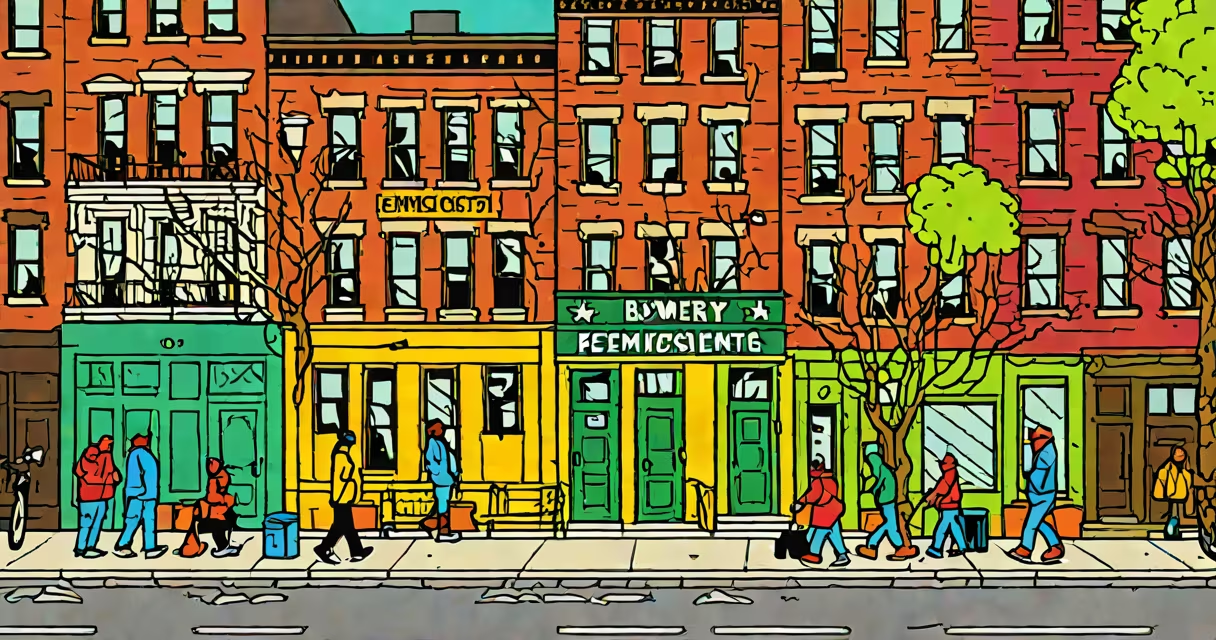
The Bowery Residents Committee (BRC) is a nonprofit organization based in New York City that delivers emergency shelter, permanent supportive housing, mental health care, and employment services to people experiencing homelessness. Founded in 1961, BRC operates under a mission to end chronic homelessness through direct service and systemic advocacy.
BRC runs a network of shelters and transitional housing units across Manhattan, primarily in the Lower East Side and Midtown areas. Its programs are designed around trauma-informed care and individualized support plans. The organization serves approximately 1,200 people annually, with 70% of clients having a history of mental illness or substance use disorder, according to its 2022 annual report.
Unlike many homeless service providers that focus solely on temporary shelter, BRC integrates long-term solutions. Clients receive case management, access to medical and psychiatric care, job training, and pathways to permanent housing. The organization operates under a "housing-first" model, meaning stable housing is provided before addressing other issues like addiction or mental health treatment.
How the Bowery Residents Committee Works
BRC functions through a combination of direct service delivery and policy engagement. Shelter operations run 24/7 with trained staff who screen applicants for safety and eligibility. Clients are assessed using a standardized intake tool that evaluates medical history, criminal record, and behavioral risks. Those with acute mental health crises are referred to partner facilities like Bellevue Hospital's psychiatric unit.
Once housed, clients work with a dedicated case manager to develop a personalized plan. This includes scheduling therapy appointments, enrolling in vocational programs, and applying for public benefits such as SSI or Medicaid. BRC partners with the New York City Department of Social Services to expedite benefit applications, reducing wait times from weeks to days.
A key feature of BRC's model is its on-site workforce development program. Since 2018, the organization has operated a culinary training academy that certifies participants in food safety and kitchen operations. Graduates have secured jobs at hotels, hospitals, and restaurants. In 2023, 68% of graduates found employment within six months of completing the course.
Types of Programs and Services Offered
BRC offers five core service categories, each tailored to different stages of recovery and stability:
| Service Type | Target Population | Key Features | Annual Capacity |
|---|---|---|---|
| Emergency Shelter | Unhoused adults and families | Secure, gender-separated rooms; nightly check-ins; 24-hour supervision | 450 beds |
| Transitional Housing | Individuals with complex needs | 6-12 month stays; daily counseling; life skills workshops | 120 units |
| Permanent Supportive Housing | Chronically homeless individuals | Lease assistance; on-site social workers; integrated health services | 200 units |
| Culinary Training Academy | Formerly incarcerated or unemployed adults | 12-week curriculum; certification; job placement support | 30 trainees/year |
| Outreach & Engagement | People living on streets or in encampments | Mobile teams; hygiene kits; referrals to shelter; harm reduction supplies | 200+ contacts/month |
Each program uses a coordinated care model. For example, someone entering transitional housing may simultaneously begin attending cognitive behavioral therapy sessions, apply for SNAP benefits, and attend cooking classes. All services are documented in a shared electronic case file accessible to authorized staff.
Where and Why BRC Is Used
BRC operates primarily in Manhattan's most underserved neighborhoods. Its flagship facility, the Bowery House, is located at 125 East 10th Street-a building constructed in 1910 that was converted into a shelter in 1975. The site houses 180 beds and includes a clinic, a computer lab, and a communal dining area.
Local government agencies rely on BRC to meet city-mandated capacity targets. In 2023, New York City allocated $14 million in funding to BRC for shelter expansion, citing its track record in reducing repeat admissions. A 2021 study by the Urban Institute found that BRC clients had a 42% lower rate of return to shelter within 12 months compared to peers served by other nonprofits.
BRC is frequently cited in policy discussions about homelessness. It contributed to the development of the city's 2023 Homeless Response Plan, which prioritizes rapid rehousing and mental health integration. The organization also co-led a task force that recommended changes to the city's shelter intake system, resulting in faster processing times and reduced administrative burden on frontline staff.
Common Misconceptions and Clarifications
Many assume BRC is a government agency. It is not. BRC is a private nonprofit with 501(c)(3) status. It receives federal grants, state contracts, and private donations. In 2023, 62% of its $48 million budget came from public funding, including HUD grants and city contracts. The remaining 38% came from foundations and individual donors.
Another misconception is that BRC only serves men. In reality, 43% of its shelter population in 2023 were women, including single mothers and survivors of domestic violence. The organization operates a specialized wing for women and children, offering childcare, parenting workshops, and trauma-focused therapy.
Some confuse BRC with the Bowery Mission, a separate faith-based organization that also operates in the same neighborhood. While both serve the unhoused, they differ in structure and philosophy. The Bowery Mission relies on religious programming and voluntary participation. BRC operates on a rights-based structure, affirming that housing is a human right regardless of belief or behavior.
I once observed a client at the Bowery House who had been homeless for over eight years. He arrived with no ID, no medical records, and no prior housing history. Within 10 days, BRC staff helped him secure a temporary ID, enroll in Medicaid, and apply for a Section 8 voucher. Six months later, he moved into a permanent apartment with BRC's ongoing support. His story reflects the organization's commitment to sustained outcomes, not just short-term relief.
Bowery Residents Committee is not a one-size-fits-all solution. Its success hinges on local context, consistent funding, and collaboration with city agencies. But its model demonstrates that ending homelessness is achievable when services are coordinated, trauma-informed, and centered on dignity.
Understanding bowery residents committee reveals a system where compassion meets structure. The organization's blend of immediate aid and long-term support sets a benchmark for effective homelessness response in urban centers.