
treatment for osteoarthritis
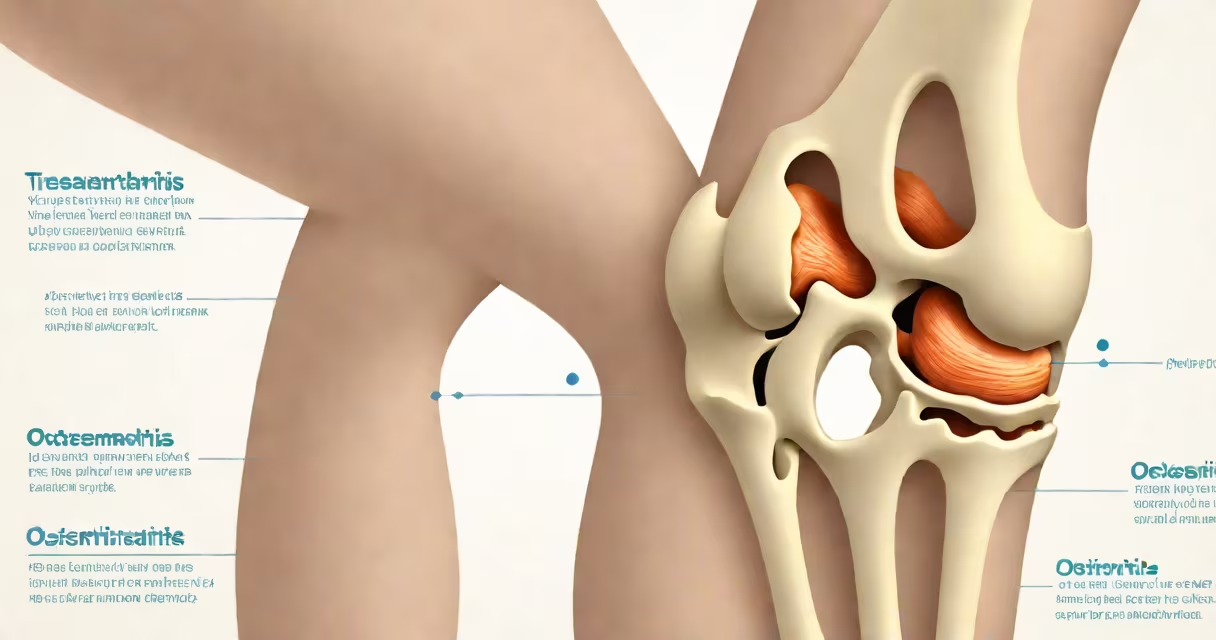
Effective treatment for osteoarthritis combines medications, physical therapy, weight management, and surgical options to reduce pain, slow joint degeneration, and restore function. The goal is sustained symptom control and improved daily activity tolerance.
Osteoarthritis results from progressive breakdown of joint cartilage, primarily affecting knees, hips, hands, and spine. As cartilage wears down, bone rubs against bone, causing pain, stiffness, and reduced motion. Treatment focuses on managing symptoms and preserving joint integrity through non-invasive and, when needed, surgical interventions.
According to the American College of Rheumatology (ACR), first-line treatments include acetaminophen for mild pain and nonsteroidal anti-inflammatory drugs (NSAIDs) like ibuprofen or naproxen for moderate-to-severe pain. Topical NSAIDs applied directly to the skin offer similar pain relief with lower systemic exposure, reducing gastrointestinal risks.
How Treatment Works
Treatment for osteoarthritis targets multiple pathways: pain signaling, inflammation, joint mechanics, and tissue health. Medications interrupt pain signals or reduce inflammatory mediators. Physical therapy strengthens muscles around joints, improving stability and reducing load on damaged cartilage. Weight loss decreases pressure on weight-bearing joints-each pound lost reduces knee stress by four pounds during walking.
A 2023 study published in Arthritis & Rheumatology found that patients who combined exercise with diet lost an average of 12% body weight over six months, resulting in a 50% reduction in knee pain scores compared to controls. This effect was independent of medication use, underscoring the role of modifiable factors.
For those unresponsive to conservative care, intra-articular corticosteroid injections provide short-term relief (up to 6 weeks) by suppressing local inflammation. Hyaluronic acid injections aim to supplement synovial fluid, though evidence for long-term benefit remains limited. A 2021 Cochrane review concluded that hyaluronic acid offers modest improvement in pain and function for knee osteoarthritis, but effects are inconsistent across individuals.
Types of Interventions
Interventions fall into four categories: pharmacological, mechanical, regenerative, and surgical. Pharmacological agents include analgesics, NSAIDs, and topical formulations. Mechanical approaches involve bracing, assistive devices, and gait modification. Regenerative techniques such as platelet-rich plasma (PRP) and stem cell injections are under investigation but lack consistent evidence for structural repair.
| Type | Examples | Effectiveness (based on ACR guidelines) |
|---|---|---|
| Pharmacological | Acetaminophen, ibuprofen, topical diclofenac | Mild to moderate pain relief; NSAIDs effective but carry cardiovascular and GI risk |
| Mechanical | Knee brace, cane, orthotics | Reduces joint loading; improves stability and gait efficiency |
| Regenerative | PRP, mesenchymal stem cells | No proven cartilage regeneration; symptomatic relief possible in select cases |
| Surgical | Arthroscopy, osteotomy, total joint replacement | High success rate for advanced disease; total knee replacement shows 90% patient satisfaction at 10 years |
One non-obvious distinction: not all joint injections are equally effective. Corticosteroids reduce inflammation rapidly but do not address cartilage degradation. Hyaluronic acid may improve lubrication but lacks evidence for halting disease progression. PRP, while popular in sports medicine, shows mixed results in clinical trials-some show pain reduction, others show no difference versus placebo.
Common Misconceptions and Confusions
Many assume osteoarthritis is simply "wear and tear" that cannot be altered. This is incorrect. While aging contributes, mechanical overload, obesity, prior injury, and genetics all influence disease onset and progression. Early intervention slows decline. A 2022 study in The Lancet Rheumatology showed that patients who began structured exercise within two years of diagnosis had less joint space narrowing on X-ray over five years compared to those who delayed treatment.
Another misconception is that surgery is a last resort. Total joint replacements are highly successful-over 90% of patients report significant pain reduction and improved mobility. However, they are not reversible and carry infection, blood clot, and implant failure risks. They are reserved for severe cases where quality of life is compromised despite conservative measures.
I once observed a 68-year-old woman with bilateral knee osteoarthritis who avoided surgery for seven years. She maintained her independence through daily low-impact cycling, strength training, and a tailored NSAID regimen. Her pain remained manageable until she developed instability during stair climbing. After a total knee replacement, she walked without a cane within six weeks and resumed gardening-a task she hadn't done in over three years.
When and Where Treatment Is Used
Primary care providers often initiate treatment for early-stage osteoarthritis. Referral to rheumatologists or orthopedic surgeons occurs when pain persists despite standard care, imaging shows advanced joint damage, or surgical evaluation is needed. Treatment plans are individualized based on location (knee vs. hip vs. hand), severity, comorbidities, and patient goals.
For example, a 55-year-old office worker with hand osteoarthritis may benefit from splints and hand exercises to preserve grip strength. A 70-year-old with severe hip osteoarthritis and difficulty walking may require a total hip replacement. The decision hinges on functional impact-not just pain level.
Physical therapy is effective across stages. A randomized controlled trial in JAMA Internal Medicine found that supervised exercise programs improved function and reduced pain more effectively than home-based routines. Patients who attended weekly sessions saw greater gains in walking distance and reduced reliance on painkillers.
Key Distinctions and Clarifications
One overlooked fact: even in advanced osteoarthritis, non-surgical treatments remain valuable. A 2020 study in BMJ Open reported that 60% of patients with severe knee osteoarthritis maintained stable function with physical therapy and weight management alone-avoiding surgery altogether.
Treatment for osteoarthritis is not one-size-fits-all. Success depends on accurate diagnosis, realistic expectations, and consistent adherence to a personalized plan. Early action improves outcomes. Delaying care increases joint damage and reduces the effectiveness of non-surgical options.