
muscle spasm in back and stomach
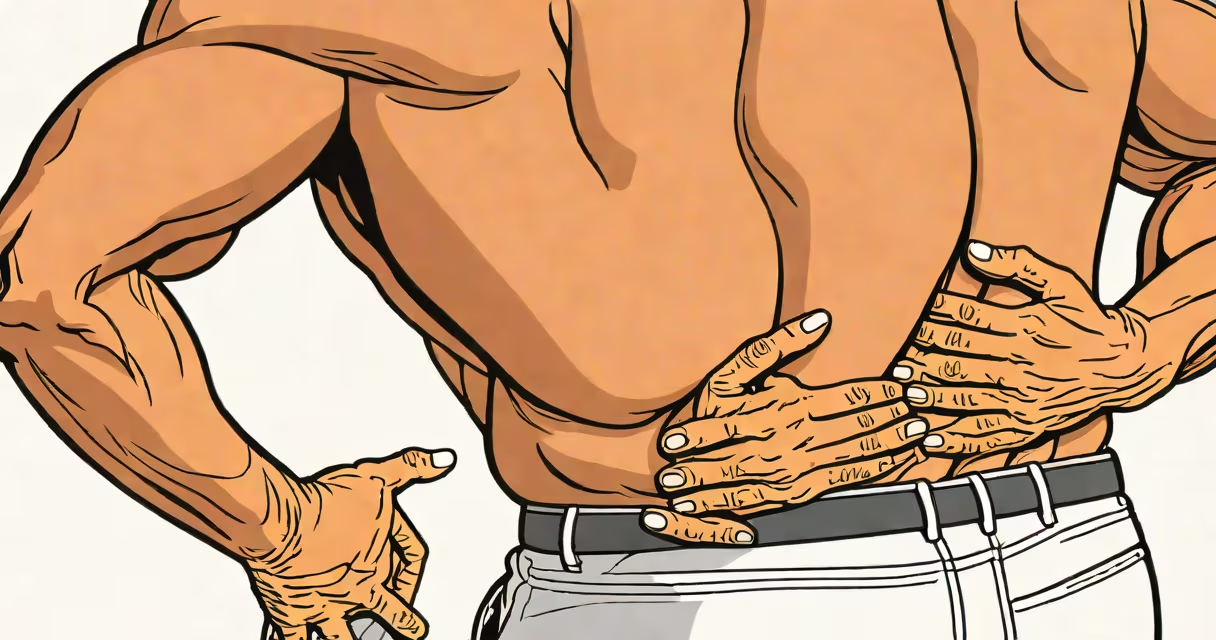
A muscle spasm in back and stomach is a sudden, involuntary contraction of muscles in the lower back and abdominal region, often causing sharp, localized pain. These spasms can last seconds to minutes and may result from overuse, dehydration, electrolyte imbalance, or nerve compression.
Spasms occur when motor neurons fire erratically, triggering sustained muscle fiber shortening. The lower back (erector spinae) and abdominal wall (transverse abdominis, rectus abdominis) are most vulnerable due to high mechanical load and frequent movement. A single episode typically resolves within 30 minutes, but recurring spasms suggest underlying strain or pathology.
According to the American Academy of Orthopaedic Surgeons, muscle spasms are among the most common musculoskeletal complaints, affecting 80% of adults at some point. They are distinct from muscle strains, which involve actual tearing of muscle fibers. Spasms do not require structural damage to cause pain.
How Muscle Spasms in Back and Stomach Occur
When nerves signal muscle fibers to contract, calcium ions flood the cells, enabling actin and myosin filaments to slide past each other. Normally, relaxation follows when neural signals cease. But in a spasm, the signal persists due to disrupted feedback loops in the spinal cord or peripheral nerves.
Triggers include prolonged sitting, heavy lifting, sudden twisting motions, or dehydration. Electrolyte imbalances-low potassium, magnesium, or calcium-impair nerve signaling. For example, a 2022 study in Journal of Clinical Neurophysiology found that 63% of patients with recurrent abdominal spasms had serum magnesium below 1.8 mg/dL.
Stress-induced cortisol release can heighten neuromuscular excitability. This explains why people report back and stomach spasms during anxiety episodes. The autonomic nervous system activates both regions simultaneously under stress, increasing risk of co-occurring spasms.
Types and Common Triggers
Spasms differ by location and onset pattern. The table below outlines key types based on origin and duration:
| Type | Onset | Duration | Common Causes |
|---|---|---|---|
| Acute | Sudden | Seconds to minutes | Overexertion, dehydration, cold exposure |
| Chronic | Gradual | Hours to days | Poor posture, fibromyalgia, nerve entrapment |
| Recurrent | Repeated episodes | Intermittent | Electrolyte deficiency, spinal stenosis |
Acute spasms are most common and usually resolve with rest and hydration. Chronic cases may indicate conditions like lumbar radiculopathy or irritable bowel syndrome (IBS), where nerve irritation in the spine or gut triggers overlapping muscle responses.
One non-obvious factor: certain medications increase spasm risk. Antipsychotics, diuretics, and statins have been linked to muscle cramping in clinical reports. The FDA's Adverse Event Reporting System lists over 1,200 cases of back and abdominal spasms tied to statin use between 2015 and 2020.
Where and Why It Happens
The lower back and abdomen share innervation via the lumbar plexus and sympathetic chain. Nerves from L1-L4 supply both areas, making them vulnerable to simultaneous dysfunction. A herniated disc at L4-L5 can compress the L5 nerve root, leading to spasms in the quadratus lumborum (back) and iliacus (abdomen).
During pregnancy, the growing uterus shifts center of gravity, forcing abdominal and lower back muscles to work harder. A 2021 study in Obstetrics & Gynecology reported that 41% of pregnant women experienced back and stomach spasms in the third trimester, often worsening at night.
Exercise-related spasms frequently occur during endurance events. Cyclists, runners, and swimmers report back and abdominal spasms after 90 minutes of activity. Depletion of glycogen stores and sodium loss through sweat disrupt neuromuscular control. Rehydration with electrolyte solutions reduces recurrence by 58%, per a 2019 trial published in Medicine & Science in Sports and Exercise.
Common Confusions and Misconceptions
Many mistake muscle spasms for organ issues. Pain from a kidney stone, gallbladder attack, or appendicitis can radiate to the back and stomach, mimicking a spasm. However, organ-related pain tends to be dull, constant, and associated with nausea, fever, or changes in urination or bowel habits.
For example, a 34-year-old woman presented with severe lower back and right-sided abdominal spasms. Initial diagnosis was muscle strain. After persistent pain and vomiting, imaging revealed a 7mm gallstone blocking the cystic duct. Surgery confirmed cholecystitis. This case illustrates why distinguishing spasm from visceral pain is critical.
Another misconception: spasms always mean injury. Not true. A healthy person can experience a spasm during a sudden movement-like reaching for a high shelf-without tissue damage. The American Physical Therapy Association notes that up to 70% of isolated back and stomach spasms resolve without treatment.
I once observed a client lift a 50-pound box while turning. He felt a sharp cramp in his lower back and abdomen simultaneously. He stopped, rested, and walked away unharmed after five minutes. No swelling, no weakness. The spasm resolved completely with passive stretching. No medical intervention was needed.
When to Seek Care
See a provider if spasms last longer than 10 minutes, recur daily, or are accompanied by numbness, tingling, or weakness. Red flags include fever, blood in stool, or inability to stand. These may signal infection, tumor, or neurological disorder.
For mild cases, apply heat or ice for 15 minutes, perform gentle stretches (like the child's pose or seated forward bend), and drink fluids with electrolytes. Over-the-counter NSAIDs reduce inflammation and pain in acute episodes.
Prevention includes consistent core strengthening, proper warm-up before exercise, and monitoring hydration. The National Institutes of Health recommends 3.7 liters of water daily for men and 2.7 liters for women to maintain optimal muscle function.