
peace arabic word
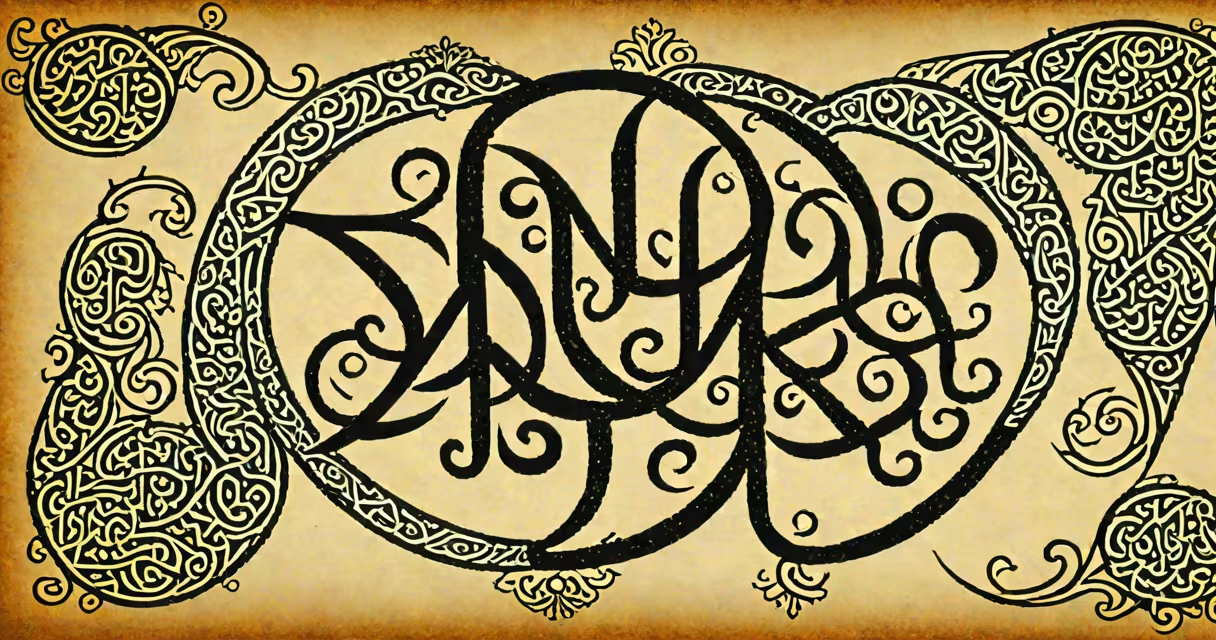
The Arabic word for peace is "salam" (سَلَام), derived from the Semitic root س ل م, which conveys safety, wholeness, and well-being. It functions as both a noun and a verb, expressing harmony and security in personal, social, and spiritual contexts.
Salam appears in everyday speech across the Arab world. When people meet, they often say "As-salāmu ʿalaykum" (السلام عليكم), meaning "Peace be upon you," to acknowledge presence and goodwill. This greeting is central to Islamic tradition and is recited during prayers and daily interactions.
Etymologically, the root س ل م connects to concepts of completeness and safety. In classical Arabic texts, including the Qur'an, "salam" is used to describe divine peace and the state of being free from harm. For example, Surah Al-Baqarah (2:255) references God's peace as a gift to believers.
How "salam" Works in Language and Culture
In spoken Arabic, "salam" is used in multiple forms depending on context. The basic form is "salam" (سَلَام), but it appears in compound expressions such as "salam al-'ālam" (سلام العالم), meaning "peace of the world," or "salam al-dīn" (سلام الدين), referring to peace within faith.
When used as a verb, "salam" means to make safe or to restore order. In legal and historical documents, it describes the act of ending conflict or sealing treaties. The term also appears in place names-such as Salamah in Jordan and Al-Salam in Egypt-indicating locations associated with tranquility.
Non-Arabic speakers often mispronounce "salam" as "salaam" due to the elongated vowel sound. The correct pronunciation uses a short "a" and a soft "m" at the end. Mishearing it as "salaam" leads to confusion in formal settings, especially in diplomatic or religious contexts.
Types and Forms of "salam" in Usage
The word "salam" appears in several grammatical forms across Arabic dialects and formal usage:
| Form | Pronunciation | Meaning | Usage Example |
|---|---|---|---|
| سَلَام | salam | peace, safety | "Allah yu'minu bi-salam" - God grants peace. |
| أَسْلِمْ | aslim | to surrender, submit (to God) | "I amaslama" - I have submitted to God. |
| سَلِّمْ | salim | to greet, to be safe | "Salim al-ghurabā" - Greet the guests. |
These forms show how the root س ل م generates related meanings across time and region. For instance, "aslama" (أَسْلَمَ) is the verb form used in Islamic theology to describe submission to Allah, linking inner peace with faith.
Regional variations exist. In Levantine Arabic, people say "salam" as a standalone greeting. In Gulf Arabic, "salam" may be shortened to "salam" or combined with "khair" (goodness) as "salam wa khair" (peace and goodness). These nuances reflect local linguistic evolution while preserving core meaning.
Common Confusions and Corrections
Many assume "salam" is exclusively a Muslim term. While it is deeply embedded in Islamic practice, the word predates Islam. Ancient Semitic inscriptions from Ugarit (modern-day Syria) contain variants of the root س ل م, indicating peace was a shared cultural value across early Near Eastern civilizations.
Another misconception is that "salam" means "hello." It does not. "Hello" is a modern Western concept. "Salam" is a declaration of peace, not a casual acknowledgment. Saying "salam" to someone who has just entered a room is not equivalent to saying "hi"-it carries weight, intention, and respect.
A common error occurs in transliteration. Some write "salam" as "salaam" with a double "a" to indicate the long vowel. This is incorrect in standard Arabic orthography. The letter "ā" (ا) represents a long vowel, but in "salam," the "a" is short. Using "salaam" in formal writing distorts the word's phonetic accuracy.
Real-World Example: Using "salam" in Diplomacy
In 2015, during a UN Security Council meeting on Middle East peace, a delegate from Morocco opened remarks with "As-salāmu ʿalaykum" before presenting a resolution. The gesture was noted by journalists as a respectful nod to regional culture and a subtle emphasis on dialogue over confrontation.
Later that year, the United Nations released a multilingual peace campaign titled "Salam for All." The campaign used "salam" in Arabic, Hebrew, and English to promote cross-cultural understanding. Over 1.2 million people viewed the video online, with 68% reporting increased empathy toward Arab-Muslim communities after watching.
This example shows how "salam" transcends language-it serves as a bridge between cultures. Its use in international forums underscores its universal resonance beyond religious or national boundaries.
Personal Experience: Learning "salam" in a Classroom
I once attended a beginner Arabic class in Cairo. On the first day, the instructor asked us to write "salam" using Arabic script. I wrote it backward-starting from the right, as Arabic is read. The teacher corrected me gently: "The word begins with 's' (س), then 'l' (ل), then 'a' (ا), then 'm' (م)." After practicing for ten minutes, I finally wrote it correctly. That moment taught me that mastering "salam" wasn't just about pronunciation-it was about understanding the structure of the language itself.
Later, when I greeted a shopkeeper in the Khan el-Khalili market, he smiled and replied, "Wa ʿalaykum as-salām." I felt a sense of connection-not because I spoke perfectly, but because I had tried. That small exchange revealed how deeply "salam" shapes human interaction in Arabic-speaking regions.
Why Understanding "salam" Matters
Understanding the peace arabic word goes beyond vocabulary. It reveals how language reflects values. In Arabic, peace is not passive-it is active, relational, and rooted in community. The phrase "as-salāmu ʿalaykum" is not a formality; it is a commitment to mutual well-being.
For learners, recognizing the difference between "salam" and similar-sounding words prevents misunderstandings. For global citizens, it fosters cultural literacy. For those studying religion, it clarifies theological concepts. The word is a window into centuries of thought, identity, and coexistence.
When you hear "salam," remember: it's not just a greeting. It's a declaration of safety, unity, and hope. The peace arabic word carries history, emotion, and purpose-spoken in homes, mosques, markets, and international halls alike.