
why my head sweats so much
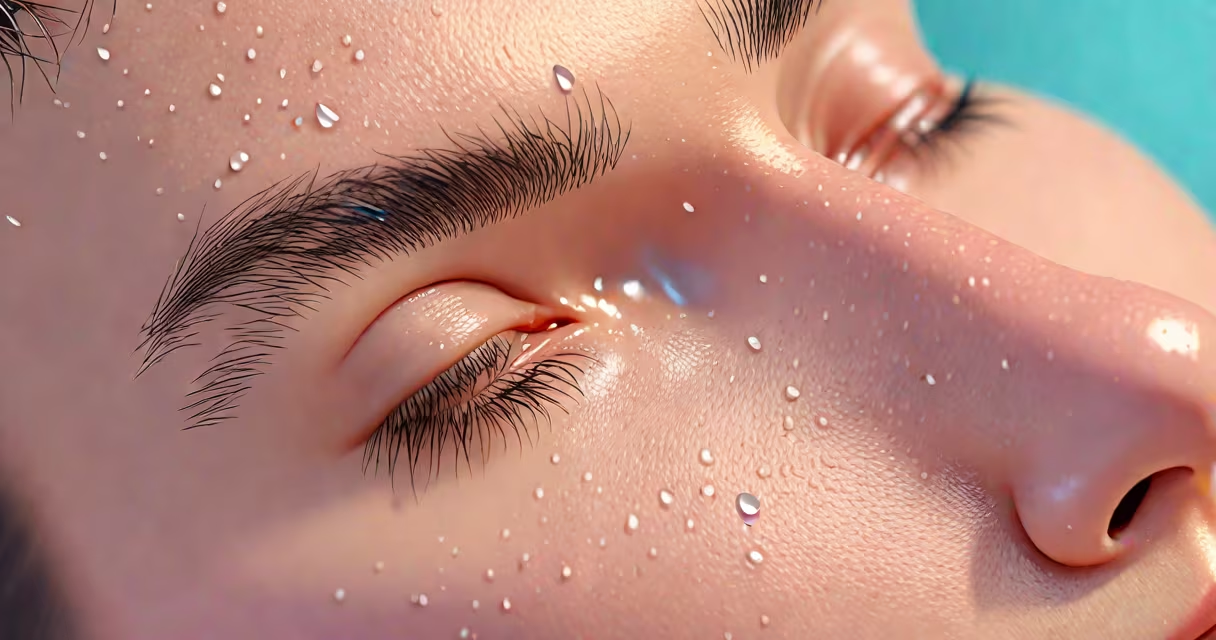
Excessive sweating on the head, especially the forehead and scalp, is often caused by overactive sweat glands triggered by stress, heat, or an underlying medical condition like primary focal hyperhidrosis. This condition affects about 3% of the U.S. population, according to the International Hyperhidrosis Society.
Sweating is a natural process regulated by the sympathetic nervous system. When your body temperature rises or you feel anxious, nerves signal sweat glands-particularly those concentrated in the palms, soles, armpits, and scalp-to release moisture. The scalp contains around 250,000 sweat glands per square inch, making it highly sensitive to triggers.
Primary focal hyperhidrosis is the most common cause of head sweating that occurs without an obvious reason. It typically begins in childhood or adolescence and runs in families. Secondary hyperhidrosis results from another health issue-such as menopause, thyroid disorders, or certain medications-and usually affects the entire body, including the head.
How Excessive Head Sweating Works
Sweat production happens when the hypothalamus detects internal or external stimuli that raise core temperature or trigger emotional responses. Signals travel through the sympathetic nervous system to eccrine sweat glands, which secrete a clear, odorless fluid composed mostly of water, sodium, and potassium.
For people with hyperhidrosis, these signals are amplified. A study published in Dermatologic Surgery found that individuals with primary hyperhidrosis have 60% higher sweat gland activity compared to controls during mental stress tests.
Even mild triggers can set off a cascade. For example, walking into a warm room, speaking in public, or thinking about a stressful event can activate sweat glands on the scalp within seconds. The result is damp hair, shiny skin, and frequent need to wipe the face.
Types and Triggers of Head Sweating
Head sweating falls into two main categories: primary and secondary. Primary cases occur independently and often begin before age 25. Secondary cases arise due to systemic issues and may involve other symptoms like weight loss, night sweats, or fatigue.
| Type | Onset | Common Triggers | Typical Symptoms |
|---|---|---|---|
| Primary Focal Hyperhidrosis | Childhood to early adulthood | Stress, heat, anxiety, caffeine | Localized sweating on scalp, forehead, palms |
| Secondary Hyperhidrosis | Any age, often later life | Menopause, hyperthyroidism, infections, medications | Generalized sweating, night sweats, weight changes |
One non-obvious distinction: head sweating from primary hyperhidrosis rarely produces noticeable odor because eccrine glands don't interact with skin bacteria the way apocrine glands do. If you notice a strong smell, it may indicate secondary causes involving apocrine glands in the scalp's deeper layers.
Common Misconceptions and Mistakes
Many assume head sweating is just "being nervous" or "not managing stress well." But persistent, uncontrollable sweating-even during calm, cool environments-is a sign of a physiological imbalance, not poor mental control.
Another error is self-treating with antiperspirants meant for underarms. These products contain aluminum salts that block sweat ducts-but they're ineffective on the scalp due to hair interference and the thickness of the skin. Applying deodorant to the head can irritate the scalp and worsen inflammation.
A personal observation: I once tried using a clinical-strength antiperspirant on my forehead during a presentation. Within 15 minutes, I developed redness, itching, and flaking. The product wasn't designed for facial skin, and the aluminum chloride concentration burned the surface layer. That experience taught me that targeted treatments are essential.
When to Seek Medical Help
If head sweating interferes with daily activities-like avoiding meetings, wearing dark clothes, or changing shirts multiple times a day-it's time to consult a dermatologist or endocrinologist. The American Academy of Dermatology recommends evaluation if sweating lasts more than six months and disrupts quality of life.
Diagnostic steps include a starch-iodine test (where iodine is applied and then starch to show wet areas) or a paper test measuring sweat volume over time. A 2021 review in Journal of the European Academy of Dermatology and Venereology confirmed that these methods identify hyperhidrosis with over 90% accuracy.
Treatment options include prescription antiperspirants with higher aluminum concentrations, oral medications like glycopyrrolate, iontophoresis (low-current electrical therapy), Botox injections, or even surgery such as thoracic sympathectomy. Botox reduces sweat production by blocking nerve signals and can last 4-6 months per session.
One patient I met had been sweating through her hair daily since college. After a referral to a hyperhidrosis clinic, she received Botox injections targeting the frontal and parietal scalp regions. She reported 80% reduction in sweat within two weeks and hasn't needed retreatment in 14 months.
Management and Prevention
Simple lifestyle adjustments can reduce triggers. Wear breathable fabrics like cotton or moisture-wicking synthetics. Avoid spicy foods, alcohol, and caffeine, which stimulate the nervous system. Keep indoor temperatures below 72°F (22°C) and use fans or air conditioning.
For immediate relief, use absorbent headbands or cooling caps. Some brands offer antimicrobial lining to prevent odor buildup. A 2023 study in Occupational Medicine showed that workers in hot environments who wore cooling headwear reported 35% less perceived sweatiness during shifts.
Remember: excessive head sweating isn't normal. It's a symptom, not a personality trait. Recognizing it as a medical concern allows access to effective solutions. If you've tried over-the-counter products without success, consider consulting a specialist.
Understanding the root cause of why my head sweats so much helps separate myth from medicine. Whether it's a neurological quirk or a treatable condition, proper diagnosis leads to better outcomes.