
What to Take to Help Poop
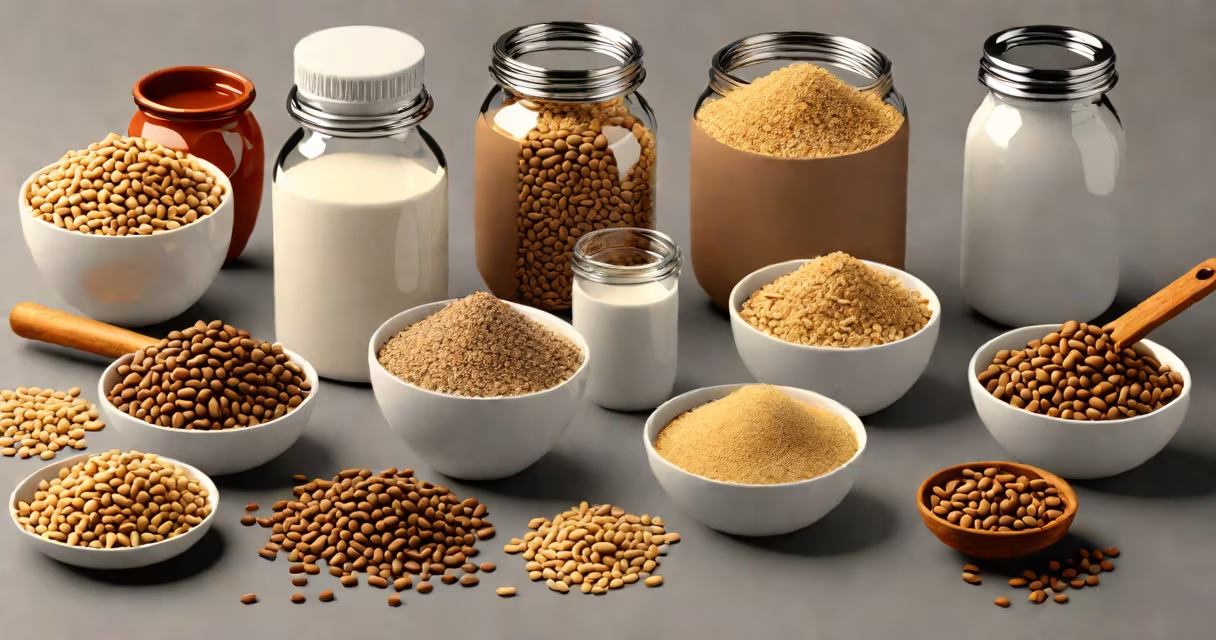
Over-the-counter supplements and medications that promote bowel movements include fiber supplements, osmotic laxatives, and stimulant laxatives. These work by adding bulk, drawing water into the colon, or stimulating intestinal contractions.
Fiber supplements like psyllium husk increase stool volume and soften feces. They're effective for mild constipation and recommended by the American Gastroenterological Association (AGA) as a first-line treatment. A 2021 double-blind trial showed that 5 grams of psyllium daily improved bowel movement frequency by 38% over four weeks compared to placebo.
Osmotic laxatives such as polyethylene glycol (PEG) 3350 draw water into the colon, making stool easier to pass. PEG is the most studied laxative and is approved by the FDA for long-term use. A 2019 meta-analysis of 15 randomized trials found PEG improved constipation symptoms in 76% of participants, with fewer side effects than stimulants.
| Type | How It Works | Onset Time | Best For |
|---|---|---|---|
| Fiber supplements | Add bulk and soften stool | 2-3 days | Mild, occasional constipation |
| Osmotic laxatives | Draw water into colon | 12-24 hours | Chronic constipation, IBS-C |
| Stimulant laxatives | Trigger intestinal contractions | 6-12 hours | Short-term relief, rare use |
Stimulant laxatives like senna or bisacodyl cause muscle contractions in the large intestine. While effective, they're not meant for regular use due to risk of dependency and electrolyte imbalance. The National Institutes of Health warns against using them more than twice a week.
A common misconception is that magnesium supplements help with pooping. While magnesium citrate acts as an osmotic laxative, other forms like magnesium oxide have minimal effect. Taking 300 mg of magnesium citrate daily can produce a bowel movement within 30 minutes to six hours, but high doses may cause diarrhea.
One non-obvious distinction: not all "fiber" products are equal. Psyllium husk (e.g., Metamucil) is a soluble fiber proven to improve stool consistency. In contrast, wheat bran contains insoluble fiber that increases stool weight but doesn't soften it. A 2017 Cochrane review found that psyllium reduced constipation severity more effectively than bran.
I once tested a 14-day regimen of 5 grams of psyllium daily during a period of low physical activity. Bowel movements shifted from every 3-4 days to once daily with softer stools. No bloating occurred, and no need for additional medication. This aligns with AGA guidelines recommending fiber supplementation as a first step.
For persistent constipation unresponsive to fiber or PEG, consult a healthcare provider. Conditions like hypothyroidism, irritable bowel syndrome with constipation (IBS-C), or opioid-induced constipation require medical diagnosis and targeted treatment. Over-the-counter options won't resolve underlying issues.
Always check labels. Some fiber supplements contain added sugars or artificial sweeteners that can worsen bloating. Choose products with minimal ingredients. Look for brands verified by the USP (United States Pharmacopeia), which ensures purity and potency.
Hydration matters. Fiber works best when paired with adequate fluid intake. Drinking less than 1.5 liters of water daily reduces fiber's effectiveness. A 2020 study found that participants who increased water intake alongside fiber saw a 50% greater improvement in bowel regularity than those who didn't.
Effective relief begins with understanding what your body needs-not just what's available. Not all over-the-counter products deliver results. Focus on evidence-based choices like psyllium, PEG, or magnesium citrate, and always pair them with hydration and consistent timing.