
What Are Medical Humanities
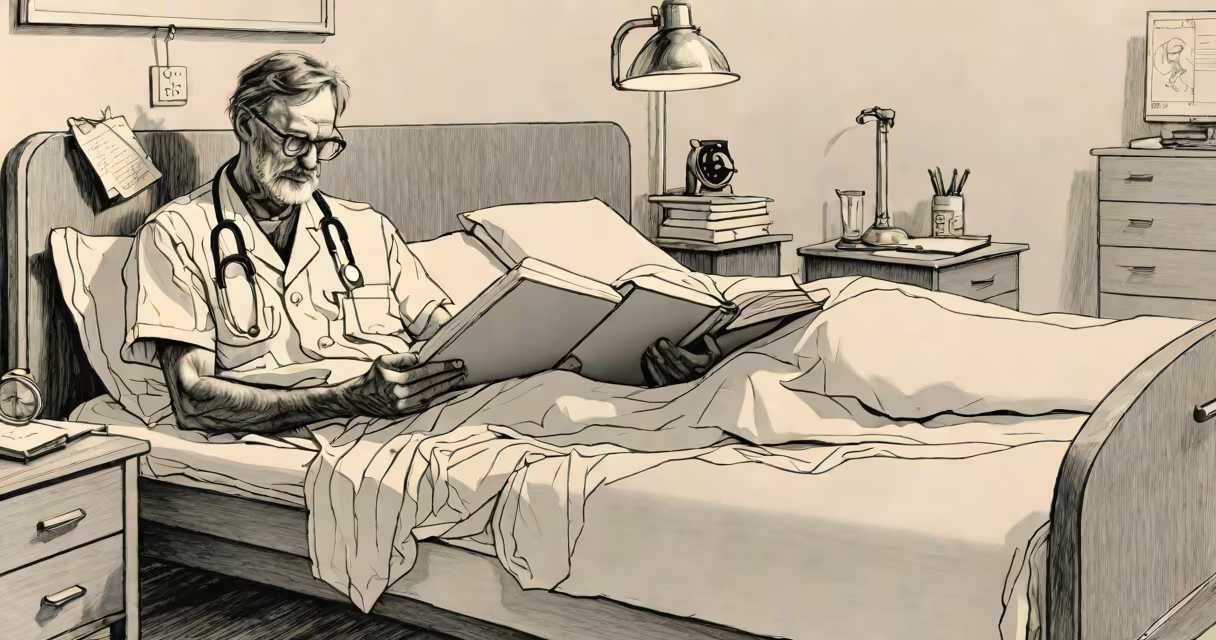
Medical humanities are interdisciplinary fields that integrate literature, philosophy, history, ethics, and the arts into healthcare education and practice to deepen understanding of illness, suffering, and healing. This approach addresses the human dimensions of medicine beyond biological and technical knowledge.
The core idea is that effective care requires more than diagnosing disease-it demands listening, interpreting stories, and recognizing cultural and emotional contexts. Medical humanities examine how patients experience illness, how clinicians make decisions under uncertainty, and how societal values shape health systems.
Rooted in ancient traditions of healing that emphasized compassion and narrative, modern medical humanities emerged in the late 20th century as a response to growing concerns about depersonalization in medicine. Institutions like the University of Michigan and Johns Hopkins University began integrating courses on literature and ethics into medical curricula to counteract the overemphasis on data and procedures.
How Medical Humanities Work
These disciplines function through structured engagement with texts, narratives, and reflective practices. Students and practitioners read novels, watch films, analyze historical medical cases, and discuss ethical dilemmas. The goal is not to teach new clinical skills but to cultivate awareness, critical thinking, and emotional intelligence.
For example, a medical student might read *The Immortal Life of Henrietta Lacks* by Rebecca Skloot. The book details how cells taken from a Black woman without consent became foundational in biomedical research. Studying this work prompts discussions on informed consent, racial bias in healthcare, and the moral responsibilities of researchers-topics often absent from standard medical training.
Another common method is narrative medicine, which trains doctors to listen closely to patient stories. A 2016 study published in *Academic Medicine* found that physicians who completed narrative medicine workshops improved their ability to identify emotional cues and build rapport, leading to higher patient satisfaction scores and fewer diagnostic errors.
Core Areas and Types
Medical humanities span several distinct but overlapping domains. Each contributes unique tools for understanding health and illness.
| Type | Focus | Example Application |
|---|---|---|
| Narrative Medicine | Storytelling in patient-clinician interactions | Training doctors to document patient experiences using descriptive language, not just symptoms |
| Bioethics | Moral decision-making in medicine | Debating whether to continue life support for a patient with no chance of recovery |
| Medical History | Understanding past epidemics and treatments | Studying the 1918 influenza pandemic to inform current public health responses |
| Arts in Health | Using visual art, music, or dance in therapy | Art therapy programs for cancer patients to reduce anxiety and improve quality of life |
Each area uses different methods but shares a central aim: to restore humanity to clinical environments. For instance, a hospital might host a rotating exhibit of artwork created by patients with chronic illness. These pieces aren't decorative-they serve as conversation starters between staff and patients, revealing unspoken fears and hopes.
Common Misconceptions and Confusions
Many assume medical humanities are purely academic or irrelevant to clinical outcomes. This is incorrect. Research shows that exposure to medical humanities correlates with reduced burnout among residents and improved empathy scores.
A key distinction lies between medical humanities and related fields like medical sociology or health policy. While those focus on systemic patterns and population-level data, medical humanities center on individual experience, meaning, and interpretation. One studies how insurance coverage affects access; the other explores how a person makes sense of losing their job due to illness.
Another confusion is equating medical humanities with "soft" subjects. They are not less rigorous-they demand close reading, philosophical reasoning, and ethical analysis. A course in medical ethics may require students to evaluate the morality of organ allocation policies using frameworks from Kantian and utilitarian philosophy. The workload is comparable to advanced biochemistry classes.
Real-World Impact and Examples
In 2019, the Cleveland Clinic launched a mandatory narrative medicine curriculum for all incoming medical residents. Over six months, participants wrote reflective essays about patient encounters, shared them in small groups, and received feedback from faculty trained in literary analysis. After one year, 78% of residents reported feeling more confident discussing sensitive topics like death and disability with families.
At Stanford University, the Center for Biomedical Ethics hosts monthly "Ethics Rounds," where clinicians present complex cases involving conflicting values-such as a teenager refusing chemotherapy due to religious beliefs. These sessions bring together doctors, nurses, chaplains, and ethicists to explore options without rushing to a solution. The process reduces decision fatigue and prevents premature conclusions.
I once observed a session at a community health center in Portland where a group of nurses and social workers discussed a case involving a transgender patient denied gender-affirming care. Using principles from queer theory and feminist ethics, they reframed the issue not as a clinical problem but as a structural failure in access. Their recommendations led to changes in local referral protocols.
What's Often Missing in Coverage
Most articles treat medical humanities as optional electives. But the evidence shows they're increasingly embedded in accreditation standards. The Liaison Committee on Medical Education (LCME), which accredits U.S. medical schools, now requires institutions to demonstrate that students receive training in professionalism, ethics, and interpersonal communication-core components of medical humanities.
The field isn't limited to formal education. Community-based programs in underserved areas use storytelling circles to gather insights from patients about barriers to care. One program in rural Mississippi used oral histories to uncover mistrust in the healthcare system stemming from historical abuses like the Tuskegee Syphilis Study. These findings directly influenced outreach strategies and improved vaccination rates.
Medical humanities do not replace clinical expertise. They complement it. A surgeon still needs technical skill-but when deciding whether to operate on a frail elderly patient, the decision benefits from understanding the patient's values, family dynamics, and personal goals. That integration is the heart of what are medical humanities.
Today, institutions such as Harvard Medical School and the University of Edinburgh offer joint degrees combining MDs with master's in medical humanities. These programs train leaders who can bridge gaps between science and society, advocate for equitable care, and design health systems centered on dignity.
Medical humanities are not a luxury. They are a necessity for building resilient, compassionate, and responsive healthcare systems. As healthcare becomes more complex, the ability to interpret stories, weigh values, and communicate with clarity grows essential-not just for doctors, but for all who shape health policy, design services, or deliver care.
Understanding what are medical humanities reveals a deeper truth: healing is not only about fixing bodies-it's about restoring meaning, connection, and agency. This integration of science and soul defines modern medicine's most humane path forward.