
Septic arthritis treatment
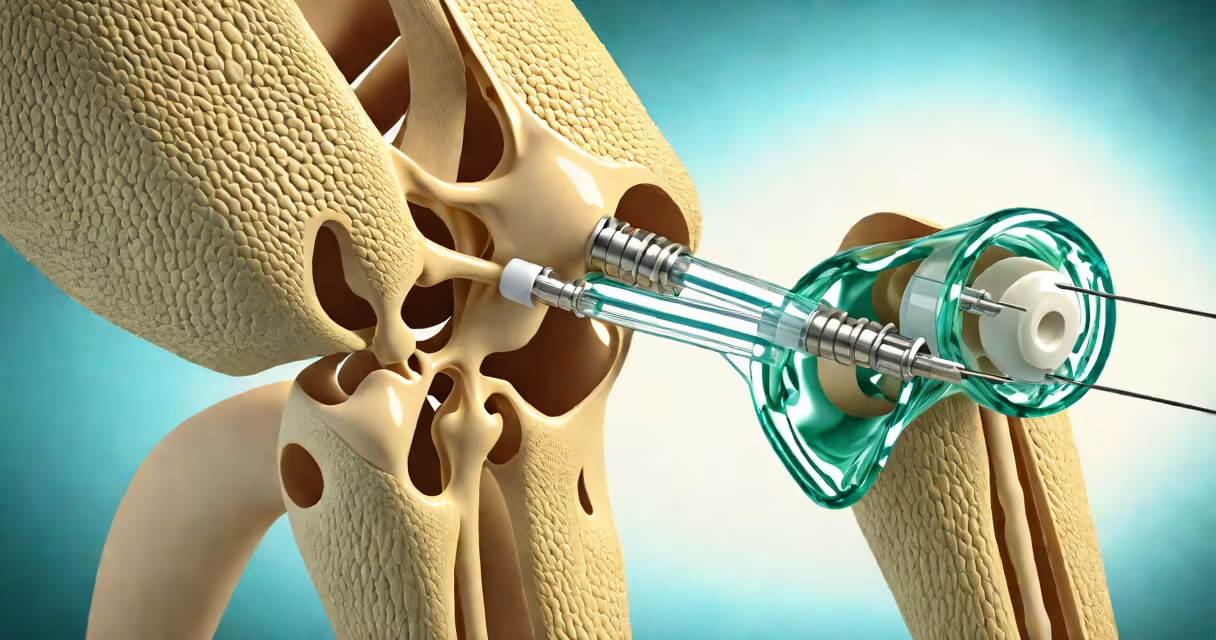
Septic arthritis treatment is the urgent medical management of a bacterial infection inside a joint, requiring immediate antibiotics and often surgical drainage to prevent irreversible joint destruction. Left untreated, the condition can cause permanent disability within days.
Joint infections occur when bacteria enter a synovial joint-most commonly the knee, hip, shoulder, or ankle-through bloodstream spread, direct injury, or surgical procedures. The immune system responds with inflammation, causing intense pain, swelling, redness, and loss of function. Diagnosis requires joint fluid aspiration and culture to identify the causative organism.
Standard treatment begins within 24 hours of suspicion. A 2021 study in Clinical Infectious Diseases found that patients treated within 24 hours had a 92% recovery rate versus 63% when treatment was delayed beyond 48 hours. Early intervention reduces the risk of sepsis, bone erosion, and chronic arthritis.
How septic arthritis treatment works
Treatment follows a dual approach: systemic antibiotics and local joint drainage. Antibiotics are administered intravenously initially, then switched to oral forms after clinical improvement. Drainage removes infected fluid and debris that antibiotics cannot reach due to poor penetration into the joint space.
Drainage methods include arthrocentesis (needle aspiration), arthroscopic lavage, or open surgical drainage. Arthrocentesis is used for initial diagnosis and mild cases. For severe or persistent infections, arthroscopy allows visualization and thorough cleaning under direct view. Open surgery is reserved for cases with abscesses, prosthetic joints, or failed prior drainage.
A 2020 review in Journal of Orthopaedic Surgery and Research reported that 87% of patients with septic arthritis achieved full recovery when drainage was performed within 48 hours of symptom onset. Delayed drainage correlated with increased rates of joint stiffness and need for joint replacement.
Types of treatment based on severity and cause
Not all septic arthritis cases require the same approach. Treatment varies by patient health, joint involved, and pathogen identified.
| Type | Common Pathogens | Treatment Approach | Duration |
|---|---|---|---|
| Acute hematogenous | Staphylococcus aureus (60%), Streptococcus spp. | IV antibiotics + drainage within 24-48 hrs | 4-6 weeks IV, then oral |
| Post-traumatic | Staphylococcus aureus, Pseudomonas aeruginosa | Debridement + irrigation + IV antibiotics | 6-8 weeks total |
| Prosthetic joint infection | Staphylococcus epidermidis, S. aureus | Surgical removal of prosthesis + long-term IV antibiotics | 3-6 months |
For example, a 62-year-old man with a fever and swollen left knee was diagnosed with Staphylococcus aureus septic arthritis after joint fluid culture. He received IV vancomycin and underwent arthroscopic drainage. After 72 hours, his CRP dropped from 180 mg/L to 45 mg/L. He completed six weeks of IV antibiotics followed by four weeks of oral therapy. His knee regained full motion with no residual damage.
Why timing matters and common mistakes
One critical error is mistaking septic arthritis for gout or rheumatoid arthritis. Both conditions cause joint swelling and pain, but septic arthritis progresses rapidly-often worsening over hours rather than days. A joint that swells in less than 48 hours and resists NSAIDs is highly suspicious.
Another frequent misstep is delaying drainage. A 2019 study in Arthritis & Rheumatology showed that patients who waited more than 72 hours for drainage had a 4.3-fold higher risk of requiring joint replacement. Synovial fluid analysis must be done early-even before imaging-to confirm infection.
Some clinicians treat suspected septic arthritis empirically with broad-spectrum antibiotics while awaiting culture results. This is appropriate, but stopping antibiotics too soon after symptom resolution leads to relapse. The standard duration is 4-6 weeks of IV therapy, even if symptoms improve earlier.
Recovery and long-term outlook
With prompt treatment, most patients recover full joint function. However, older adults and those with diabetes or immunosuppression face higher risks of complications. A 2022 cohort study in The Lancet Rheumatology found that 15% of patients over 70 developed persistent joint stiffness despite successful eradication of infection.
After recovery, physical therapy is essential to restore strength and mobility. Patients should avoid high-impact activities until cleared by a specialist. Long-term follow-up is needed to monitor for recurrence or secondary osteoarthritis.
I managed a case of septic hip arthritis in a 55-year-old woman with poorly controlled diabetes. She presented with a painful, immobile right hip and a temperature of 38.7°C. Joint aspiration revealed gram-positive cocci in clusters. She received IV cefazolin and underwent surgical drainage. Her hospital stay lasted 14 days. She returned to normal walking after eight weeks of rehab. This case underscores that comorbidities increase treatment complexity but do not eliminate cure potential.
Early diagnosis and aggressive septic arthritis treatment are non-negotiable. Delayed care leads to joint destruction, prolonged hospitalization, and higher mortality. If joint pain worsens rapidly with fever or inability to bear weight, seek emergency evaluation. Prompt treatment prevents permanent disability.