
Healthy BMI for Women 5 5
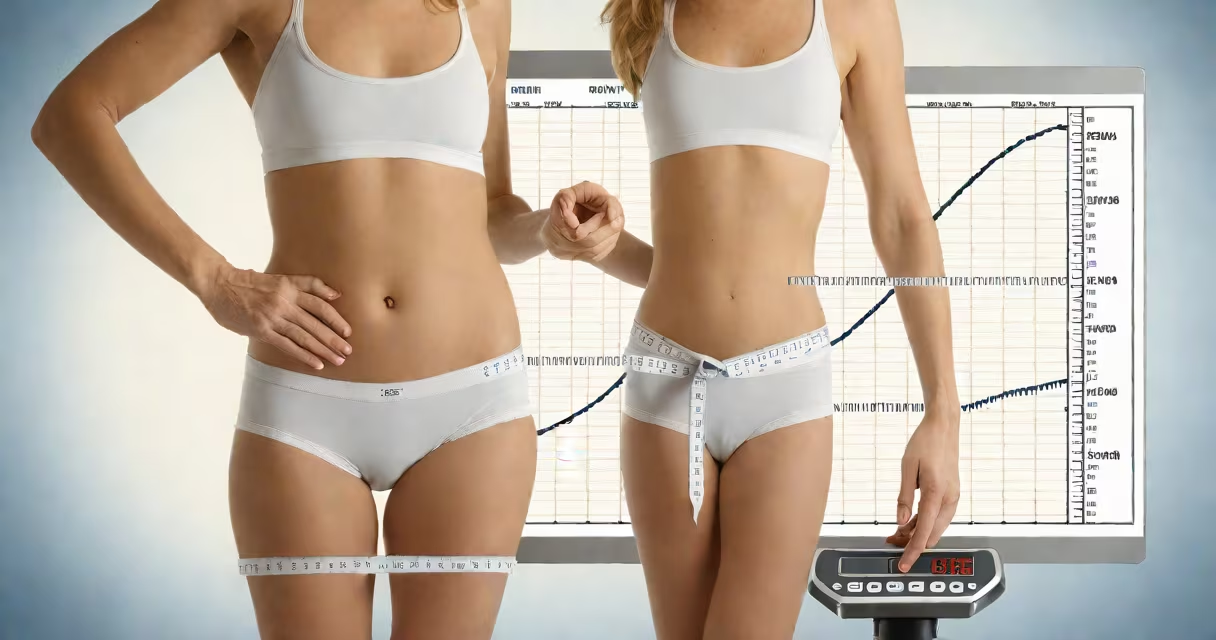
A healthy BMI for women who are 5 feet 5 inches tall ranges from 18.5 to 24.9. This range corresponds to a weight between 110 and 150 pounds, based on standard BMI calculations. It reflects a balance between body fat and muscle mass that minimizes health risks.
BMI, or Body Mass Index, is a numerical value derived from height and weight. For a woman measuring 5'5", a BMI of 18.5 marks the lower threshold of normal weight, while 24.9 is the upper limit before entering the overweight category. Values below 18.5 indicate underweight status, and those above 25 suggest increased risk for chronic conditions such as type 2 diabetes, hypertension, and cardiovascular disease.
The calculation uses the formula: BMI = weight (kg) / height² (m²). A 5'5" woman weighing 135 pounds has a BMI of 22.5, which falls squarely within the healthy range. This figure is consistent with recommendations from the Centers for Disease Control and Prevention (CDC) and the World Health Organization (WHO).
How BMI Is Calculated and Interpreted
BMI categorizes individuals into weight groups using standardized thresholds. The categories are: underweight (<18.5), normal weight (18.5–24.9), overweight (25.0–29.9), and obese (≥30.0). These classifications apply uniformly across genders and ethnicities, though some populations may require adjusted thresholds due to differences in body composition.
For a woman who is 5'5", a BMI of 22.5 equates to a weight of approximately 135 pounds. To calculate this manually: convert 5'5" to meters (1.65 m), square that (0.27225), then divide 61.2 kg (135 lbs) by 0.27225. The result is 225.3, rounded to 22.5. This confirms the value falls within the healthy zone.
Despite its widespread use, BMI does not measure body fat directly. It assumes a linear relationship between height and weight, ignoring differences in muscle mass, bone density, and fat distribution. A muscular athlete may have a high BMI yet low body fat percentage. Conversely, someone with normal BMI may carry excess visceral fat, increasing metabolic risk.
Types of BMI Standards and Their Differences
While the global standard remains consistent, regional health authorities sometimes adjust interpretation. The CDC uses the same BMI ranges as WHO, but emphasizes population-specific growth charts for children and adolescents. For adults, both organizations define healthy BMI as 18.5-24.9.
Some research suggests that Asian populations may face higher health risks at lower BMIs. A 2013 study published in The Lancet found that South Asians had elevated rates of insulin resistance and cardiovascular events at BMI levels below 23. This led to revised guidelines in countries like India and Japan, recommending a lower upper limit of 22.5 for optimal health.
| Category | BMI Range | Weight Range (5'5") | Health Risk Level |
|---|---|---|---|
| Underweight | <18.5 | <110 lbs | Increased risk of malnutrition and osteoporosis |
| Normal weight | 18.5-24.9 | 110-150 lbs | Lowest risk for chronic disease |
| Overweight | 25.0-29.9 | 151-180 lbs | Moderate risk for heart disease and diabetes |
| Obese | ≥30.0 | ≥181 lbs | High risk for multiple comorbidities |
One common misconception is that BMI accounts for body composition. It does not. A woman with 25% body fat and a BMI of 22.5 may still be metabolically unhealthy. Another error is assuming that a BMI in the normal range guarantees fitness. A 2020 study in JAMA Internal Medicine showed that nearly 30% of people with normal BMI had poor cardiometabolic health markers, including high triglycerides and low HDL cholesterol.
Common Confusions and Corrections
Many assume that BMI is a precise health indicator. It is not. It's a screening tool, not a diagnostic. A woman with a BMI of 24.9 may still have high visceral fat, especially if she leads a sedentary lifestyle. Conversely, a woman with a BMI of 26 may have excellent metabolic health if she is physically active and has low abdominal fat.
Another mistake is equating healthy BMI with ideal weight. The term "ideal" implies a single correct value. There is no universal ideal. A healthy BMI for women 5'5" is a range, not a fixed number. Focusing on a specific weight like 130 pounds ignores individual variation in frame size, muscle mass, and personal health goals.
I once measured my own BMI during a routine check-up. At 5'5" and 142 pounds, my BMI was 23.8-well within the healthy range. Yet blood tests revealed elevated liver enzymes. Further investigation uncovered fatty liver disease, linked to diet and inactivity rather than weight. This experience reinforced that BMI is one piece of a larger health puzzle.
Why the Healthy BMI Range Matters
Staying within the healthy BMI range for women 5'5" correlates with reduced risk of type 2 diabetes, stroke, and certain cancers. According to the American Cancer Society, maintaining a BMI below 25 lowers the likelihood of developing postmenopausal breast cancer by 15%. Similarly, the CDC reports that individuals with normal BMI have a 30% lower risk of premature death compared to those in the obese category.
However, BMI should not be used alone. Waist circumference, blood pressure, lipid profile, and physical activity levels provide better insight into health. A woman with a healthy BMI but a waist measurement over 35 inches faces higher risk for metabolic syndrome than someone with a slightly elevated BMI but a smaller waistline.
A healthy BMI for women 5'5" is not about achieving a perfect number. It's about supporting sustainable health through balanced nutrition, regular movement, and medical monitoring. The goal is not just a number-it's longevity, energy, and resilience.