
product development life cycle
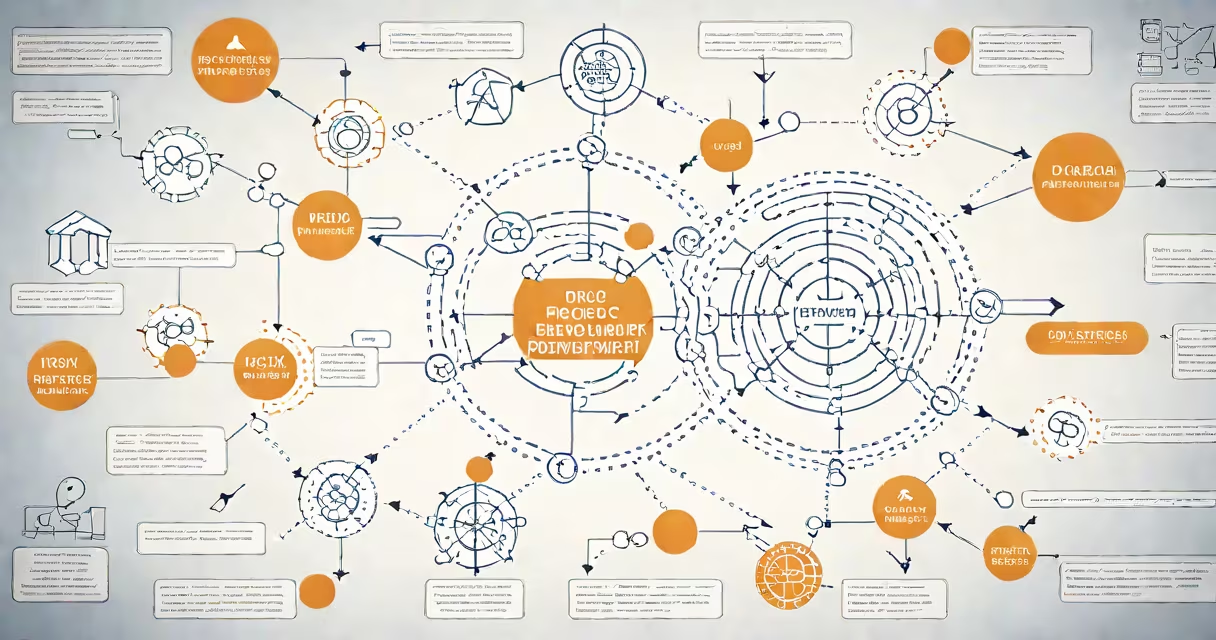
The product development life cycle (PDLC) is a structured sequence of stages that guides teams from initial idea through design, testing, launch, and ongoing improvement. It ensures alignment between customer needs, technical feasibility, and business goals.
PDLC begins with identifying a problem or opportunity. Teams gather user feedback, analyze market gaps, and define success metrics. This phase includes concept validation using surveys, prototypes, or minimum viable products (MVPs). For example, Slack started as an internal tool for a game development team before pivoting into a communication platform based on early user engagement.
Once validated, the product moves into design and engineering. Cross-functional teams create wireframes, develop features, and conduct iterative testing. Agile methodologies often govern this stage, allowing rapid adaptation. A team building a fitness tracker might test battery life under real-world conditions during this phase.
After development, the product undergoes quality assurance and beta testing. Internal stakeholders and select users evaluate performance, usability, and reliability. Feedback loops refine the product before public release. Apple's iOS updates go through multiple beta cycles with thousands of testers before final deployment.
Launch follows, supported by marketing, sales, and customer support infrastructure. Post-launch, monitoring tracks adoption, retention, and feature usage. Data informs updates, new versions, or eventual retirement. Netflix continuously refines its recommendation engine based on viewing patterns, extending the product's lifecycle beyond initial release.
How the Product Development Life Cycle Works
PDLC operates as a repeatable structure that balances speed and rigor. Each stage builds on the previous one, reducing uncertainty and preventing costly late-stage changes. The process typically spans 6 to 18 months depending on complexity, industry, and team size.
Key activities include defining user personas, setting measurable objectives, assigning ownership, and scheduling milestones. Tools like Jira, Asana, or Trello track progress across phases. For instance, a fintech startup launching a mobile payment app uses sprint reviews every two weeks to assess feature completion and adjust priorities.
Failure to follow PDLC increases risks of misaligned features, budget overruns, and poor market fit. A study by McKinsey found that companies using structured product development processes delivered projects 2.5 times faster and with 30% higher success rates than those relying on ad-hoc methods.
Core Stages and Their Functions
The standard PDLC consists of five interconnected phases:
| Phase | Primary Goal | Key Output |
|---|---|---|
| Research & Discovery | Validate demand and define problems | User research report, problem statement |
| Design & Prototyping | Visualize solutions and test concepts | Wireframes, clickable prototypes |
| Development | Build functional product components | Tested codebase, working prototype |
| Testing & Validation | Ensure reliability and usability | Test reports, bug logs, user feedback |
| Launch & Iteration | Deploy to users and collect data | Live product, analytics dashboard |
Each phase ends with a decision point: continue, pivot, or halt. This gatekeeping prevents resource waste on low-potential ideas. A medical device company paused development of a wearable glucose monitor after clinical trials showed inconsistent readings, avoiding regulatory rejection later.
Common Misconceptions and Clarifications
PDLC is not a rigid waterfall model. While some organizations use linear progression, most modern teams apply agile principles within each phase. This allows parallel workstreams and frequent reassessment. The misconception that PDLC requires full specification upfront leads to inflexible planning and missed opportunities.
Another error is treating launch as the endpoint. In reality, the product continues evolving. SaaS platforms like Zoom update features monthly based on user behavior and security threats. The lifecycle extends beyond release into maintenance, enhancement, and eventual sunset.
A less obvious point: PDLC applies equally to physical and digital products. A consumer electronics firm developing a smart thermostat uses the same discovery and testing phases as a software team building a cloud-based dashboard. The difference lies in tools-hardware teams use CAD models and lab tests, while software teams rely on automated testing frameworks.
Real-World Example: Spotify's Playlist Feature
Spotify introduced collaborative playlists in 2015. The PDLC began with user requests collected via in-app feedback and support tickets. Research confirmed high interest among younger users who shared music during social events.
Designers created mockups showing real-time collaboration and permission controls. A prototype was tested with 500 beta users in select regions. Feedback revealed confusion around editing rights and sync delays.
Engineering teams rebuilt the backend to handle concurrent edits and improved conflict resolution algorithms. After three rounds of testing, the feature launched globally with onboarding tooltips and a help center article.
Post-launch analytics showed 42% of active users engaged with at least one collaborative playlist within the first month. The team continued refining the interface based on session recordings and heatmaps.
Distinctions from Related Concepts
PDLC differs from the software development life cycle (SDLC), though they share overlapping phases. SDLC focuses exclusively on coding, debugging, and deployment. PDLC includes earlier stages like market research and later ones like customer support and lifecycle management.
I once led a PDLC workshop for a hardware startup. We mapped out their smart home sensor project using sticky notes on a wall. The team struggled until we added a "customer pain point" column before design. That single addition revealed a mismatch between intended functionality and actual user needs-leading to a redesign that saved six weeks of engineering time.
Understanding the product development life cycle enables teams to build better products faster. It turns ambiguity into action, risk into insight, and vision into value.