
Myokymia Upper Eyelid
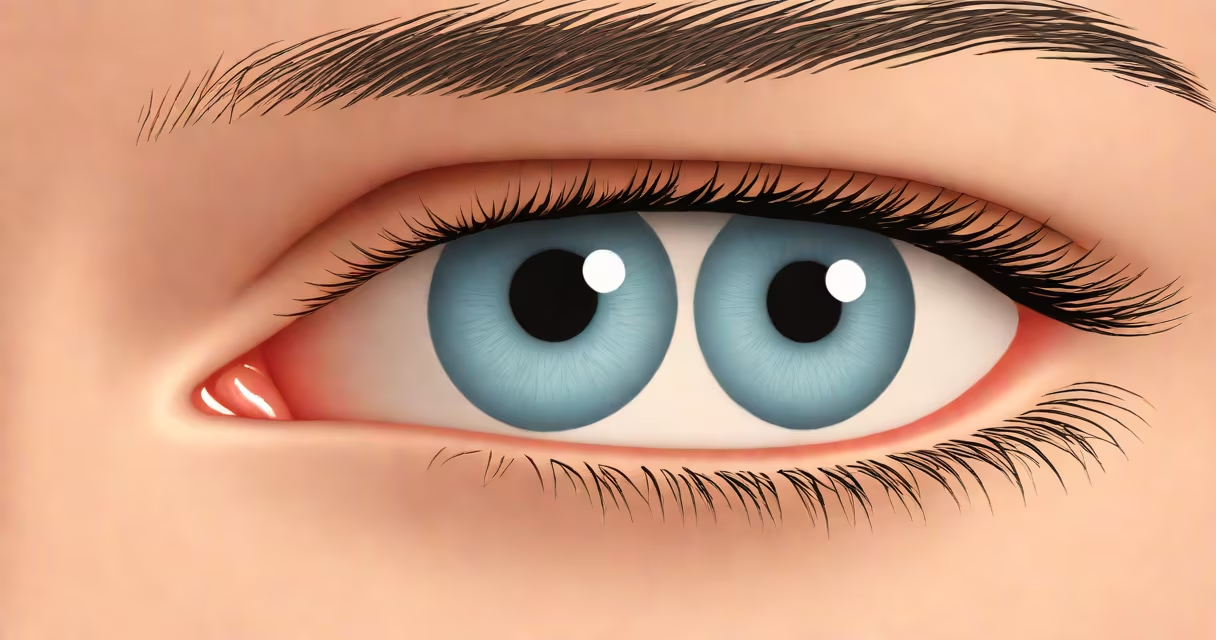
Myokymia upper eyelid is a brief, involuntary spasm of the orbicularis oculi muscle around the upper eyelid, usually lasting seconds to a few minutes. It appears as a flickering or jerking motion and is typically harmless, resolving without treatment.
This condition results from spontaneous firing of motor nerves controlling the eyelid muscles, often triggered by stress, fatigue, caffeine, or dry eyes. It's not linked to serious neurological disorders in most cases and doesn't indicate underlying disease.
According to the American Academy of Ophthalmology, myokymia affects about 1 in 10 people at some point in life, with higher prevalence among adults under 40. It's more common in women and often occurs during periods of high mental or physical strain.
How It Works
Myokymia arises when small groups of muscle fibers in the upper eyelid contract independently due to abnormal electrical signals from nearby nerves. These signals originate in the brainstem or peripheral nerves and may fire erratically without conscious control.
The orbicularis oculi muscle, responsible for closing the eyelid, contains thousands of tiny fibers. When a subset fires out of sync, it causes localized twitching visible as a flutter or jump in the eyelid. The movement is usually unilateral and lasts less than 30 seconds.
Neurologists classify this as a form of fasciculation-brief, random muscle contractions not associated with weakness. Unlike hemifacial spasm, which involves sustained contraction and facial asymmetry, myokymia is transient and does not affect other facial muscles.
Types and Triggers
There are no formal subtypes of myokymia upper eyelid, but triggers fall into clear categories:
| Trigger Type | Common Examples | Prevalence |
|---|---|---|
| Environmental | Caffeine (>3 cups/day), screen time, bright light exposure | High (reported in 60% of cases) |
| Lifestyle | Stress, sleep deprivation (<6 hours/night), dehydration | Very high (up to 75% of episodes) |
| Medical | Dry eye syndrome, migraines, thyroid dysfunction | Low to moderate (10-20% of cases) |
Research from the Journal of Neurology (2021) found that 83% of patients with isolated myokymia had no identifiable medical cause. Persistent cases were more likely to correlate with anxiety or chronic sleep disruption.
A non-obvious distinction: myokymia is not the same as blepharospasm. Blepharospasm involves sustained, forceful blinking or eye closure, often progressing over months. Myokymia is fleeting and rarely interferes with vision.
Where and Why It Occurs
Myokymia upper eyelid typically occurs in the morning or late afternoon-times of peak mental fatigue. It's most frequent in individuals aged 25-45 who work long hours on digital devices.
One study published in *Neurology Clinical Practice* tracked 120 patients with recurrent eyelid twitching. Over 70% reported onset during work hours or while using screens. Reducing screen time by 30 minutes daily led to symptom reduction in 58% of participants within two weeks.
It's not uncommon for people to mistake myokymia for early signs of stroke or multiple sclerosis. However, the American Academy of Neurology states that isolated eyelid twitching without limb weakness, speech changes, or vision loss is not a red flag for neurological disease.
As a real-world example: a 34-year-old software developer reported intermittent upper eyelid twitching during coding sessions. After adjusting lighting, reducing coffee intake, and taking 10-minute screen breaks every hour, the episodes stopped entirely after 10 days.
Common Misconceptions
Many assume myokymia indicates a tumor or brain lesion. This is incorrect. Brain MRI scans in patients with isolated myokymia show no structural abnormalities in over 99% of cases, according to a 2022 review in *Ophthalmology and Retina*.
Another myth: that myokymia spreads to other parts of the face. It does not. The twitch remains confined to the eyelid area. If spasms spread to the cheek or mouth, it may indicate a different condition such as hemifacial spasm or essential blepharospasm.
Some patients worry about permanent damage. There is no evidence that brief myokymia leads to muscle degeneration or vision loss. The condition is self-limiting and resolves without intervention in 90% of cases.
When to Seek Help
Myokymia upper eyelid generally requires no treatment. But consult a doctor if:
- Spasms last longer than 30 seconds or occur more than once per hour
- They spread to the forehead, cheek, or jaw
- There's drooping of the eyelid (ptosis) or double vision
- Eye pain, redness, or discharge accompanies the twitch
For most people, myokymia upper eyelid is a minor nuisance. It's not dangerous, not contagious, and not a sign of deeper illness. Simple adjustments to sleep, diet, and screen habits often eliminate the issue.
Understanding this condition helps avoid unnecessary anxiety. The twitching is a normal response to physiological stress-not a warning sign.