
Movie Office Space
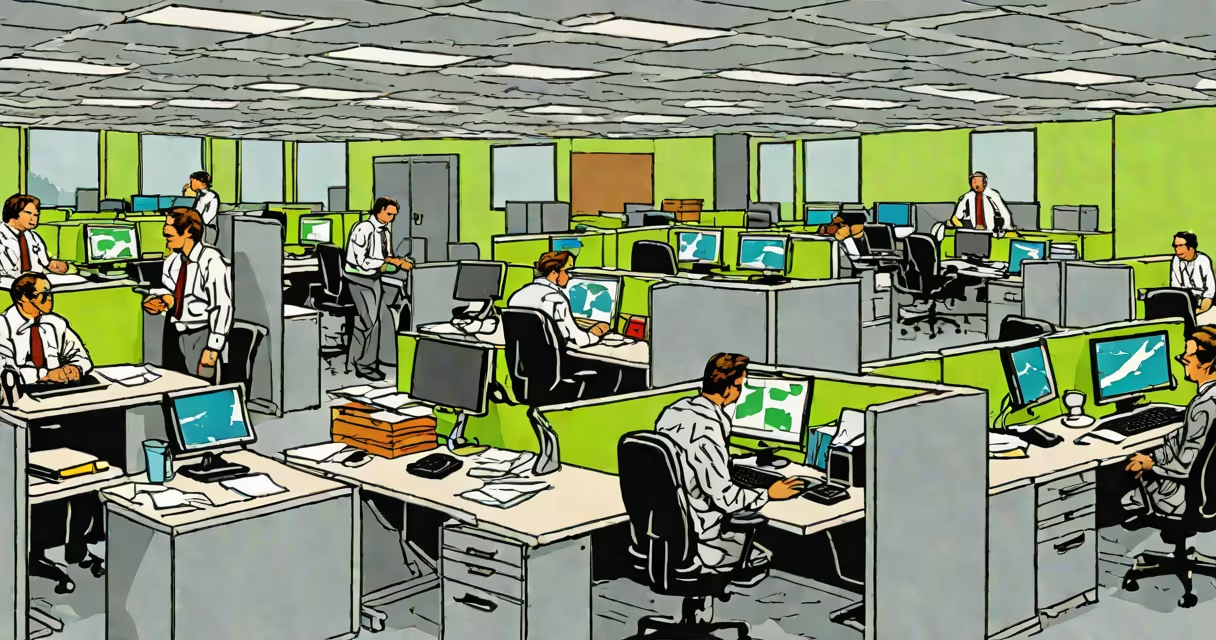
"Movie office space" refers to the 1999 satirical comedy film Office Space, directed by Mike Judge. The film uses a mockumentary format to depict the monotony, absurdity, and emotional toll of corporate life in a generic American office environment. Its portrayal of cubicles, soul-crushing meetings, and passive-aggressive coworkers became a cultural touchstone for anyone who has endured a nine-to-five job.
The film centers on Peter Gibbons, a software engineer whose daily routine is disrupted by a corporate restructuring that threatens his job security. His frustrations manifest in a series of escalating pranks and acts of quiet rebellion, including sabotaging a printer and plotting to steal company assets. The narrative unfolds in a real-world setting-specifically, a suburban office park in Dallas-where the architecture and interior design reinforce the theme of dehumanization.
Production designer Michael W. Smith created the fictional Initech headquarters using actual office buildings in Dallas, including the Texas Instruments campus. The choice of location wasn't incidental: the sterile, beige-toned interiors with endless rows of identical cubicles were meant to reflect the psychological weight of corporate conformity. The film's visual language-flat lighting, low-angle shots of cubicle walls, and close-ups of blinking computer screens-mirrors the sensory overload of modern office work.
How the Film Works: Satire Through Setting
Office Space functions as social commentary disguised as comedy. It doesn't rely on slapstick or exaggerated characters to make its point. Instead, it builds tension through repetition: the same dull tasks, the same unchanging office layout, the same manager who speaks in corporate jargon. This creates a sense of entrapment that resonates with viewers who've experienced similar environments.
One key scene illustrates this: Peter and his coworkers attend a mandatory "team-building" retreat at a hotel. The activity involves walking through a maze while wearing blindfolds. The scene is filmed with wide-angle lenses to emphasize isolation and confusion. The humor arises not from the absurdity of the task itself, but from the fact that such events are treated as serious professional development. This mirrors real corporate training sessions that prioritize process over meaning.
Another example is the infamous printer sabotage. A group of employees, frustrated by a malfunctioning machine, decide to destroy it by overloading it with paper. The act is not violent-it's petty, illogical, and deeply relatable. The printer becomes a symbol of bureaucratic inefficiency. When the machine finally fails, the crew celebrates with a high-five. The moment captures the emotional release that comes from small acts of resistance in oppressive systems.
What It's Made Of: Design, Dialogue, and Cultural Resonance
The film's power lies in its authenticity. Judge based much of the dialogue on real conversations he heard during his time working in tech support. Phrases like "I'm just trying to do my job" and "I don't want to be here" aren't jokes-they're echoes of lived experience. The script avoids caricature. Characters aren't villains; they're trapped.
One non-obvious detail: the film was shot on a tight budget-around $3 million-using existing office spaces and minimal special effects. The lack of polish contributes to its realism. The camera lingers too long on blank walls. The sound design emphasizes ambient noise: keyboards clacking, phones ringing, air conditioning humming. These elements aren't flaws-they're intentional choices that ground the story in physical reality.
Despite its low budget, Office Space earned critical acclaim and a cult following. It was nominated for a Golden Globe for Best Motion Picture - Musical or Comedy and received a 76% approval rating on Rotten Tomatoes. According to Rotten Tomatoes, critics praised its "dry wit and sharp observations about modern work culture." The film's influence extends beyond entertainment-it's cited in academic papers on labor studies and organizational behavior.
Where and Why It's Used Today
Today, Office Space is referenced in business schools, HR training modules, and even mental health counseling. Its scenes are used to illustrate workplace burnout, toxic leadership, and the erosion of personal identity in corporate settings. For example, the character of Bill Lumbergh-a man in a suit who speaks in flat, emotionless tones-is often cited as a prototype for the "faceless executive" archetype.
One specific example: a 2021 study published in the Journal of Organizational Behavior analyzed employee engagement patterns in remote work environments and referenced Office Space to contrast pre-pandemic office culture with current hybrid models. The authors noted that while remote work reduces exposure to physical office spaces, the psychological stressors depicted in the film-such as surveillance, meaningless tasks, and lack of autonomy-persist in digital formats.
For many, watching Office Space is a ritual. It's screened at office parties, used as icebreakers in team meetings, and quoted during performance reviews. The film's enduring relevance stems from its refusal to offer solutions. It doesn't tell viewers how to fix their jobs. Instead, it validates the feeling that something is wrong-and that's often enough.
Common Misconceptions and Corrections
Many assume Office Space is purely a joke about office workers being lazy or incompetent. This misreads the film's intent. Judge has stated in interviews that the movie was not meant to mock employees but to critique the system that demands compliance without purpose. As he told Vulture, "The problem isn't the people. It's the structure."
Another misconception is that the film is outdated because it predates the rise of remote work and gig economies. But the core themes-alienation, lack of control, and the commodification of time-are more relevant than ever. In fact, the film's depiction of a rigid hierarchy and automated workflows foreshadowed modern AI-driven management tools.
A lesser-known fact: the film's title sequence features a rotating cube that morphs into a stack of paper. This animation was created using early 3D software and took weeks to render. The cube represents the transformation of individual identity into a replaceable unit within a system. It's a subtle but useful metaphor that underscores the film's central conflict.
Types of Office Spaces in Film and Media
While Office Space defines a particular kind of corporate satire, other films portray office environments differently. Below is a comparison of common cinematic office archetypes:
| Type | Example Film | Key Features | Thematic Purpose |
|---|---|---|---|
| Corporate Satire | Office Space | Mockumentary style, beige cubicles, passive-aggressive managers | Exposes the futility of bureaucracy and dehumanizing work structures |
| High-Stakes Corporate Drama | The Social Network | Modern glass towers, rapid dialogue, intense competition | Explores ambition, betrayal, and the cost of innovation |
| Utopian Work Environment | Up in the Air | Minimalist offices, frequent travel, emotional detachment | Questions the value of mobility and the erosion of community |
Each type reflects a different view of work. Office Space stands out because it treats the office not as a stage for drama or success, but as a site of quiet resistance. The characters don't dream of promotions-they dream of escape.
I once attended a screening of Office Space at a tech conference in Austin. During the scene where Peter destroys the printer, the entire room erupted in laughter-but not the kind that comes from amusement. It was the laugh of recognition. People leaned forward, eyes wide, nodding. One attendee later told me, "I've done that. Not the destruction part-but the wanting to." That moment confirmed what the film always knew: movie office space isn't just a genre. It's a shared experience.
Office Space remains a defining portrait of modern work life. Its legacy isn't measured in box office numbers but in the way it reframed how we see our desks, our meetings, and our place in the machine. The film didn't invent the idea of the soulless office-but it gave it a name, a face, and a soundtrack.