
What Does Code of Ethics Mean
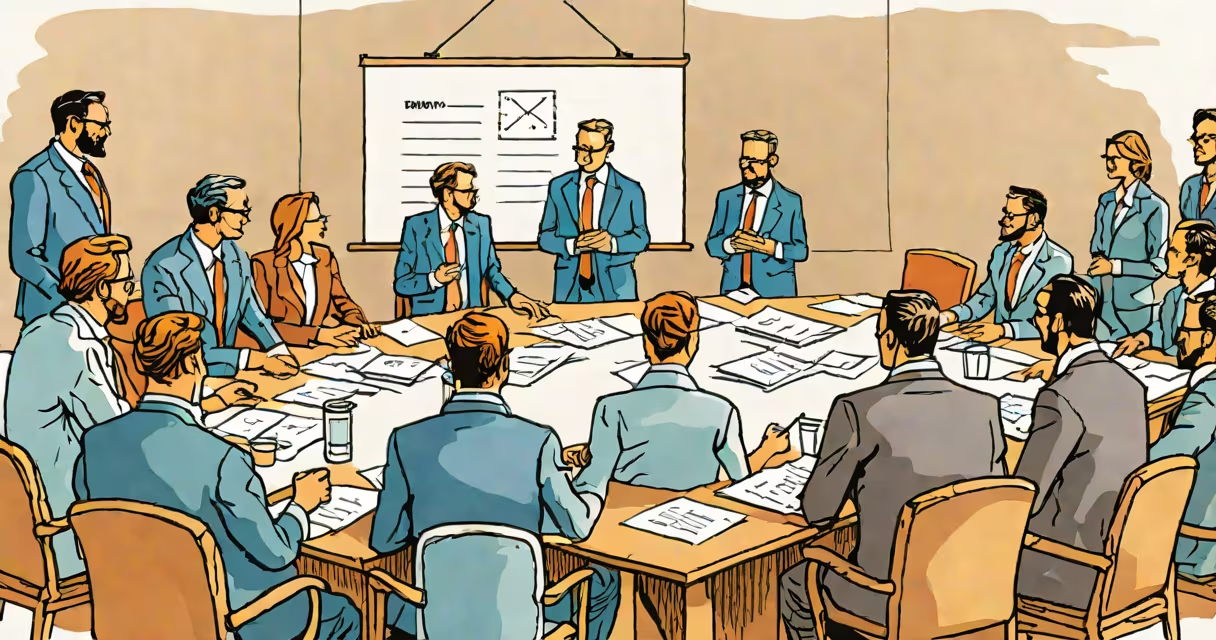
A code of ethics is a formal statement outlining the core values, principles, and behavioral expectations for individuals or organizations in a specific profession or context. It establishes a shared understanding of what constitutes responsible, fair, and honest conduct.
It is not a set of vague ideals but a practical structure used to guide decisions, resolve conflicts, and maintain trust. For example, medical professionals follow the Hippocratic Oath-a foundational code of ethics emphasizing patient welfare above all else. Similarly, engineers adhere to codes that prioritize public safety and environmental responsibility.
These documents are developed through consensus among experts and stakeholders. They are often reviewed and updated regularly to reflect changes in technology, laws, and societal norms. The American Psychological Association's code of ethics, for instance, includes detailed standards on confidentiality, informed consent, and avoiding harm-each backed by research and clinical practice.
How a Code of Ethics Works
When faced with a difficult choice, individuals consult the code to determine the appropriate course of action. It acts as a reference point during disputes, investigations, or policy development. For example, if a software developer discovers a security flaw that could expose user data, the code of ethics would require them to report it-even if doing so delays a product launch.
Codes are enforced through internal review boards, disciplinary committees, or licensing bodies. Violations may result in warnings, suspension, or loss of certification. The National Society of Professional Engineers requires members to report unethical practices under their code, and failure to do so can lead to expulsion from the organization.
A code of ethics does not replace legal compliance. It goes beyond laws by addressing gray areas where the law is silent. A company may legally pay minimum wage, but a code of ethics might require fair wages based on living costs in the employee's region.
Types and Common Elements
While formats vary, most codes share key components:
| Type | Scope | Examples |
|---|---|---|
| Professional | Individual practitioners | AMA Code of Medical Ethics, IEEE Code of Ethics |
| Organizational | Company-wide behavior | Google's AI Principles, Microsoft's Responsible AI Structure |
| Industry-specific | Field-based standards | ACFE Code of Professional Conduct (fraud detection) |
Common themes include honesty, respect, accountability, and transparency. The Project Management Institute's code emphasizes integrity, competence, and responsible stewardship of resources. When project managers face pressure to cut corners, the code directs them to uphold quality and safety standards.
One often-overlooked aspect is the role of whistleblowing. Many codes explicitly protect employees who report misconduct. The Society for Human Resource Management (SHRM) code states that HR professionals must act in the interest of fairness and equity-even when reporting issues involving senior leadership.
Where and Why It's Used
Every major industry uses a code of ethics. In healthcare, it ensures patients receive care free from bias or conflict of interest. In finance, it prevents insider trading and misleading clients. In education, it maintains academic integrity and student privacy.
Consider the case of a teacher who discovers a student plagiarizing work. The National Education Association's code of ethics mandates that the teacher address the issue fairly, document the incident, and follow school policy-not ignore it out of fear of conflict.
Even in tech, where innovation moves fast, codes prevent abuse. When Facebook faced scrutiny over data misuse, the company revised its internal code of ethics to include stronger user privacy protections. This shift wasn't driven by law-it was a response to ethical concerns raised by employees and users alike.
Common Misconceptions and Clarifications
Many people assume a code of ethics is optional or symbolic. That's incorrect. In regulated professions, violating the code can lead to license revocation. The American Bar Association's model rules are binding on licensed attorneys; breaking them can result in disbarment.
Another myth is that codes apply only to leaders. In reality, they govern everyone-from interns to CEOs. A junior analyst at a consulting firm must follow the same ethical standards as the managing partner. The code applies equally because ethical failure at any level damages trust and reputation.
There's also confusion between a code of ethics and a code of conduct. While both guide behavior, the former focuses on values and principles, the latter on rules and procedures. A code of conduct might say "do not use company email for personal matters." A code of ethics explains why: protecting data integrity and preventing misuse of organizational resources.
One non-obvious distinction: codes are not static. They evolve. The IEEE code of ethics was updated in 2022 to include artificial intelligence and algorithmic bias. This reflects growing awareness that technology must serve society equitably. Without such updates, codes become outdated and ineffective.
Real-World Example: The Enron Scandal
In the early 2000s, Enron executives ignored their own code of ethics, which stated that "all business decisions must be made in good faith and with full disclosure." Instead, they engaged in complex accounting fraud to hide losses and inflate stock prices.
When the truth emerged, the company collapsed. Shareholders lost billions. Employees lost jobs. The U.S. government launched criminal investigations. The scandal led to new regulations like the Sarbanes-Oxley Act-but it also exposed how easily ethics can be sidelined when culture overrides principle.
This case shows that a code of ethics only works if it's lived. It must be taught, discussed, and enforced. Enron had a written code, but it wasn't part of daily decision-making. Leadership failed to model ethical behavior, and employees were afraid to speak up.
I once observed a nonprofit board debate whether to accept funding from a donor with a history of environmental violations. The organization's code of ethics required alignment with mission values. After reviewing the code, the board rejected the offer-despite the financial benefit. The decision was difficult, but the code provided clarity.
Final Thoughts
Understanding what does code of ethics mean is essential for anyone working in a professional capacity. It is not a formality. It is a living standard that shapes how decisions are made, how relationships are managed, and how trust is maintained.
When you encounter a situation where the right path isn't obvious, refer to the code. It won't give you a perfect answer-but it will point you toward choices that align with integrity, fairness, and long-term responsibility.