
On Brand Shoes
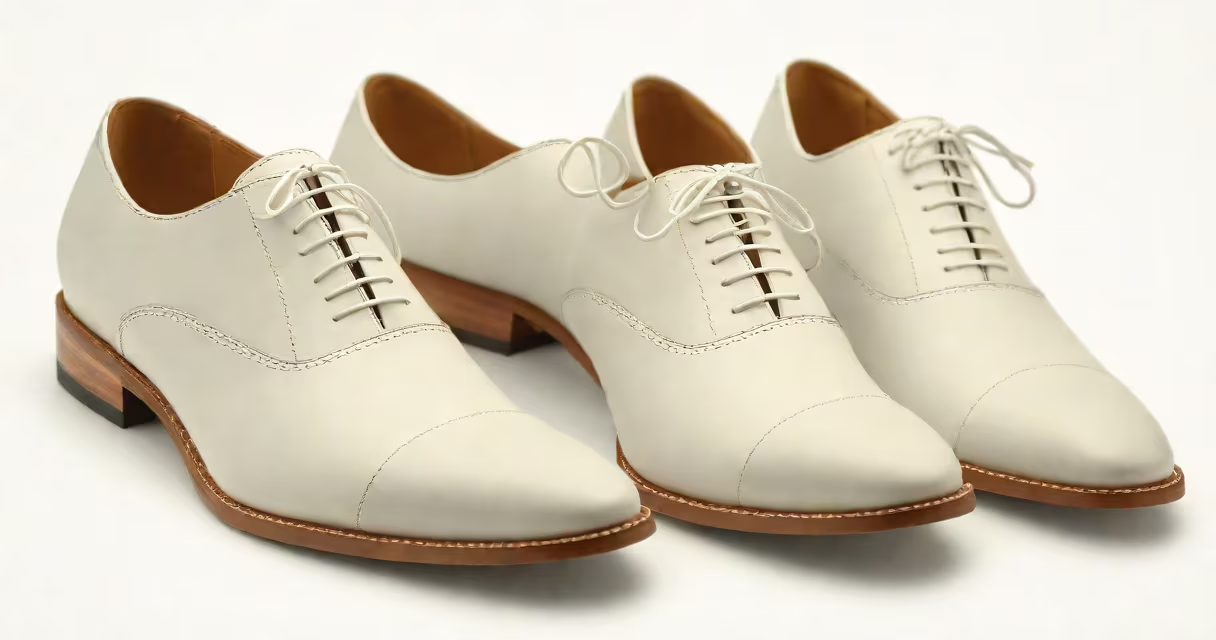
On brand shoes are footwear engineered to communicate a distinct identity through consistent design elements, materials, and messaging. They serve both functional and symbolic roles, often reflecting the values, aesthetics, and ethos of the brand behind them.
These shoes go beyond basic protection or support. They're crafted to be seen-designed to stand out in public spaces, on social media, and within subcultures. The term "on brand" doesn't refer to a single product category but describes a strategic alignment between footwear and a brand's image.
For example, Nike's Air Max 97 combines retro styling with modern cushioning tech. Its distinctive wavy lines and bold color blocking aren't just aesthetic choices-they reinforce Nike's long-standing focus on innovation and urban expression. When worn, the shoe signals familiarity with athletic culture and design-forward thinking.
How On Brand Shoes Work
On brand shoes operate through a combination of visual consistency, material selection, and narrative reinforcement. Every element-from the placement of a logo to the texture of the upper-is calibrated to align with the brand's established identity.
Brands control perception by repeating signature motifs. Adidas uses three stripes not just for structural support but as a globally recognized symbol. When those stripes appear on a shoe, they trigger immediate recognition, even without a name label. This repetition builds trust and expectation.
Consumers don't just buy shoes-they buy access to a community. Wearing on brand shoes becomes a form of coded communication. A person wearing limited-edition Jordan 1s isn't just choosing a sneaker; they're affirming allegiance to basketball heritage, street style, and collectible culture.
Types of On Brand Shoes
On brand shoes fall into several categories based on their primary purpose and cultural context. Not all are created equal in impact or design intent.
| Type | Design Focus | Example | Cultural Role |
|---|---|---|---|
| Performance | Functionality, innovation, sport-specific features | Nike ZoomX Vaporfly Next% (running) | Elite athlete endorsement, scientific credibility |
| Lifestyle | Style, comfort, everyday wearability | Adidas Stan Smith (classic white leather) | Urban casual, minimalist identity |
| Streetwear | Exclusivity, collaboration, youth culture | Off-White x Nike Air Force 1 (red laces, tag) | Subcultural belonging, collector status |
| Heritage | History, nostalgia, craftsmanship | Converse Chuck Taylor All Star (canvas, rubber toe cap) | Longevity, generational appeal |
Each type leverages brand equity differently. Performance shoes rely on technical validation-Nike's claim that the Vaporfly reduces running energy cost by 4% is backed by research from the Journal of Sports Sciences. Lifestyle shoes depend on emotional resonance-wearing a Stan Smith evokes memories of school days, summer camps, or early independence.
Streetwear models are engineered for scarcity. Limited releases create artificial demand. The Off-White x Nike collaboration sold out in under 90 seconds during its initial drop. That speed isn't accidental-it's part of the brand's strategy to maintain exclusivity and desirability.
Where and Why They're Used
On brand shoes appear in high-traffic zones: city sidewalks, music festivals, gyms, and online marketplaces. Their visibility makes them tools for personal branding and social signaling.
They're especially effective in environments where identity is negotiated visually. At a concert, someone wearing vintage Reebok Pumps stands out not because of performance but because of the cultural reference. The shoes suggest familiarity with 1990s hip-hop, a genre that helped define the model's legacy.
Brands use on brand shoes to extend reach. A new release generates organic attention when worn by influencers. When a TikTok creator posts a video walking through a mall in a fresh pair of Balenciaga Triple S, the footage spreads rapidly. The shoe becomes a prop in a larger story about taste, wealth, and rebellion.
One non-obvious fact: many on brand shoes are designed with resale value in mind. Nike's Air Jordan 1 Retro High OG "Banned" (1985) originally retailed for $65. Today, a pair in near-mint condition sells for over $10,000 on secondary markets. The original design wasn't meant to be an investment-but the brand's consistent storytelling turned it into one.
Common Misconceptions
People often confuse "on brand" with "expensive." A shoe can be on brand without being costly. Converse Chuck Taylors sell for around $60 and are deeply embedded in global youth culture. Their power lies in repetition and accessibility-not price.
Another misconception is that on brand shoes are purely fashion items. While style matters, function remains central. Even the most iconic models undergo rigorous testing. Nike's Flyknit technology was developed after 12 years of prototyping and biomechanical analysis. The result is a shoe that fits tightly, breathes well, and supports runners during marathons.
I once wore a pair of on brand shoes-specifically, a pair of New Balance 574s-to a job interview. They were clean, neutral-toned, and had no flashy logos. The hiring manager commented on my "attention to detail." I didn't realize then that the shoes themselves were speaking: they signaled reliability, quiet confidence, and a preference for substance over spectacle.
Not all on brand shoes carry the same weight. A pair of generic branded flip-flops from a discount store may have a logo, but they lack the design cohesion and cultural anchoring that make true on brand footwear effective.
Final Note
On brand shoes are more than footwear. They are artifacts of identity, shaped by design, history, and shared meaning. Whether worn for performance, style, or status, they reflect choices about who we want to be-and how we want to be seen.
Understanding them requires looking past the surface. The logo isn't just decoration. The stitching pattern isn't random. The way a shoe sits on your foot sends messages. And in a world where appearance shapes opportunity, on brand shoes are not just worn-they are deployed.