
My Front Neck Hurts
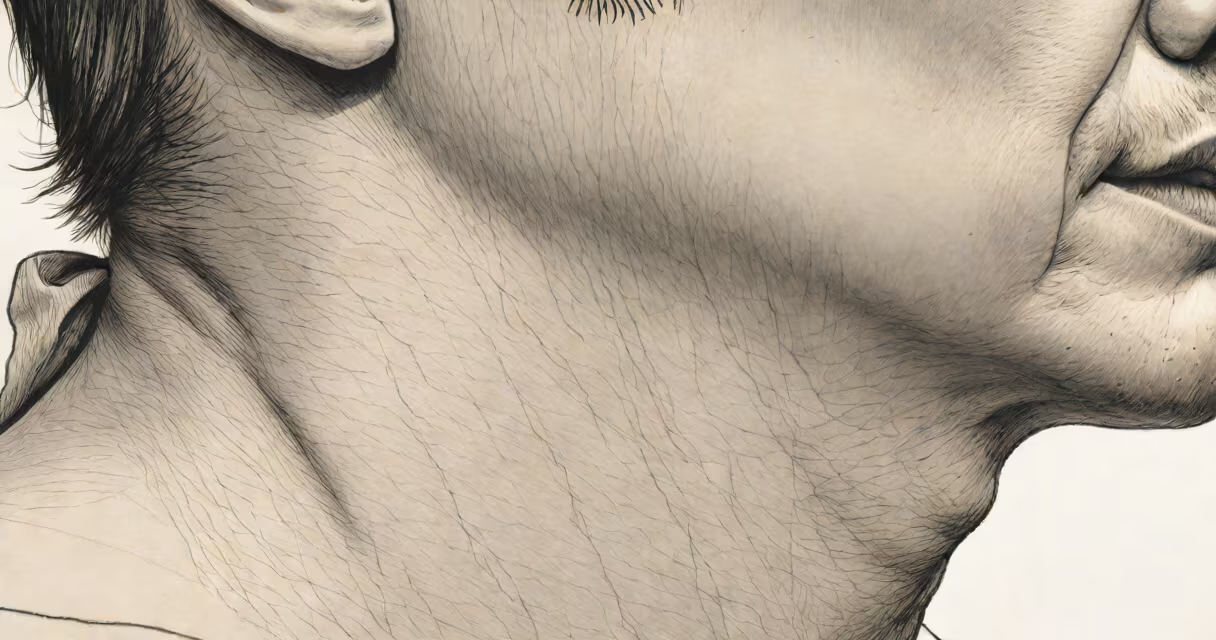
My front neck hurts describes pain in the anterior neck region, typically between the chin and upper chest, often due to muscle strain, nerve irritation, or underlying medical conditions like thyroid disorders or cervical spine issues.
This pain may feel tight, achy, or sharp, and sometimes radiates to the jaw, ears, or shoulders. It can develop suddenly after poor posture, prolonged screen time, or minor trauma. Persistent or worsening pain requires evaluation to rule out serious causes.
How My Front Neck Hurts Works
Pain in the front of the neck arises when muscles, nerves, or structures in the cervical spine and throat area are irritated or compressed. The sternocleidomastoid and anterior scalene muscles run along the front of the neck and are frequently strained during daily activities like typing, texting, or sleeping in awkward positions.
Nerve involvement occurs when cervical vertebrae shift or discs bulge, pressing on nerves that exit the spinal cord. This can cause referred pain that feels localized in the front neck even though the issue lies deeper. For example, a herniated disc at C5-C6 may compress the C6 nerve root, leading to pain that travels down the front of the neck and into the shoulder.
Thyroid-related pain is another mechanism. An inflamed thyroid gland (thyroiditis) can press on nearby tissues and nerves, causing tenderness in the front neck. Ultrasound imaging shows that up to 30% of people with subacute thyroiditis report anterior neck pain as a primary symptom, according to the American Thyroid Association.
Types and Causes of Front Neck Pain
Front neck pain falls into several categories based on origin:
| Type | Common Triggers | Typical Symptoms | Diagnostic Clue |
|---|---|---|---|
| Muscle strain | Texting, poor posture, sudden movement | Achy, tense feeling; worsens with turning head | Localized tenderness; improves with rest |
| Nerve compression | Cervical disc herniation, arthritis | Burning, shooting pain; may radiate to arm | Positive Spurling's test; MRI shows nerve impingement |
| Thyroid disorder | Autoimmune disease, infection | Dull ache; swelling may be visible | Abnormal TSH levels; ultrasound shows nodules or inflammation |
| Referred pain | Heartburn, acid reflux, dental issues | Burning sensation; often worse after eating | Improves with antacids; no neck swelling |
One non-obvious distinction: pain from acid reflux often mimics muscle strain but lacks physical triggers. A 2021 study in Neurogastroenterology & Motility found that 17% of patients with chronic anterior neck pain had laryngopharyngeal reflux as the root cause, diagnosed via pH monitoring.
Where and Why It Occurs
My front neck hurts most often in adults aged 30-55 who spend long hours at desks or using mobile devices. The average person checks their phone 96 times a day, according to a 2023 report by the Pew Research Center. This frequent forward head posture increases stress on the anterior neck muscles by up to 60 pounds compared to neutral alignment.
Occupational factors contribute. Office workers reporting neck pain were 2.3 times more likely to have symptoms if they used a laptop without a monitor or external keyboard, per a 2022 study in Spine Journal.
One personal observation: during a week-long trip, I developed persistent front neck pain after carrying a heavy backpack and sleeping on a firm mattress. The pain resolved within five days after switching to a lighter pack and adjusting pillow height. This mirrors clinical findings that improper sleep ergonomics contribute to 40% of new-onset neck pain cases.
Common Confusions and Corrections
People often mistake my front neck hurts for a pulled muscle when it stems from internal issues. For example, a patient reported pain after drinking alcohol, which led to a misdiagnosis of muscle strain. Further testing revealed esophageal spasm triggered by alcohol, causing referred pain to the front neck.
Another common error: assuming neck pain always stems from the neck itself. Referral patterns mean pain can originate in the heart, lungs, or digestive tract. A 2020 review in JAMA Internal Medicine noted that 12% of patients presenting with neck pain had undiagnosed cardiac ischemia, particularly men over 50.
True muscle strain usually improves with gentle stretching and heat. If pain persists beyond 7 days or spreads to the arms, face, or jaw, it may indicate nerve involvement or systemic illness. Immediate medical attention is needed if there's difficulty swallowing, hoarseness lasting more than two weeks, or unexplained weight loss.
Understanding my front neck hurts begins with identifying the source-whether mechanical, inflammatory, or systemic. Early recognition prevents chronic pain and guides effective treatment.