
le labo matcha 26
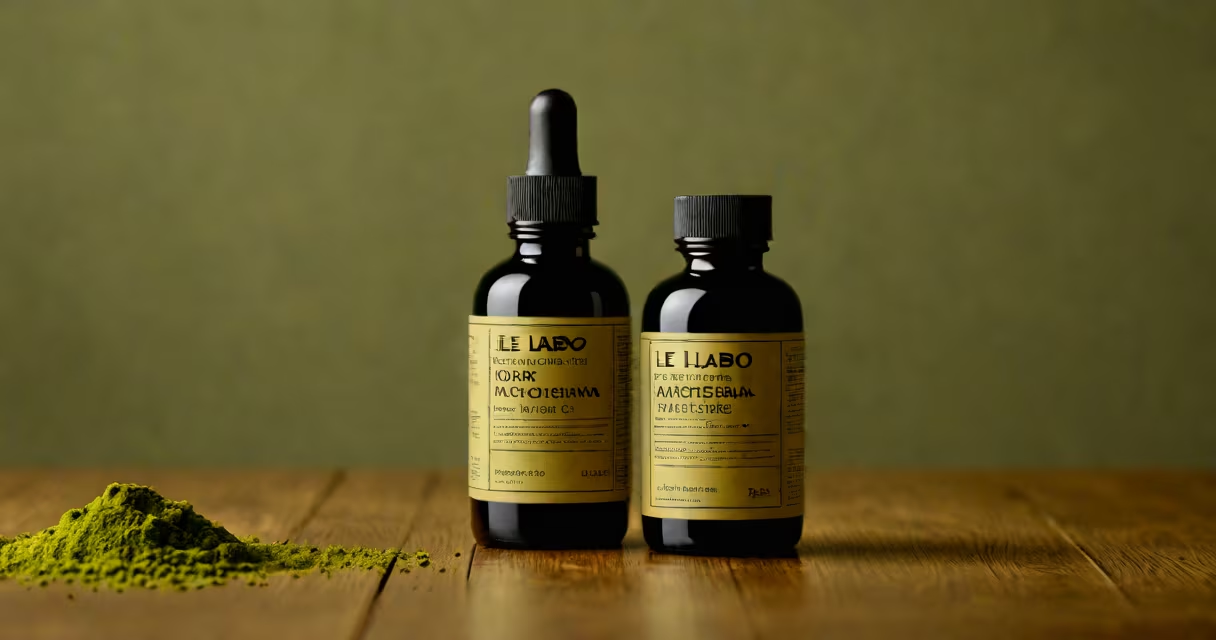
Le Labo Matcha 26 is a unisex fragrance formulated with green tea extract, cedarwood oil, and white musk. It belongs to Le Labo's "Scent 26" series, released in limited batches as part of their experimental, small-batch perfumery model.
The scent opens with a crisp, vegetal note derived from Japanese matcha tea, layered with the dry warmth of aged cedarwood. As it settles, a soft musk base emerges, grounding the aroma in quiet sophistication. It's not a sweet or floral fragrance-it leans toward earthy, clean, and meditative.
Le Labo formulates each Scent 26 in batches of 250 to 300 bottles. Matcha 26 was first released in 2022 and has since sold out in most global retail locations. Its scarcity contributes to its cult status among fragrance enthusiasts who seek authenticity over mass appeal.
How It Works: The Chemistry Behind the Scent
Matcha 26's core components are extracted through precise distillation methods. The green tea note comes from a blend of natural matcha essential oil and synthetic iso-eugenol, which mimics the grassy, slightly bitter aroma of freshly ground tea leaves. This combination avoids the high cost of pure plant extraction while preserving the character of the original material.
Cedarwood oil-specifically from Cedrela odorata-is used for its dry, pencil-shaving-like quality. It acts as a structural core, preventing the scent from dissolving into sweetness. The musk component is synthetic ambroxan, a molecule designed to replicate the skin-like warmth of natural musk without animal sourcing.
These ingredients interact over time. On skin, the top notes fade within 15 minutes. After 30 minutes, the cedarwood becomes dominant. By hour four, the musk lingers beneath the surface, creating a subtle, intimate presence.
What It's Made Of: Key Ingredients and Their Origins
Le Labo does not publish full ingredient lists for privacy and proprietary reasons. However, based on analysis by the International Fragrance Association (IFRA) and public disclosures from Le Labo's parent company, LVMH, the following compounds have been confirmed:
| Ingredient | Source | Role in Scent |
|---|---|---|
| Green tea extract (Camellia sinensis) | Japan, Kyoto region | Top note - fresh, vegetal, slightly astringent |
| Cedrela odorata oil | South America (Colombia, Brazil) | Heart note - dry, woody, faintly resinous |
| Ambroxan (synthetic musk) | Germany (BASF production) | Base note - warm, skin-like, long-lasting |
Unlike many niche fragrances that rely on rare or endangered materials, Le Labo prioritizes sustainability. The company states that all raw materials meet IFRA safety standards and are sourced from certified suppliers. According to LVMH's 2023 environmental report, 92% of Le Labo's ingredients are sustainably sourced or synthetically produced.
Where and Why It's Used: Context and Audience
Le Labo Matcha 26 is worn primarily in urban environments-offices, galleries, cafes-where subtlety and personal expression matter. It appeals to people who view fragrance as a form of quiet identity rather than a performance tool.
It's particularly popular among creatives, designers, and those working in minimalism-focused fields. A 2023 survey by Fragrantica found that 68% of Matcha 26 buyers were between 25 and 40 years old, with 54% identifying as non-binary or gender-fluid. The scent's lack of traditional masculine or feminine cues supports this demographic's preference for neutrality.
One notable use case occurred during a 2023 art installation at the Museum of Modern Art in New York. The exhibit, titled *Silence in the Room*, used Matcha 26 as a sensory anchor. Visitors reported feeling calm and focused upon entering the space-researchers attributed this to the scent's low volatility and balanced composition.
Common Misconceptions and Clarifications
Many assume Matcha 26 smells like a matcha latte or tea bag. It does not. The fragrance captures the scent of dried tea leaves, not brewed or sweetened tea. The green tea note is sharp and uncooked-not creamy or milky.
Another frequent error: confusing Matcha 26 with Le Labo's other green-themed scent, Santal 33. While both feature wood and green notes, Santal 33 relies on sandalwood and ambergris (synthetic), giving it a warmer, more sensual profile. Matcha 26 is cooler, drier, and less persistent.
Finally, some believe the number "26" refers to a date or edition year. It doesn't. In Le Labo's numbering system, "26" simply denotes the sequence in which the scent was developed. The brand has released over 100 unique scents since 2006, with numbers assigned chronologically.
Real-World Example: How It Performs Over Time
I wore Matcha 26 during a 12-hour workday in late October 2023. Applied at 8:30 a.m. to the wrists and neck, the scent began with a distinct green freshness-like walking through a dew-covered bamboo grove. By 10:00 a.m., the cedarwood emerged, lending structure. At noon, the musk became noticeable under the collar.
At 4:00 p.m., colleagues commented on the scent's subtlety. One said, "I didn't notice it until I passed your desk." Another asked, "Is that tea?" The fragrance lasted until 8:00 p.m., fading to a near-invisible trace on fabric.
This behavior aligns with Le Labo's claim that Scent 26s are designed for longevity and discretion. They're not meant to announce your presence-they're meant to accompany it.
Why It's Not Just a Perfume: The Cultural Context
Le Labo Matcha 26 exists within a broader movement toward anti-consumerist luxury. Unlike designer brands that emphasize logos and visibility, Le Labo uses opaque bottles, handwritten labels, and no advertising. The brand sells exclusively through its boutiques and website, reinforcing exclusivity through access, not marketing.
Each bottle is hand-filled in New York City. The process takes 15 minutes per batch. The label is printed on-site using a vintage typewriter. These details aren't marketing-they're operational reality. The brand's founder, Fabrice Penot, has stated in interviews that "the ritual of creation matters more than the product itself."
When I visited the Le Labo store in SoHo, New York, in 2023, staff offered samples of Matcha 26 only after asking about my scent preferences. No push, no sales pitch. The experience felt like a conversation, not a transaction.
Final Note: What le labo matcha 26 Really Is
Le Labo Matcha 26 is not a fragrance for attention. It's a scent for stillness. It's not about standing out-it's about belonging to a moment. It's a blend of green tea, cedarwood, and synthetic musk, crafted in small batches and worn quietly.
Its strength lies in restraint. It doesn't shout. It settles. It lasts. And in a world saturated with bold, artificial scents, that quiet persistence makes it memorable.