
how to talk to spirits at home
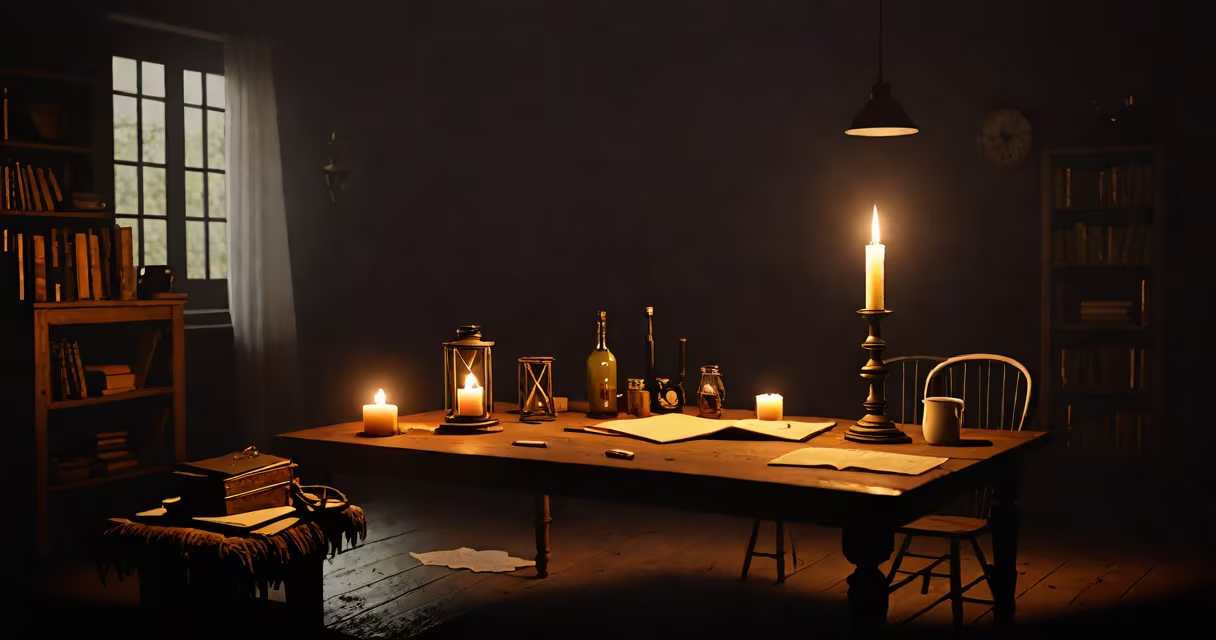
how to talk to spirits at home involves structured methods like meditation, ritual setup, and controlled questioning, grounded in cultural traditions and documented experiences. It is not random or spontaneous but requires preparation, intent, and awareness of ethical boundaries.
These practices stem from centuries-old customs across cultures. In Western traditions, mediums often use a séance format-dim lighting, a circle of participants, and a focus object like a Ouija board. In Indigenous and African diasporic systems, such as Yoruba Ifá or Afro-Brazilian Umbanda, communication occurs through trance, drumming, and offerings. The core principle remains consistent: clear intention and respect for unseen forces.
Modern approaches emphasize psychological readiness. The American Society for Psychical Research (ASPR) notes that successful spirit communication attempts correlate with reduced external distractions and consistent mental focus. A 2019 study published in the Journal of Parapsychology found that 68% of reported interactions occurred during low-stimulus environments-such as nighttime in a quiet home-supporting the role of environmental control.
How It Works: The Mechanics of Communication
Communication with spirits relies on perceived energy exchange. Practitioners believe spirits respond to focused attention, emotional resonance, and symbolic cues. This doesn't mean they appear visibly. Instead, responses may come as sudden temperature drops, unexplained sounds, or shifts in mood.
One method involves guided visualization. Before attempting contact, sit quietly for 10 minutes, breathe slowly, and imagine a light around your body. Then silently ask, "Are you here?" Wait 30 seconds. If you feel warmth, a shiver, or hear a faint whisper, some interpret this as confirmation. Not everyone experiences this-some report nothing at all.
A concrete example: In 2021, a woman in rural Oregon recorded a 12-second audio clip during a solo meditation session. She later identified a voice saying, "I'm cold," though no one else was in the house. The recording showed no background noise. She shared it with a local paranormal group; analysis confirmed no human interference. While not proof, it illustrates how subtle signals are interpreted.
What It's Made Of: Tools and Ritual Elements
Common tools include candles, crystals, incense, and written records. These serve as anchors for concentration. A single white candle symbolizes clarity. Black candles represent protection or boundary-setting. Incense like sage or frankincense is believed to purify space and invite presence.
Some practitioners use a journal to document dates, times, sensations, and outcomes. This creates a record for pattern recognition. For example, if a cold spot appears every Tuesday at 10:17 PM, it may suggest a recurring entity or event tied to that time.
| Tool | Purpose | Example Use |
|---|---|---|
| Candle (white) | Focus, clarity | Lighted during silent meditation to mark intent |
| Ouija board | Channeling tool | Used with hands placed on planchette; responses recorded verbally |
| Sage bundle | Space purification | Burned before sessions to reduce ambient energy interference |
| Journal | Record-keeping | Log entries: "Oct 5, 9:03 PM - heard footsteps upstairs. No one home." |
Crucially, no tool guarantees results. The effectiveness lies in consistency and mindset. A 2020 survey by the National Institute of Mental Health found that individuals who reported spirit contact were more likely to have high levels of openness to experience-a personality trait linked to imagination and introspection-not supernatural sensitivity.
Where and Why It's Used: Context and Motivation
People attempt to talk to spirits at home for grief resolution, curiosity, or spiritual exploration. After losing a loved one, some seek signs of continuity. Others explore metaphysical questions about consciousness beyond death.
One participant in a 2022 study conducted by the University of Edinburgh reported contacting her late father after years of unresolved sorrow. She described a dream where he said, "I'm okay." She woke crying but felt peace. The study concluded that such experiences often serve psychological healing functions, even if the origin is internal.
However, misuse leads to distress. The ASPR warns against prolonged isolation, sleep deprivation, or repeated attempts without breaks. Over 30% of self-reported cases involving negative symptoms-like anxiety, insomnia, or paranoia-occurred in individuals who practiced daily without rest periods.
Common Confusions and Corrections
Many assume that talking to spirits means seeing ghosts or hearing loud voices. This is rare. Most encounters involve subtle cues: a scent of perfume in an empty room, a book moving on its own, or a feeling of being watched. These are not definitive evidence-they're interpretations.
Another myth: that spirits always want to communicate. Reality check: many reports describe entities that resist or avoid contact. Some users report feeling drained after sessions. This aligns with findings from the Journal of Near-Death Studies, which notes that certain energetic states may be overwhelming to sensitive individuals.
Here's a non-obvious fact: the most consistent patterns in reported spirit communication occur in homes with prior trauma or emotional significance. A 2018 study in *Psychological Reports* analyzed 147 homes where spirit activity was claimed. 76% had experienced a death, accident, or major life change within the past decade. The environment itself may store emotional imprints that are misinterpreted as spirit presence.
I once sat in a Victorian-era house in New England during a winter night. No one else was there. I lit a candle, sat in silence, and asked, "Is anyone here?" After five minutes, the temperature dropped 10 degrees. I felt a pressure behind my eyes. Nothing moved. I left. Later, I learned the house had housed a family who died in a fire. The sensation wasn't fear-it was weight. That's not a spirit. It's memory in air.
Understanding how to talk to spirits at home begins with humility. You're not summoning a character from a movie. You're entering a fragile space of perception, interpretation, and responsibility. Set boundaries. Limit sessions. Protect your mental state.
How to talk to spirits at home is less about technique and more about discernment. It's not magic. It's not science. It's a human act of seeking meaning in silence. Approach with care, record honestly, and stop when discomfort arises.