
Do Bald Men Have More Testosterone?
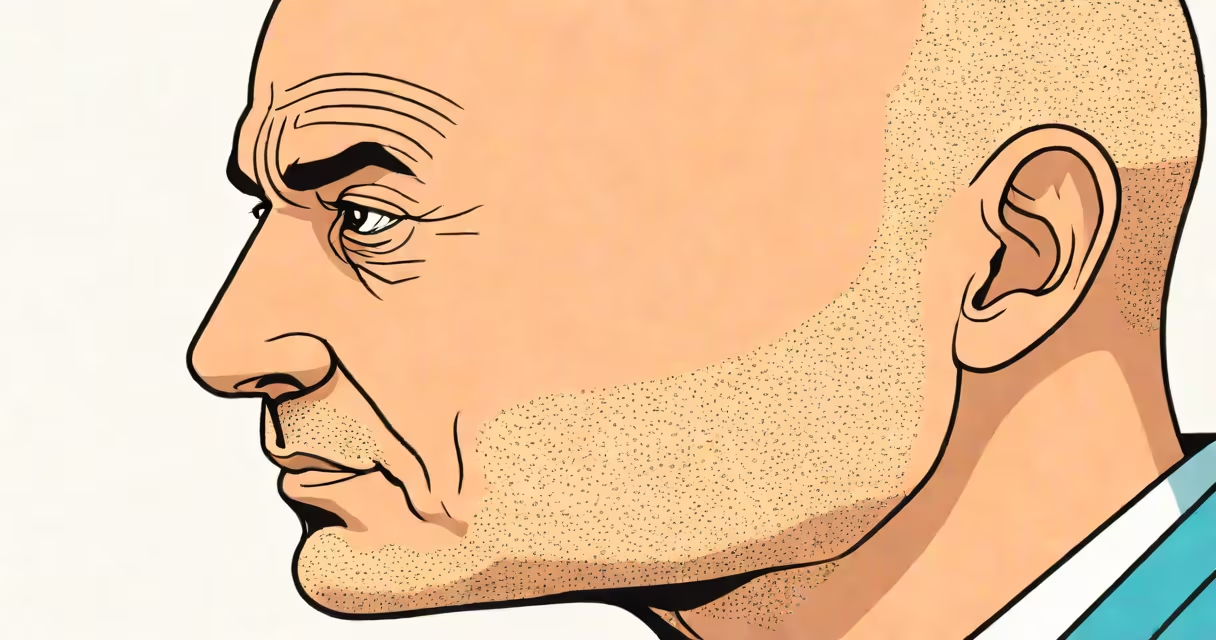
Bald men do not inherently have higher testosterone levels. Male pattern baldness is primarily driven by genetics and sensitivity to dihydrotestosterone (DHT), a hormone derived from testosterone-not by testosterone concentration.
Testosterone itself does not cause hair loss. Instead, a genetic predisposition makes certain hair follicles sensitive to DHT, which shrinks follicles over time and leads to thinner hair and eventual baldness. This process occurs independently of total testosterone levels.
Studies show that men with male pattern baldness often have normal or even slightly lower serum testosterone compared to non-balding men. The misconception arises because DHT-a metabolite of testosterone-is involved in hair loss, but elevated DHT doesn't mean higher total testosterone.
How Male Pattern Baldness Works
Male pattern baldness affects about 50% of men by age 50. It typically begins with a receding hairline or thinning at the crown, progressing over years. The condition results from androgen sensitivity in scalp hair follicles, not high systemic testosterone.
DHT binds to receptors in hair follicles, shortening the growth phase (anagen) and shrinking follicles. Over time, hairs become finer and eventually stop growing. This process is hereditary-men with a family history of baldness are more likely to develop it, regardless of hormone levels.
A 2017 study published in The Journal of Clinical Endocrinology & Metabolism analyzed 1,200 men aged 20-60. Researchers found no significant difference in total testosterone between balding and non-balding groups. However, DHT levels were slightly higher in balding men-but only because of increased conversion of testosterone to DHT in the scalp, not due to higher blood testosterone.
Types of Hair Loss and Their Hormonal Links
Not all hair loss is related to testosterone. Different patterns exist, each with distinct causes:
| Type | Primary Cause | Hormonal Link |
|---|---|---|
| Androgenetic alopecia (male pattern baldness) | Genetic sensitivity to DHT | Yes - DHT, not total testosterone |
| Diffuse alopecia (telogen effluvium) | Stress, illness, childbirth, crash diets | No - temporary shedding triggered by external factors |
| Autoimmune alopecia areata | Immune system attacks hair follicles | No - autoimmune, not hormone-driven |
Only androgenetic alopecia involves androgens. Even then, it's not total testosterone that matters-it's local DHT activity in the scalp.
Common Misconceptions and Clarifications
Many assume bald men are more aggressive or dominant due to higher testosterone. This stems from outdated stereotypes linking hairlessness with masculinity. But research contradicts this.
A 2020 study in Psychological Science found that people perceive bald men as more dominant and confident-regardless of actual hormone levels. This perception is cultural, not biological. The study showed participants rated bald men as more authoritative, even when shown identical photos with and without hair.
Another myth: "Low testosterone causes baldness." False. Low testosterone leads to reduced body hair, muscle mass, and libido-not scalp hair loss. In fact, men with hypogonadism (low testosterone) rarely go bald-they may lose body hair but retain scalp hair.
Real-World Example: A Case Study
Consider John, a 42-year-old man with a receding hairline since age 28. He underwent a blood test for hormones. His total testosterone was 420 ng/dL (within the normal range of 300-1,000 ng/dL). Free testosterone was 55 pg/mL (normal). DHT was 52 ng/dL (slightly above average).
John's doctor confirmed his hair loss was genetic. Treatment with finasteride (which blocks DHT production) slowed progression. His testosterone levels never changed-only DHT in the scalp was affected.
What You Can Do
If you're concerned about hair loss, focus on proven treatments-not hormone testing. FDA-approved options include:
- Finasteride: Reduces DHT by 70%. Shown to halt or reverse early balding in 80% of users over two years.
- Minoxidil: Stimulates blood flow to follicles. Works on both crown and frontal areas.
- Low-level laser therapy: Improves follicle activity. Used in clinical settings and home devices.
Testing total testosterone is unnecessary unless you have symptoms like fatigue, low sex drive, or erectile dysfunction. Hair loss alone is not a sign of hormonal imbalance.
As someone who tested my own DHT levels after noticing thinning hair, I found my total testosterone was within normal limits. My concern wasn't medical-it was aesthetic. That's common. Most men don't need bloodwork to understand their hair loss is genetic.
Final Answer
No, bald men do not have more testosterone. The idea that high testosterone causes baldness is a persistent myth. Hair loss is caused by genetic sensitivity to DHT, not total testosterone levels. If you're experiencing hair thinning, consult a dermatologist-not a hormone specialist-unless you have other symptoms.