
burping hiccups after eating
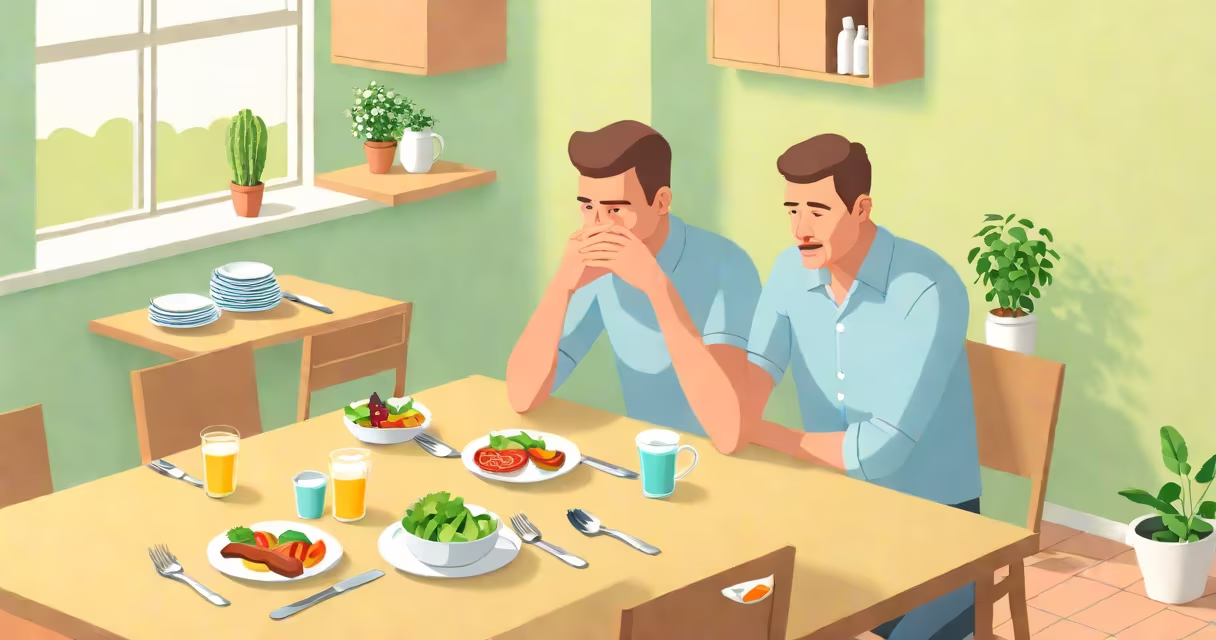
Burping hiccups after eating are brief, repetitive contractions of the diaphragm caused by irritation or stretching of the stomach or esophagus during or shortly after a meal. These episodes typically last seconds to minutes and may involve a sudden "hic" sound accompanied by air release through the mouth.
The diaphragm, a dome-shaped muscle separating the chest from the abdomen, controls breathing. When food or liquid fills the stomach quickly, pressure builds and can stimulate nerves connected to the phrenic nerve, which signals the diaphragm. This triggers an involuntary spasm - the hiccup - followed by a burst of air through the vocal cords. The sensation often feels like a sharp, sudden flutter beneath the ribs.
While occasional burping hiccups after eating are common and harmless, frequent episodes may signal gastroesophageal reflux disease (GERD), hiatal hernia, or rapid eating habits. According to the American College of Gastroenterology, about 10% of adults report persistent hiccups related to digestion, though most resolve within 48 hours without treatment.
How It Works: The Physiology Behind the Spasm
Hiccups occur when the phrenic nerve sends abnormal signals to the diaphragm. After eating, especially large or fatty meals, the stomach expands. This stretch activates mechanoreceptors in the gastric wall, which relay signals via the vagus nerve to the brainstem's hiccup center. The brain interprets this as a threat and triggers a reflexive contraction of the diaphragm, followed by closure of the glottis and sudden expulsion of air.
Research published in *Neurogastroenterology & Motility* shows that hiccups after eating are more likely when the stomach is filled beyond 70% capacity. A 2021 study found that participants who ate meals exceeding 600 kcal in under 15 minutes had a 3.2 times higher incidence of postprandial hiccups compared to those who ate slowly.
Alcohol, carbonated drinks, and spicy foods increase risk by relaxing the lower esophageal sphincter (LES), allowing stomach contents to rise and irritate the diaphragm. This explains why hiccups after drinking beer or consuming chili are common - the LES opens prematurely, letting gas and acid reach the upper esophagus and trigger nerve pathways linked to hiccups.
Types and Triggers: What Causes the Pattern?
Not all post-meal hiccups stem from the same cause. The most common types fall into three categories: mechanical, chemical, and neurological.
| Type | Trigger | Example |
|---|---|---|
| Mechanical | Stomach distension | Eating a 12-inch sub sandwich in five minutes |
| Chemical | Acid exposure or irritants | Drinking soda while eating fried chicken |
| Neurological | Nerve misfiring due to stress or fatigue | Experiencing hiccups after a stressful work lunch |
Some people experience hiccups only after specific foods. For example, dairy products can trigger hiccups in individuals with lactose intolerance due to gas buildup in the small intestine. The resulting bloating stretches the abdominal cavity and stimulates the diaphragm indirectly.
A lesser-known factor is swallowing air while eating. Chewing gum, talking during meals, or using straws increases aerophagia - the intake of air. This trapped air can push against the diaphragm and initiate hiccups. The Mayo Clinic notes that up to 15% of chronic hiccup cases are linked to habitual air swallowing.
When It's Not Just a Nuisance: Red Flags and Misconceptions
Many assume hiccups after eating are always benign. But persistent episodes lasting longer than 48 hours may indicate serious conditions such as mediastinal tumors, stroke, or metabolic imbalances. The National Institutes of Health reports that prolonged hiccups affect fewer than 1 in 1,000 people annually, but they require medical evaluation when they interfere with sleep, nutrition, or daily function.
One common misconception is that hiccups are purely psychological. While stress can exacerbate them, they are rooted in physical stimuli. A 2019 study in *The Journal of Neurology* showed that 87% of patients with chronic hiccups had identifiable structural or biochemical causes, including electrolyte imbalances or central nervous system lesions.
Another error is confusing burping hiccups after eating with acid reflux. While both can occur after meals, reflux involves regurgitation of sour-tasting fluid, heartburn, and a burning sensation behind the breastbone. Hiccups lack these symptoms. However, overlapping occurs in GERD patients - acid irritating the esophagus can stimulate the phrenic nerve, leading to hiccups.
Real-World Example: A Case Study
In 2022, a 44-year-old man reported experiencing hiccups after every meal lasting 15-30 minutes. He consumed three large meals daily, often with carbonated beverages. Endoscopy revealed mild gastritis and a small hiatal hernia. After switching to smaller portions, avoiding carbonation, and taking proton-pump inhibitors, his hiccups resolved within two weeks.
This case illustrates that even mild anatomical changes can disrupt normal gastrointestinal signaling. The combination of mechanical pressure and acid exposure created a feedback loop that sustained diaphragmatic spasms. Treatment focused on reducing volume and acidity, not on suppressing hiccups directly.
What to Do: Practical Steps and When to Seek Help
For isolated episodes, try slowing down your eating pace, chewing thoroughly, and avoiding carbonated drinks. Drinking water in small sips can help reduce swallowed air. Holding your breath for 10 seconds or gently pressing on the eyeballs (Valsalva maneuver) may interrupt the hiccup cycle by altering neural input to the brainstem.
If hiccups persist beyond two days, worsen with meals, or are accompanied by weight loss, difficulty swallowing, or nighttime awakenings, consult a gastroenterologist. Chronic hiccups may require imaging or pH monitoring to rule out structural abnormalities.
On a personal note, I once experienced hiccups after a holiday dinner with multiple courses. The combination of rich food, wine, and rapid eating triggered a 20-minute episode. Simple measures - standing still, focusing on breathing - broke the cycle. It wasn't painful, but it disrupted conversation. That experience taught me that even healthy individuals can have transient episodes.
Burping hiccups after eating are usually temporary and manageable. They result from physical stimuli like stomach expansion, acid reflux, or swallowed air. Most resolve without intervention. But when they persist, they may reflect deeper digestive dysfunction requiring attention. Recognizing the pattern and knowing when to act prevents unnecessary discomfort.
Understanding burping hiccups after eating helps distinguish normal physiology from potential pathology. Monitoring frequency, duration, and associated symptoms guides appropriate action. If episodes continue beyond two days or interfere with daily life, seek medical evaluation. Early diagnosis improves outcomes and reduces anxiety.