
What Fair Trade Means
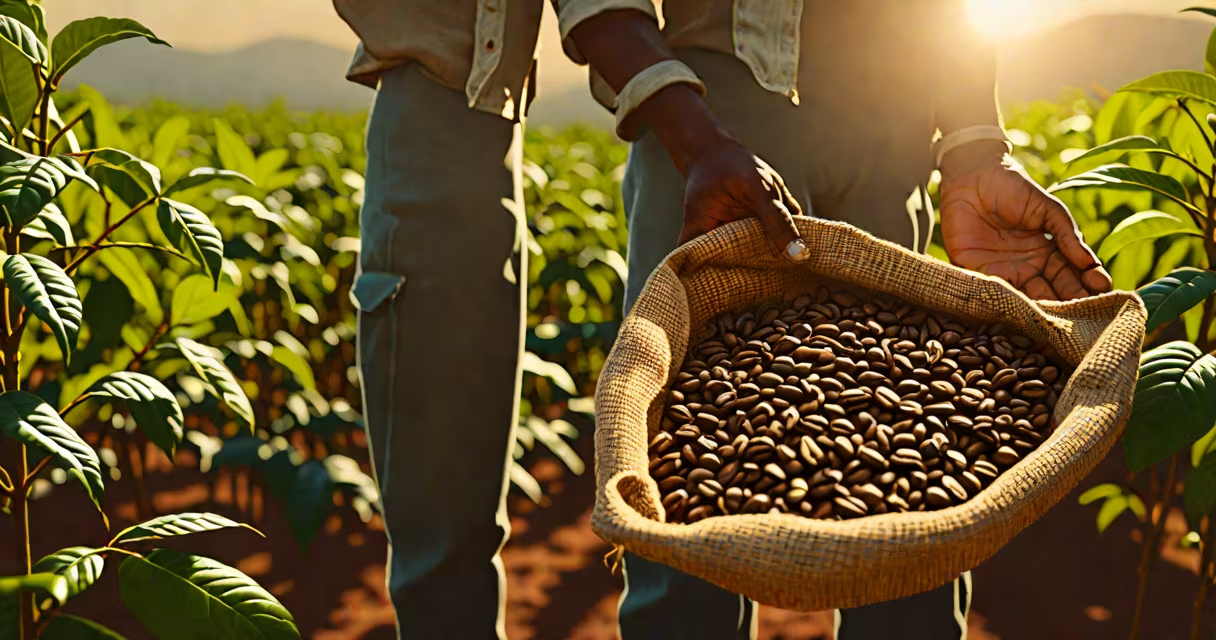
Fair trade means a system of international commerce that guarantees farmers and artisans in low-income countries receive fair prices, safe labor conditions, and direct access to markets-cutting out exploitative middlemen. It's rooted in verified standards, not goodwill.
The core idea is simple: producers shouldn't bear the risk of volatile market prices while buyers profit from sudden drops. Instead, fair trade sets minimum prices and premium payments for social projects. For example, a smallholder coffee grower in Guatemala earns at least $1.40 per pound-well above the commodity price during downturns-and an extra $0.20 per pound goes to community funds for schools or clean water.
According to Fairtrade International, over 1.8 million farmers and workers across 70 countries are part of certified fair trade networks. These groups must meet strict criteria, including no child labor, gender equity, and environmental protection. The certification process involves third-party audits-not self-reporting.
How It Works: From Farm to Shelf
When a product carries a fair trade label-like the Fairtrade Certified logo or the Rainforest Alliance seal-it means every step from harvest to retail has been independently verified. A coffee roaster in Portland buying beans from a cooperative in Ethiopia must confirm the cooperative paid its members fairly and used sustainable farming methods.
Each transaction includes a "minimum price" floor. If the global market price falls below that level, the buyer pays the higher floor price. This protects farmers from sudden income collapse. During the 2017 coffee crisis, when prices dropped to $1.05 per pound, fair trade cooperatives still received $1.40, preventing widespread debt and migration.
After meeting the minimum price, the cooperative receives a "fair trade premium"-usually $0.10 to $0.20 per pound. This money is voted on by members and spent on local priorities: building clinics, funding literacy programs, or upgrading irrigation systems. In 2022, fair trade cocoa farmers in Ghana used their premium to install solar-powered drying stations, reducing spoilage by 37%.
Types of Fair Trade Certification and What They Cover
Several organizations issue fair trade certifications, each with distinct focus areas:
| Certifier | Focus Areas | Examples of Products |
|---|---|---|
| Fairtrade International | Minimum price, premium, democratic governance, environmental standards | Coffee, tea, chocolate, bananas, cotton |
| Rainforest Alliance | Biodiversity, soil health, worker well-being, climate resilience | Coffee, cacao, bananas, palm oil |
| UTZ (now part of Rainforest Alliance) | Sustainable farming practices, traceability, reduced pesticide use | Tea, coffee, cocoa |
| Fair Trade USA | Wages, safety, community investment, compliance monitoring | Chocolate, sugar, avocados, flowers |
While all aim to improve livelihoods, they differ in enforcement. Fairtrade International requires cooperatives to have elected leadership and transparent financial reporting. Rainforest Alliance uses on-site audits and satellite monitoring for deforestation. Fair Trade USA mandates annual third-party reviews and public disclosure of findings.
Common Misconceptions and Corrections
Many assume fair trade is charity or a form of aid. It isn't. It's a contractual agreement between buyers and producer groups based on long-term partnerships. A 2021 study by the University of California, Davis, found that fair trade farmers in Kenya had 12% higher net incomes and 23% greater access to credit compared to non-certified peers-even after accounting for production costs.
Another myth: fair trade means higher consumer prices. While some fair trade items cost more, the markup is often small. A 1-pound bag of fair trade coffee averages $12.99 in U.S. supermarkets-just $0.50 to $1.00 above conventional brands. That difference covers the premium payment and audit fees, not profit margins.
Some critics claim fair trade harms small-scale producers by creating dependency. But data from the International Labour Organization shows that fair trade cooperatives report lower rates of forced labor and better health outcomes. In 2020, fair trade banana farmers in Costa Rica saw a 40% drop in respiratory illness due to reduced pesticide use mandated by standards.
Real-World Example: A Day in the Life of a Fair Trade Coffee Farmer
María López, a member of the CoopCafé collective in Chiapas, Mexico, grows Arabica beans on 1.2 hectares. She joined the fair trade network in 2016 after losing her crop to frost and being unable to repay a loan. Her cooperative now sells 300 bags annually to U.S. roasters under a five-year contract.
Her base price is $1.45 per pound-above the world average. She receives an additional $0.15 per pound as a premium. Last year, the group voted to spend $4,200 on a new water filtration system, reducing waterborne disease in the village. They also hired a local agronomist to train members in shade-grown techniques, increasing yields by 18% over three years.
"I don't feel like I'm getting handouts," María says. "I'm getting a fair deal. My kids go to school. We're not begging." She's seen her family's income rise steadily since joining. Her story reflects a pattern: consistent pricing, reinvestment, and dignity.
What It's Not: Fair Trade vs. Other Labels
Fair trade is often confused with "organic," "sustainably sourced," or "ethically made." These terms overlap but aren't interchangeable.
- Organic: Focuses on farming methods-no synthetic pesticides or fertilizers. A farm can be organic but not fair trade if it lacks fair wages or democratic governance.
- Sustainable: Vague term. Can mean anything from carbon-neutral shipping to long-term soil health. Without verification, it's marketing language.
- Eco-friendly: Often unregulated. A product labeled "eco-friendly" may still come from a factory with unsafe conditions.
Only fair trade involves independent auditing, price floors, and community-controlled premiums. The label is legally protected in many countries. In the EU, selling a product as fair trade without certification can result in fines up to €50,000.
I've visited several fair trade cooperatives in Central America. One moment stands out: a woman in Honduras handed me a cup of coffee she'd grown herself. "This is not charity," she said. "This is justice." That clarity-this is not about pity. It's about fairness in a broken system.
Fair trade means a contract-based system that ensures equitable trade relationships. It's not idealism. It's accountability. It's measurable impact. When you see the fair trade label, you're seeing proof that someone was paid fairly, safely, and with dignity.
Understanding what fair trade means helps consumers make informed choices. It's not about guilt-it's about correcting imbalance. Every purchase supports a system where people aren't priced out of survival.