
What Does a PICU Nurse Do
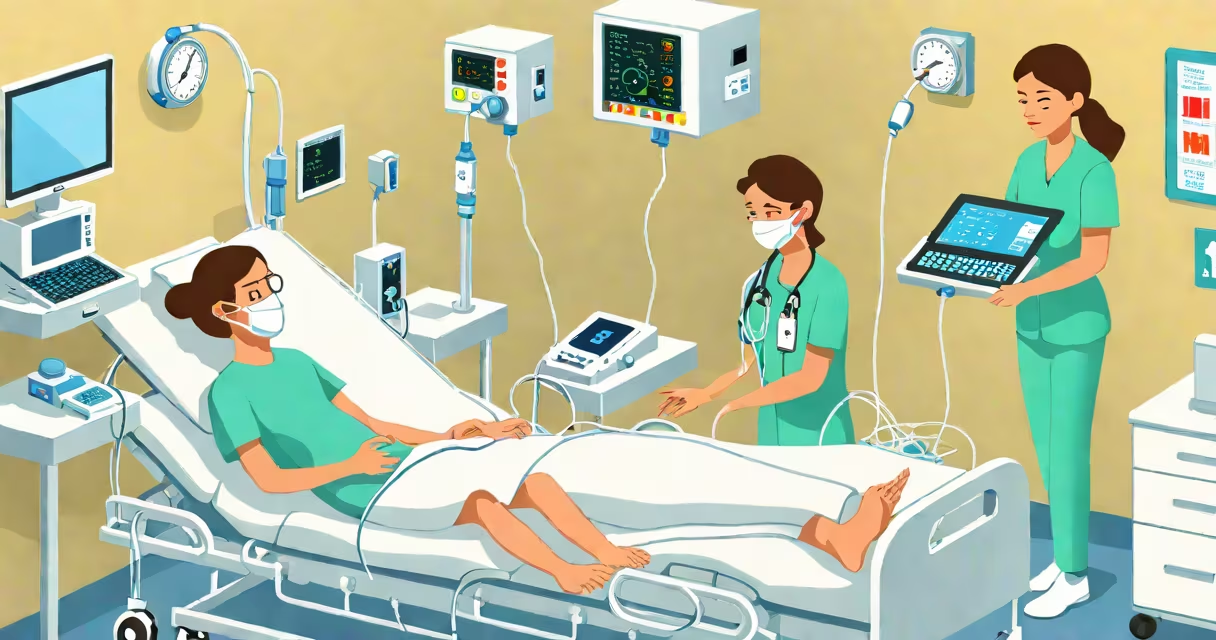
A PICU nurse provides specialized care to critically ill infants, children, and adolescents requiring intensive medical treatment and constant monitoring. These nurses manage complex life-support systems, administer high-risk medications, and respond rapidly to changes in patient condition. They work in pediatric intensive care units where patients often face severe trauma, congenital defects, or acute illnesses.
PICU nurses assess patients every few minutes, track important signs like blood pressure, oxygen saturation, and heart rate, and adjust ventilators, IV drips, and infusion pumps accordingly. They interpret data from monitors and alarms, recognizing subtle shifts that signal deterioration. A single missed change in a child's respiratory rate or blood pressure can lead to rapid decline, so vigilance is essential.
These nurses collaborate closely with physicians, respiratory therapists, pharmacists, and social workers. They document treatments, communicate updates during handoffs, and help families understand diagnoses and procedures. Their role extends beyond physical care-they offer emotional support during emergencies and help parents cope with uncertainty.
How PICU Nursing Works
Each shift begins with a structured handoff between teams. The incoming nurse reviews the patient's chart, current medications, recent lab results, and clinical goals. Important signs are checked every 15 to 60 minutes depending on stability. For unstable patients, checks may occur every five minutes.
Interventions include managing ventilators, administering vasoactive drugs (like epinephrine or norepinephrine), inserting central lines, and performing emergency procedures such as intubation or chest tube insertion under physician direction. Nurses also monitor for complications like sepsis, organ failure, or neurological changes.
For example, a 6-month-old infant admitted with severe pneumonia may require mechanical ventilation. The PICU nurse adjusts ventilator settings based on arterial blood gas results, ensures proper sedation levels, prevents ventilator-associated pneumonia through oral care and positioning, and watches for air leaks or pneumothorax. They also coordinate with nutritionists to deliver enteral feeding via a feeding tube while maintaining fluid balance.
Types of PICU Nurses and Specializations
PICU nurses specialize in different patient populations based on age and condition. The most common divisions are:
| Type | Age Range | Common Conditions | Unique Skills |
|---|---|---|---|
| Neonatal ICU (NICU) | Newborns to 28 days | Preterm birth, respiratory distress syndrome, congenital heart disease | Managing immature organs, phototherapy, neonatal pain assessment |
| Pediatric ICU (PICU) | 1 month to 18 years | Severe infections, trauma, post-op cardiac surgery | Child development awareness, family-centered communication |
| Adolescent/Young Adult ICU | 13-18 years | Psychiatric emergencies, substance overdose, complex chronic illness | Developmental psychology, mental health crisis response |
NICU nurses often care for babies born at 24 weeks gestation, weighing less than 1 pound. These infants have underdeveloped lungs and fragile circulatory systems. Nurses use high-frequency oscillatory ventilation and administer surfactant therapy to improve lung function. They also perform daily assessments using the Neonatal Intensive Care Unit Pain Scale (NICU-PS) to ensure comfort during procedures.
Where and Why PICU Nurses Are Used
PICUs exist in children's hospitals, academic medical centers, and large community hospitals with pediatric specialties. According to the American Association of Critical-Care Nurses (AACN), about 60% of PICUs are located in facilities accredited by the Children's Hospital Association. These units handle 20-30% of all pediatric hospital admissions annually.
Patients enter the PICU due to acute crises: septic shock, status epilepticus, severe asthma attacks, or post-surgical recovery from complex procedures like heart transplants. A 12-year-old with diabetic ketoacidosis may arrive in a coma. The PICU nurse initiates insulin infusions, corrects electrolyte imbalances, and monitors for cerebral edema. They also prevent secondary injuries like hypoglycemia or seizures during recovery.
One non-obvious fact: PICU nurses frequently perform "silent rounds" during night shifts. They walk through rooms without turning on lights, observing breathing patterns, skin color, and machine alerts. This allows them to detect early signs of instability before alarms trigger. A study published in *Pediatric Critical Care Medicine* found that silent rounds reduced code blue events by 18% in one children's hospital over 12 months.
Common Misconceptions and Confusions
PICU nurses are not doctors. They do not diagnose or prescribe independently. However, they make real-time decisions within their scope. For example, if a child's blood pressure drops during a procedure, the nurse can initiate fluid boluses or adjust vasopressor doses per protocol-without waiting for a physician.
They are also not simply "nurses who work with kids." Pediatric critical care requires advanced training. Most PICU nurses hold a bachelor's degree in nursing, pass the CCRN (Critical Care Registered Nurse) exam, and complete 1,750 hours of direct patient care in critical care settings. Some pursue certification in pediatric advanced life support (PALS) or pediatric echocardiography.
Another misconception: PICU nurses don't spend all their time at bedsides. They also manage multiple patients simultaneously, delegate tasks to certified nursing assistants, and attend multidisciplinary team meetings. During a mass casualty event, they triage patients, prioritize interventions, and coordinate with emergency departments.
Firsthand Experience: A Day in the Life
In my first year as a PICU nurse at a Level I children's hospital, I cared for a 4-year-old boy recovering from a near-drowning incident. He arrived with low oxygen saturation and pulmonary edema. Over 48 hours, I adjusted his ventilator settings, managed diuretic infusions, and monitored for acute kidney injury. I documented every change in his Glasgow Coma Scale score and coordinated with the neurology team when he developed seizures.
At 2 a.m., his heart rate spiked to 180 beats per minute. I recognized this as supraventricular tachycardia. I administered adenosine per standing orders, stabilized him within six minutes, and notified the cardiologist. That moment reminded me that precision, speed, and calm under pressure define the role.
After discharge, his mother sent a handwritten note: "You saved our son's breath." That was not just gratitude-it was proof of impact. Every decision, every check, every medication dose mattered.
Related Roles and Pathways
Both roles demand advanced education and certification. But unlike PICU nursing, which emphasizes immediate patient stabilization, biotech nursing leans toward long-term therapeutic innovation.
Understanding what a PICU nurse does reveals a profession rooted in science, compassion, and precision. These professionals are not just caregivers-they are frontline responders in the fight for children's lives.