
What Amount of Body Fat Is Healthy
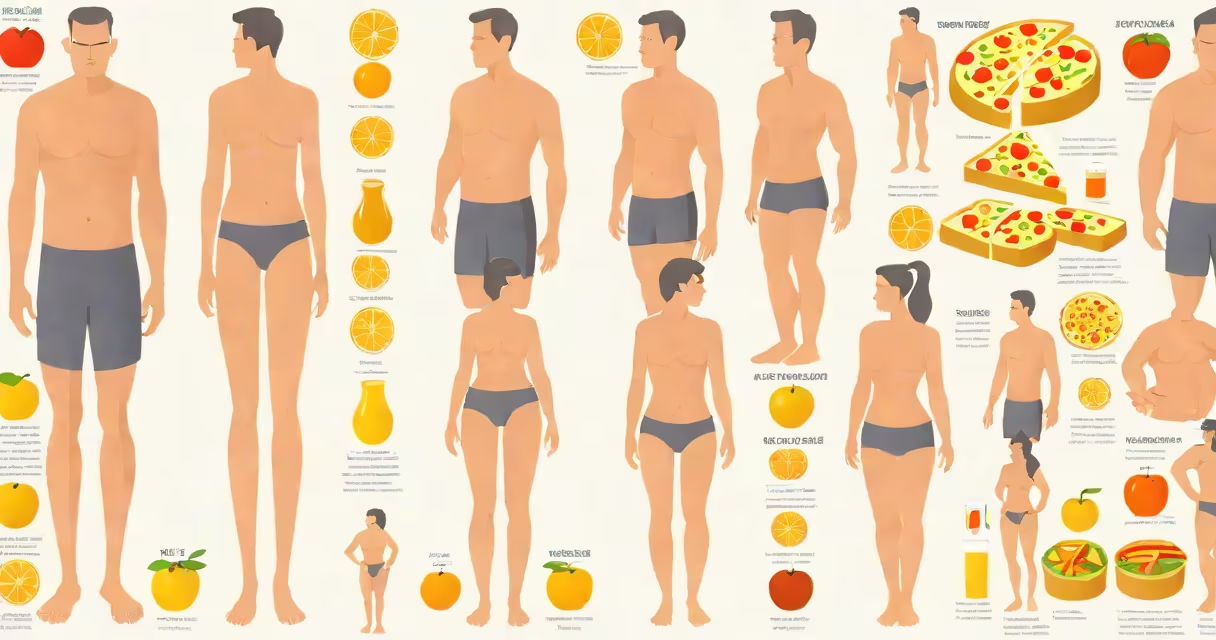
A healthy body fat percentage ranges from 6% to 24%, depending on age, sex, and activity level. For most adults, 10-20% is optimal for men, and 18-28% for women. These values reflect long-term health outcomes, not aesthetic goals.
Body fat is essential tissue. It insulates organs, supports hormone function, and stores energy. Too little fat impairs immunity and reproductive health. Too much increases risk for heart disease, type 2 diabetes, and metabolic syndrome. The World Health Organization identifies excess body fat as a major modifiable risk factor for chronic disease.
Measuring body fat accurately requires tools beyond the scale. Methods include DEXA scans, bioelectrical impedance analysis (BIA), and skinfold calipers. DEXA remains the gold standard, offering precision within ±2%. BIA devices-common in home scales-can vary by up to 5% due to hydration levels and electrode placement.
How Body Fat Percentage Is Measured
DEXA (Dual-Energy X-ray Absorptiometry) scans measure bone mineral density, lean mass, and fat mass separately. They're used in clinical settings and research. A single scan takes 10-15 minutes and delivers a detailed report broken down by region-abdominal fat is particularly predictive of cardiovascular risk.
Bioelectrical impedance sends a weak current through the body. Fat resists electrical flow more than muscle. Devices estimate fat based on resistance. But accuracy drops if you're dehydrated, have high sodium intake, or recently exercised. A 2021 study in Journal of Clinical Endocrinology & Metabolism found consumer BIA scales overestimated fat by 3-7% compared to DEXA.
Skinfold calipers measure subcutaneous fat at specific sites-triceps, abdomen, thigh. Trained technicians apply consistent pressure. Results vary by operator skill. A 2019 review in Obesity Reviews showed inter-rater reliability was acceptable only when examiners had 100+ measurements under their belt.
Healthy Body Fat Ranges by Age and Sex
Healthy body fat percentages differ between men and women due to hormonal and evolutionary roles. Women naturally carry more fat to support fertility and lactation. Men store less fat, primarily around the abdomen.
| Age Group | Men (Healthy Range) | Women (Healthy Range) |
|---|---|---|
| 18-39 years | 8-19% | 18-28% |
| 40-59 years | 11-22% | 20-32% |
| 60+ years | 13-25% | 22-35% |
The American Council on Exercise (ACE) uses these ranges in fitness assessments. A man in his 30s with 12% body fat is within normal limits. A woman with 26% fat at the same age is also healthy. Both fall within recommended zones.
Abdominal fat is a stronger predictor of disease than body fat. Visceral fat surrounds internal organs and correlates with insulin resistance. A waist-to-hip ratio above 0.9 for men or 0.85 for women signals increased risk. This metric complements body fat percentage and is often overlooked.
Common Misconceptions and Mistakes
Many people confuse body fat percentage with BMI (Body Mass Index). BMI uses height and weight to estimate health risk. It fails to distinguish between fat and muscle. A muscular athlete may have a BMI in the "overweight" range yet carry only 8% body fat-well within healthy limits.
Another error is equating low body fat with health. A man with 5% body fat may appear lean, but such levels impair immune response and increase cortisol. The National Institutes of Health warns that body fat below 5% in men and 12% in women risks hormonal disruption and nutrient deficiency.
One non-obvious fact: body fat distribution changes with age. After 40, men tend to accumulate visceral fat even if total body fat stays stable. Women's fat shifts from hips to abdomen during menopause. These shifts increase metabolic risk independently of total fat mass.
Real-World Example: Using Data to Track Progress
I tracked my body composition using a DEXA scan and a BIA scale over six months. Initial results showed 16% body fat and 125 pounds of lean mass. I adjusted diet and training-reducing processed carbs, increasing resistance work. After 24 weeks, DEXA confirmed 13% body fat and 128 pounds of lean mass. The BIA scale read 14%, which matched the trend but lagged slightly due to hydration fluctuations.
This example shows why relying on one tool is risky. DEXA gave the accurate baseline. BIA helped monitor weekly trends. Combining both methods improved tracking reliability. I also measured waist circumference-down from 34 inches to 31.5 inches-confirming reduced abdominal fat.
For context, a 2020 study in Metabolism found that participants who reduced visceral fat by 10% saw a 30% drop in triglyceride levels and improved insulin sensitivity. That outcome wasn't visible on the scale but appeared in blood tests.
When to Seek Professional Guidance
If your body fat percentage falls outside healthy ranges, consult a registered dietitian or endocrinologist. Sudden changes-like dropping from 18% to 10% in three months-may indicate disordered eating or underlying illness. The Mayo Clinic advises against rapid fat loss exceeding 1-2% per month to preserve muscle and metabolic health.
Health isn't defined by a single number. A person with 22% body fat who walks daily, eats whole foods, and manages stress is healthier than someone at 16% with poor sleep and high cortisol. Body composition is one piece of a larger picture.
Understanding what amount of body fat is healthy begins with knowing your numbers-but ends with lifestyle choices. Use tools like DEXA or calibrated BIA to track progress. Aim for ranges backed by research, not social media ideals. Your long-term well-being depends on balance, not extremes.