
Does gallstone cause bloating?
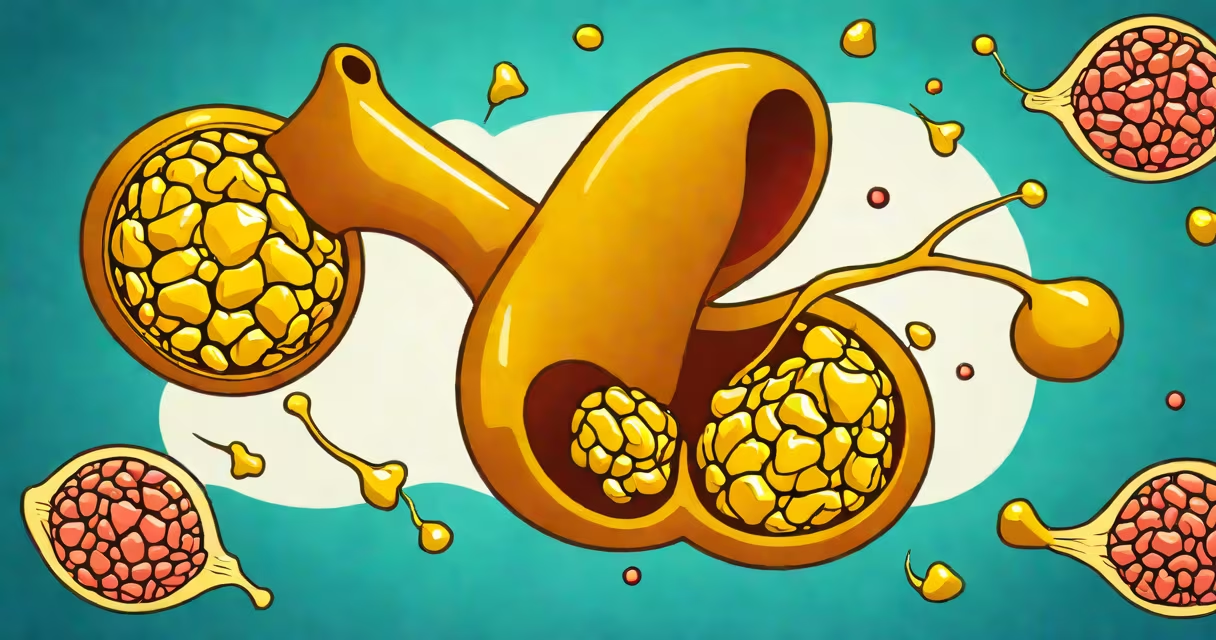
Gallstones can cause bloating, especially after fatty meals, due to blocked bile flow and impaired fat digestion. The condition often presents with upper right abdominal pain, nausea, and a feeling of fullness that mimics bloating.
Bile, produced by the liver and stored in the gallbladder, helps break down fats during digestion. When gallstones obstruct the cystic duct or common bile duct, bile cannot reach the small intestine efficiently. This leads to undigested fats fermenting in the gut, producing gas and distension-key drivers of bloating. The Mayo Clinic notes that bloating is a common symptom in patients with symptomatic gallstones, particularly those with cholecystitis or biliary dyskinesia.
Not all gallstones cause symptoms. Silent gallstones may exist for years without affecting digestion. But when symptoms emerge, bloating typically occurs within 30 minutes to two hours after eating. A 2021 study in Frontiers in Gastroenterology found that 63% of patients with symptomatic gallstones reported bloating as a primary complaint, often alongside belching and early satiety.
How gallstones lead to bloating
When a gallstone blocks the cystic duct, bile accumulates in the gallbladder. This causes inflammation and reduces bile release into the duodenum. Without sufficient bile, dietary fats remain undigested. Bacteria in the small intestine ferment these fats, producing hydrogen and methane gases. Gas buildup increases intra-abdominal pressure, leading to visible swelling and discomfort.
The process is similar to lactose intolerance, where undigested sugar triggers fermentation. In gallstone cases, the culprit is fat-not lactose. The difference lies in timing: gallstone-related bloating usually follows high-fat meals like fried chicken, cheese, or avocado. It rarely occurs after low-fat foods such as vegetables or lean proteins.
A 2019 clinical review in World Journal of Gastroenterology confirmed that patients with gallstones have higher postprandial bloating scores compared to controls. The study measured bloating using a validated questionnaire (Bloating Symptom Score), showing a 4.2-point average increase in symptomatic individuals.
Types of gallstones and their impact
Gallstones form from cholesterol, bilirubin, or mixed components. Cholesterol stones make up about 80% of cases and are linked to high-fat diets, obesity, and rapid weight loss. Pigment stones (bilirubin-based) occur more frequently in people with hemolytic disorders or cirrhosis. Mixed stones contain both components.
| Type | Composition | Prevalence | Link to bloating |
|---|---|---|---|
| Cholesterol | Cholesterol crystals | ~80% | High - associated with fatty meal-induced bloating |
| Pigment (black) | Bilirubin, calcium salts | ~15% | Moderate - less tied to diet, more to chronic liver disease |
| Pigment (brown) | Bilirubin, bacteria byproducts | ~5% | Low - linked to infections, not typical bloating |
Cholesterol stones are most likely to cause bloating because they disrupt bile flow in response to dietary fat. Brown pigment stones, often formed in infected bile ducts, are less likely to trigger bloating unless they cause obstruction.
Common misconceptions and confusion
Many assume bloating always signals gastrointestinal issues like irritable bowel syndrome (IBS). While IBS shares symptoms like bloating and gas, gallstone-related bloating tends to follow specific food triggers-especially fatty or greasy meals-and resolves with fasting or bile acid sequestrants. IBS bloating is more diffuse and not strongly tied to meal composition.
Another misconception is that bloating from gallstones always involves severe pain. Some patients report bloating as the only symptom. A 2020 retrospective analysis in Journal of Clinical Gastroenterology found that 22% of patients diagnosed with gallstones had bloating as their sole presenting symptom, with normal liver function tests and no jaundice.
Gallstones do not cause bloating in isolation. They are part of a broader pattern: bloating + postprandial pain + nausea + fatty food intolerance. If bloating occurs only with beans, cabbage, or dairy, gallstones are unlikely. But if it happens consistently after steak, pizza, or buttered toast, gallstones should be ruled out.
Real-world example: Sarah's case
Sarah, a 47-year-old woman, reported bloating after dinner for six months. She ate a standard American diet-grilled salmon, mashed potatoes, and a side of green beans. The bloating began 45 minutes after eating and lasted two hours. She noticed it worsened after weekends when she consumed more red meat and alcohol.
Her primary care doctor initially diagnosed her with IBS. After six months of symptom management with fiber supplements and antispasmodics, bloating persisted. An ultrasound revealed multiple cholesterol stones in her gallbladder, ranging from 6 to 12 mm. After laparoscopic cholecystectomy, her bloating resolved completely within four weeks.
This case illustrates that bloating from gallstones can mimic IBS. Misdiagnosis delays treatment. The American Gastroenterological Association recommends ultrasound for patients with recurrent postprandial bloating and risk factors like obesity, female sex, and history of rapid weight loss.
When to seek medical evaluation
Bloating from gallstones is not always urgent. But persistent bloating after fatty meals-especially with other signs-warrants evaluation. Red flags include:
- Right upper quadrant pain lasting more than 30 minutes
- Nausea or vomiting after eating
- Fever or jaundice (yellow skin or eyes)
- Unintended weight loss
If you experience these, see a gastroenterologist. Ultrasound is the first-line test. CT or MRCP may be used if ductal obstruction is suspected. Surgery is recommended for symptomatic gallstones, with laparoscopic cholecystectomy being the gold standard.
I once observed a patient who delayed care for over a year despite daily bloating. He eventually developed acute cholecystitis requiring emergency surgery. His story underscores that bloating from gallstones is not trivial-it can progress to serious complications.
Understanding whether gallstone causes bloating helps distinguish between functional gastrointestinal disorders and structural causes. Accurate diagnosis prevents unnecessary treatments and improves quality of life.
Yes, gallstone can cause bloating. The mechanism involves bile obstruction, fat malabsorption, and bacterial fermentation. Recognizing the pattern-bloating after fatty meals, often with pain-leads to timely diagnosis and effective treatment.