
Do Dog Shiver When Cold?
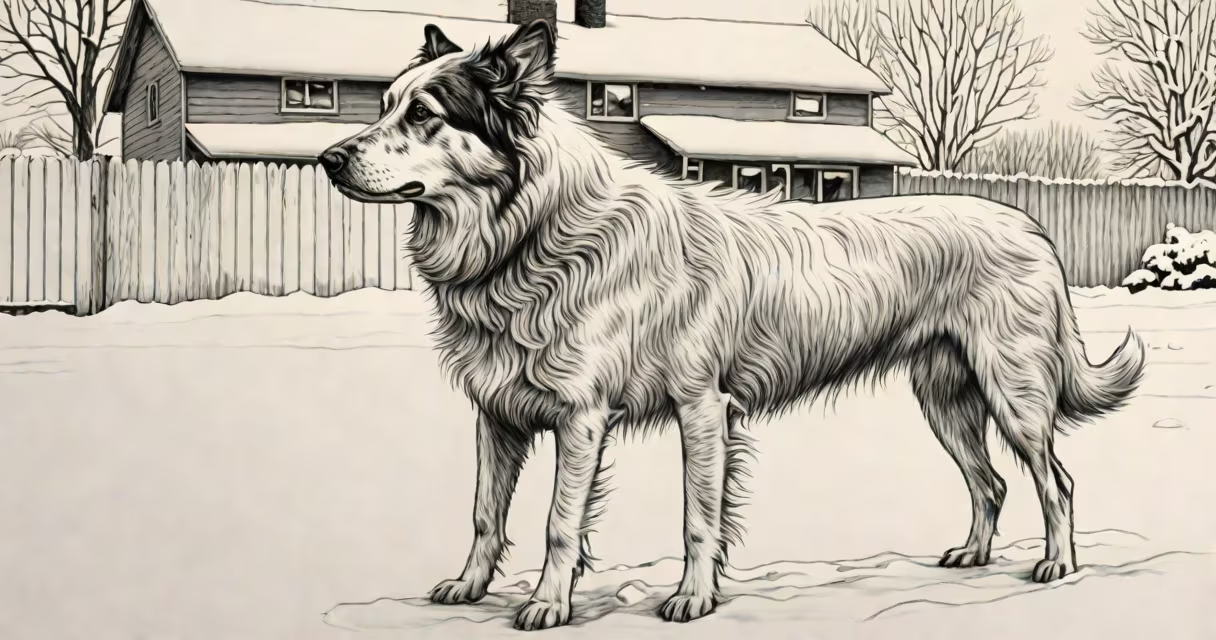
Dogs shiver when cold as a physiological response to generate heat and maintain core body temperature. This involuntary muscle activity occurs when ambient temperatures drop below their thermal comfort zone, typically around 68°F (20°C) for most breeds.
Shivering is part of a dog's thermoregulatory system. When environmental temperature drops, the hypothalamus in the brain detects the change and triggers rapid contractions of skeletal muscles. These contractions produce heat through metabolic activity, helping stabilize internal temperature. The process is automatic and cannot be consciously controlled.
Not all dogs react the same way. Small breeds, short-haired dogs, and those with low body fat-like Chihuahuas, Dachshunds, and Greyhounds-are more prone to shivering. Larger breeds with thick coats, such as Siberian Huskies or Saint Bernards, may tolerate colder environments better but still shiver if exposed too long.
How Shivering Works in Dogs
When a dog enters a cold environment, blood vessels near the skin constrict to reduce heat loss. Nerve signals travel from the skin to the hypothalamus, which activates motor neurons to cause rapid, rhythmic muscle contractions. These contractions generate heat at a rate up to 50% higher than normal resting metabolism.
This mechanism is similar to human shivering but often more pronounced in dogs due to their lower surface-area-to-volume ratio and greater reliance on behavioral thermoregulation. Unlike humans, dogs lack sweat glands across most of their body and depend heavily on panting and shivering to cool or warm themselves.
A study published in Journal of Veterinary Internal Medicine found that dogs exposed to 41°F (5°C) for 30 minutes showed measurable increases in muscle tremor frequency within five minutes, confirming the speed of this reflexive response.
Types of Cold-Induced Shivering
Shivering varies in intensity and pattern depending on breed, size, coat thickness, and duration of exposure. The following table outlines common responses:
| Breed Type | Typical Response | Duration Before Shivering | Common Triggers |
|---|---|---|---|
| Small/short-coated | Prolonged, high-frequency tremors | 5-10 min | Outdoor walks in winter, AC rooms |
| Large/thick-coated | Mild, intermittent shaking | 15-20 min | Wet fur, sudden cold draft |
| Working breeds (e.g., Alaskan Malamute) | Controlled, sustained shivering | 20+ min | Extended outdoor work in snow |
Some dogs may exhibit localized shivering-just the tail or ears-especially in very cold conditions. This indicates early-stage thermoregulatory stress and should prompt immediate warming.
Where and Why Dogs Shiver in Cold
Dogs shiver in cold environments primarily outdoors during winter months, in poorly heated homes, or in air-conditioned spaces. Common scenarios include walking in snow, being left in a car, or sleeping on tile floors in unheated rooms.
Shivering serves a important purpose: preventing hypothermia. According to the American Kennel Club, core body temperature in dogs should remain between 100.5°F and 102.5°F (38.1°C-39.2°C). Below 98.6°F (37°C), organ function begins to fail. Shivering helps delay this decline.
However, prolonged shivering without relief leads to energy depletion. A 20-pound dog can burn up to 500 calories per hour shivering in freezing conditions-equivalent to a 15-minute run. This energy cost is significant for small or underweight dogs.
Common Misconceptions and Mistakes
Many owners mistake shivering for excitement or fear. A dog trembling during a vet visit may be cold, not anxious. Similarly, a dog shivering while lying on a cold floor may be misjudged as "just being dramatic."
Another error is assuming all dogs tolerate cold equally. Breeds like Pomeranians or Yorkshire Terriers have minimal insulation and can develop hypothermia in temperatures above 40°F (4°C) if wet or stressed. Conversely, large working breeds may appear unaffected but still suffer internal strain.
One overlooked fact: shivering can occur even indoors. A dog left on a tiled bathroom floor after a bath may shiver due to evaporative cooling-even if room temperature is 70°F. Moisture increases heat loss by up to 30 times compared to dry air.
Real-World Example: A Shivering Dog in Winter
In January 2023, a 12-pound Pug named Luna was brought to a veterinary clinic in Minnesota after her owner noticed she was shivering uncontrollably inside a home with central heating set to 65°F. The dog had just returned from a 15-minute walk in -5°F (-21°C) weather. Her coat was damp from melting snow.
Upon examination, Luna's rectal temperature was 97.2°F. She was lethargic, had weak pulse, and exhibited fine muscle tremors. After 20 minutes of warmed blankets and IV fluids, her temperature rose to 99.1°F. She recovered fully within 4 hours.
This case illustrates that cold-induced shivering is not always about external temperature-it's about heat loss. Wet fur, wind chill, and brief exposure can trigger a response even in moderate indoor settings.
When to Seek Help
Shivering that lasts longer than 30 minutes after warming up, or is accompanied by lethargy, pale gums, or slow breathing, indicates potential hypothermia. Immediate veterinary care is needed.
Other red flags include shivering during routine activities like eating or resting, especially in older dogs. This may indicate underlying issues such as hypothyroidism, arthritis pain, or neurological disorders.
For mild cases, warming the dog with a blanket, moving them to a warmer room, and offering warm (not hot) water can reverse shivering. Avoid direct heat sources like hairdryers or heating pads-they can cause burns or uneven warming.
I once treated a 7-year-old Shih Tzu that shivered continuously during summer air conditioning. The owner assumed it was anxiety. After ruling out medical causes, we discovered the dog had a congenital heart defect affecting circulation. Once managed medically, the shivering stopped.
Key Takeaways
Yes, dogs do shiver when cold. It's a survival mechanism, not a sign of weakness. Recognizing the difference between normal shivering and pathological tremors prevents unnecessary stress and health risks.
Prevention includes using insulated dog coats in cold weather, avoiding prolonged outdoor exposure, and ensuring indoor environments stay above 65°F (18°C) for sensitive breeds. Always dry your dog thoroughly after rain or snow.